Properties in Costa Rica Blog

Monthly Archives: February 2026


Beach Condos in Costa Rica vs Beach Houses: Which Is Better For Your Budget in 2026?

Beach Condos in Costa Rica vs Beach Houses: Which Is Better For Your Budget in 2026?

February 24, 2026

Properties in Costa Rica

Costa Rica’s real estate market is on fire right now. If you’ve been tracking the numbers, you’ll know that property prices across the country jumped by about 7% in 2025 alone. As we move through 2026, the question isn’t just if you should buy, but what you should buy. For most international buyers, the choice boils down to a classic showdown: the sleek, low-maintenance beach condo versus the private, expansive beach house.

But here’s the kicker: the “cheaper” option isn’t always what it seems. While your gut might tell you a condo is the budget-friendly route, the math in 2026 tells a much more nuanced story. Whether you’re a retiree looking for a sunset view or an investor hunting for a high-yield beachfront condo in Costa Rica, you need to look past the sticker price.

Let’s break down the real costs, the hidden fees, and the lifestyle trade-offs so you can decide which path fits your wallet and your dreams.

The Price Tag Reality Check

Beach condos in Costa Rica offer the most accessible entry point for new buyers. If you’re looking to get your foot in the door with a budget of $100,000 to $300,000, condos are your best bet. They’re the “starter kit” for Pura Vida living. However, don’t let that lower total price fool you. On a square-meter basis, condos actually cost about 70% more than detached houses. In 2026, we’re seeing costa rica beach condos averaging around $2,600 per square meter. Talk about a premium for convenience!

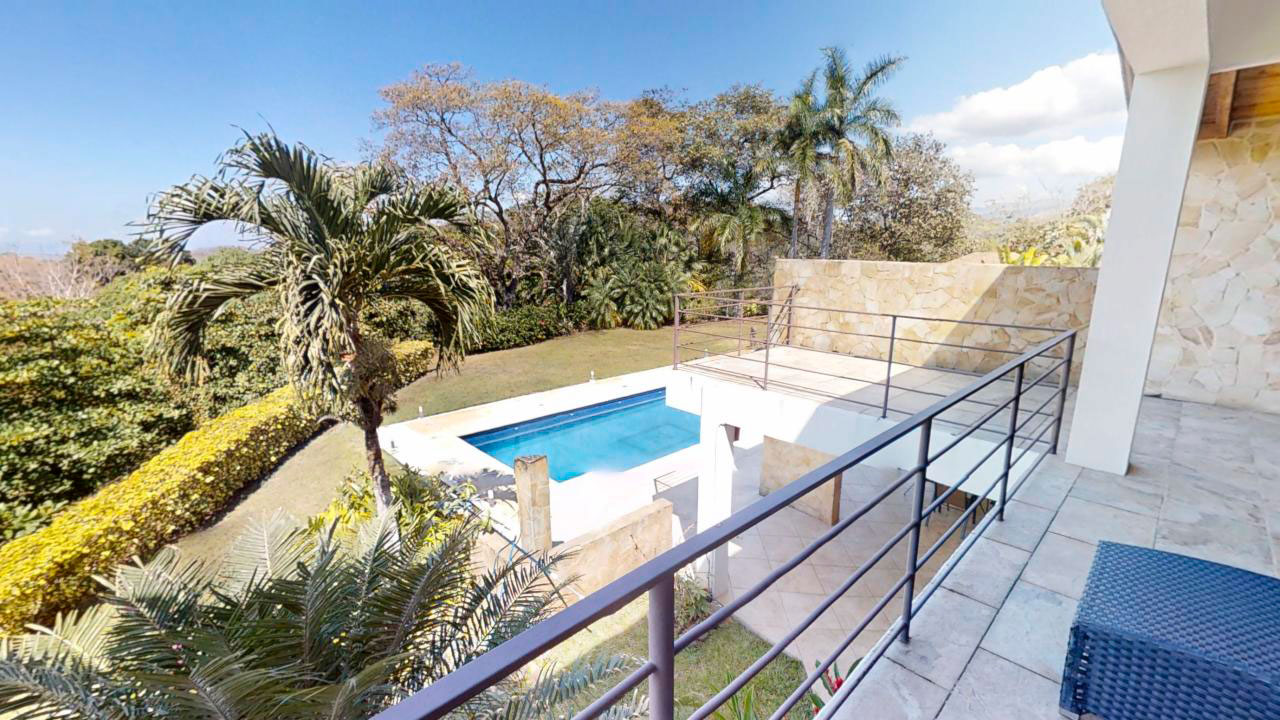
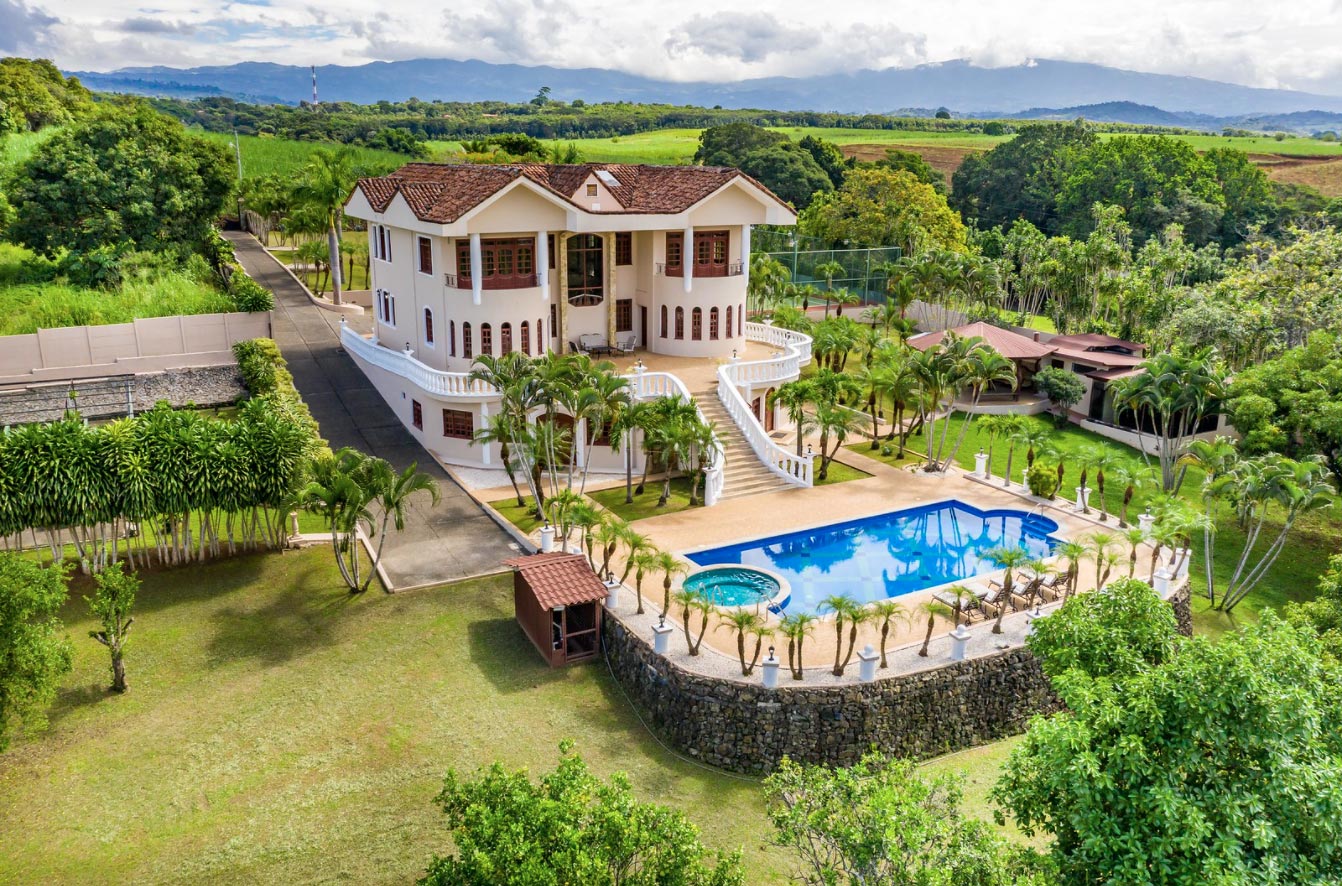
On the flip side, beach houses in costa rica generally start at $400,000 and can easily soar past the $1 million mark in prime spots like Tamarindo or Manuel Antonio. While the total check you write is larger, you’re usually getting way more “dirt” for your dollar. You aren’t just buying a ceiling and four walls; you’re buying the land underneath them. In a world where land is the only thing they aren’t making more of, that’s a huge win for long-term appreciation.

The “Hidden” Monthly Costs: HOA vs. DIY

Monthly carrying costs can make or break your investment faster than a tropical storm. This is where the budget conversation gets real. When you buy a condo, you’re signing up for an HOA (Homeowners Association) fee. In 2026, these range from $200 to $800 a month. It sounds like a lot: and it is! But that fee covers 24/7 security, pool maintenance, landscaping, and often your water and insurance. It’s predictable. You know exactly what’s leaving your bank account every month.

Houses play by different rules. There’s no HOA board telling you what color to paint your door, but there’s also no one helping you pay for the roof leak. Maintenance for a beach house usually eats up 3% to 5% of the property’s value annually. Between the salt air corroding your AC units and the tropical rain testing your gutters, you’ll be spending $500 to $2,000 a month on “keeping things running.”

The coolest part about the house? You’re in control. You decide when to fix things and who to hire. The downside? If the pool turns green while you’re back in the States, it’s on you to fix it. If you’re looking for a “lock-and-leave” lifestyle, the condo wins every time.

Security and the “Peace of Mind” Factor

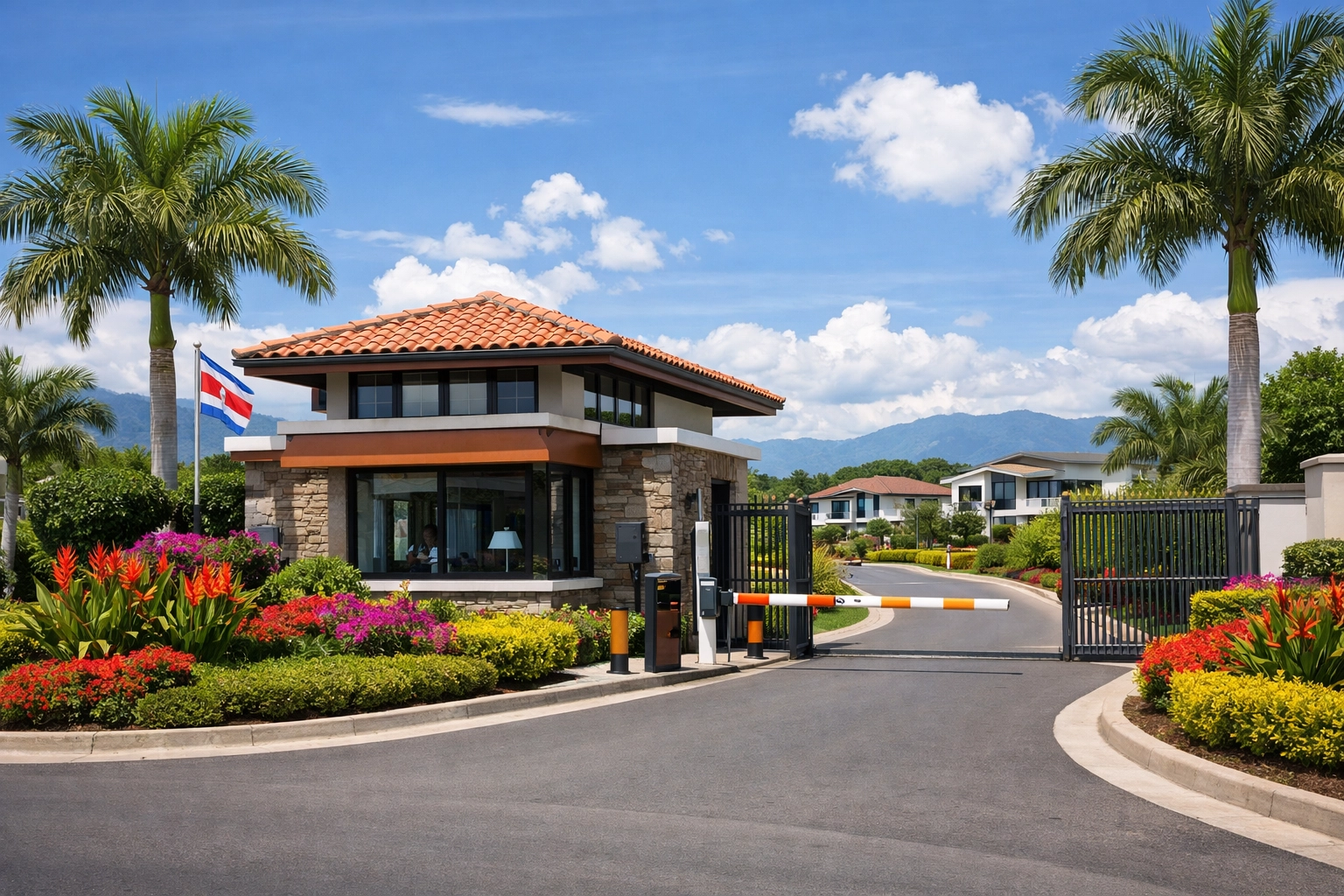
Security isn’t just a luxury; it’s a budget line item. For many of our clients at Properties in Costa Rica, especially retirees, safety is the top priority. Most beach condos in Costa Rica are located within gated complexes with guards and cameras. This security is “baked into” your HOA fee. It’s incredibly efficient and gives you the freedom to travel for months at a time without worrying about your TV going missing.

Beach houses require a bit more legwork. To get the same level of security, you might need to install your own alarm systems, cameras, or even hire a private caretaker. In popular areas where we operate, like Tamarindo and Uvita, many homeowners opt for a “monitored” security service, which adds another $50–$100 to the monthly budget. If you value total privacy and don’t want neighbors sharing your wall, a house is worth the extra effort. But if you want to be able to close the door and forget about the property for six months, the condo is the clear winner.

Rental Income Potential: Where’s the ROI?

Investors are currently seeing incredible returns in the 2026 rental market. Whether you choose a house or a condo, the short-term rental market (think Airbnb and VRBO) is booming. But the way you earn that money is super different.

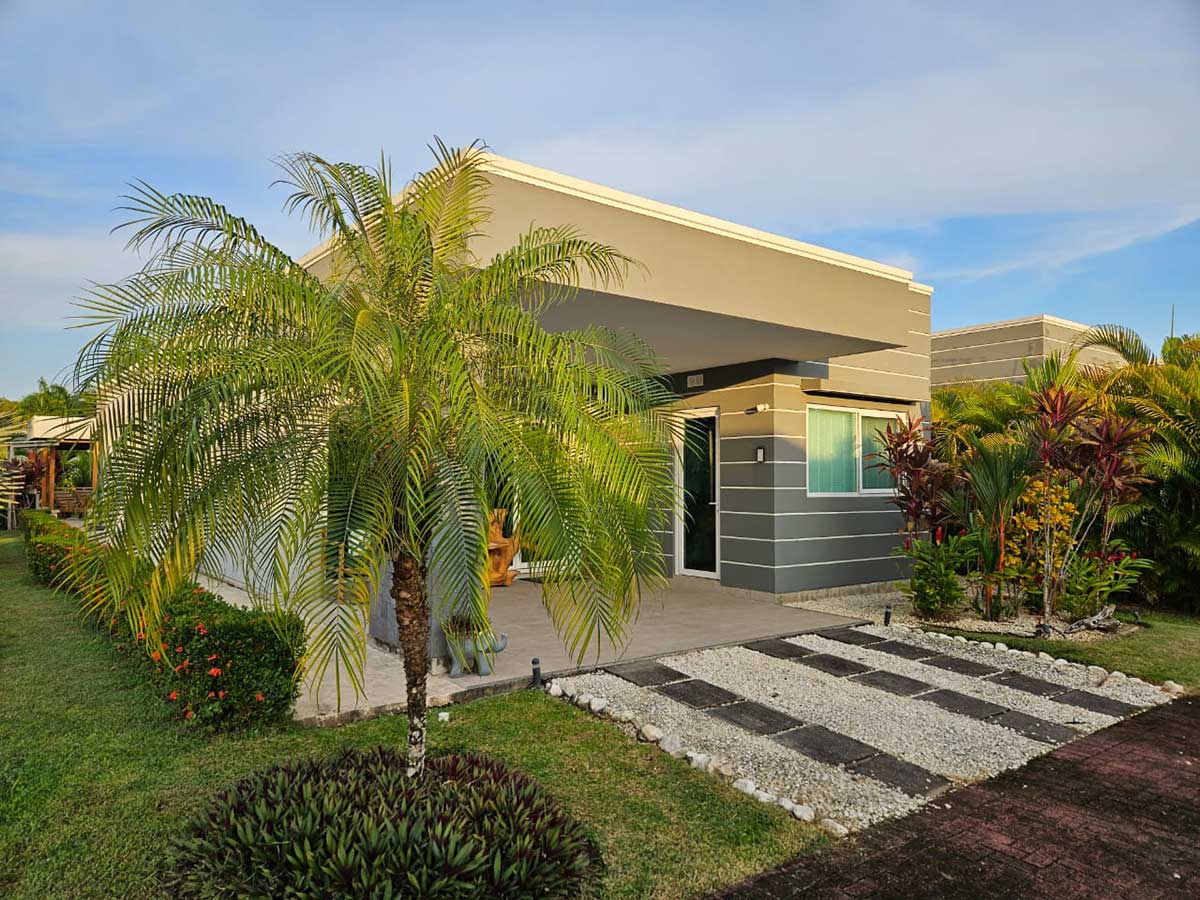
  • Condos: These are the workhorses of the rental market. They’re easy to market, easy to clean, and tourists love the amenities like shared pools and gym access. You can expect a steady rental income of $150–$400 per night, yielding an annual return of 4% to 7%.
  • Houses: If you want to crush it in the luxury market, houses are the way to go. A private villa with a pool in a place like Uvita can fetch $300 to $1,000+ per night. The ROI here is higher: often between 6% and 12%: because you’re offering something a condo can’t: total exclusivity.

If you’re curious about how to fund these types of investments, you might want to check out 3 ways you can finance your property. It’s not always about having the cash upfront!

Location Spotlight: Tamarindo vs. Uvita

Where you buy matters just as much as what you buy. At Properties in Costa Rica, we have offices in both Tamarindo and Uvita, and the markets couldn’t be more different.

Tamarindo is the king of the costa rica beach condos market. It’s high-energy, walkable, and packed with amenities. If you buy a condo here, it’ll likely stay booked all year round. It’s a “safe” bet for investors who want liquidity.

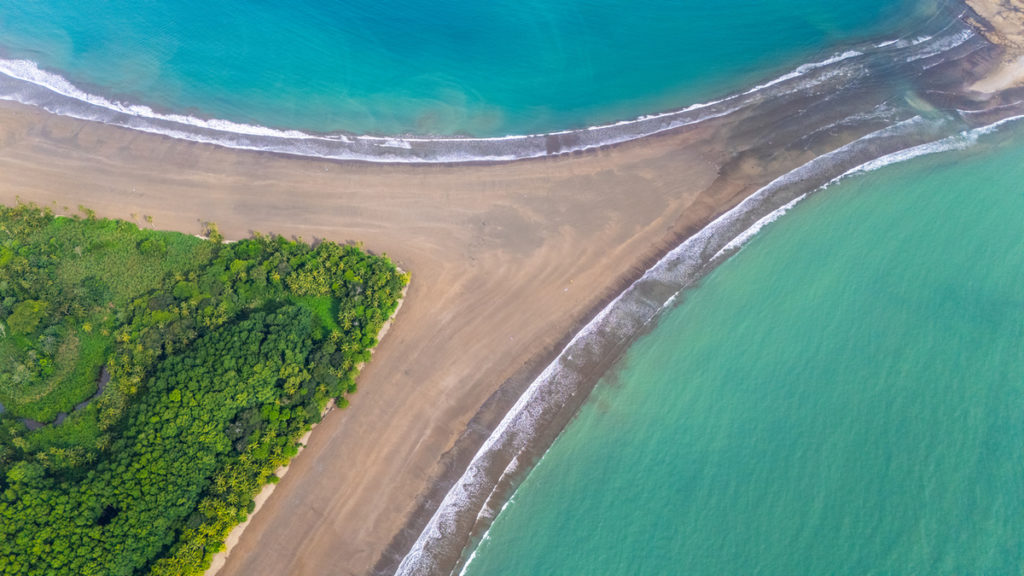
Uvita, on the other hand, is the land of the jungle-view beach house. People come here for the “Whale’s Tail” and the rugged beauty of the South Pacific. You’ll find more sprawling estates and eco-friendly homes here. If you’re looking for a luxury estate with space to breathe, Uvita is calling your name.

2026 Comparison Table: At a Glance

FeatureBeach CondosBeach Houses
Initial Budget$100K – $300K$400K – $1M+
Cost per Sq. MeterHigher (~$2,600)Lower
MaintenanceIncluded in HOA3-5% of value annually
Security24/7 Gated (Included)Private (Extra cost)
Rental Yield4% – 7%6% – 12%
ManagementHands-offHands-on

Which One Should You Choose?

The “power move” for many of our clients is starting with a condo. If you’re new to the Costa Rican market, buying a condo lets you test the waters without the stress of managing a full construction or a complex maintenance schedule. You can learn the local laws, figure out which beach you actually love, and build equity. Many people hold a condo for 3–5 years and then “level up” to a house once they’ve built a local network of trusted contractors and property managers.

However, if you have the capital now and you’re looking for a 10-year investment horizon, go for the house. The land appreciation in beachfront areas is simply unbeatable. Talk about a wealth builder!
Final Thoughts

Whether you go for a condo or a house, the most important step is having a team that knows the ground. At Properties in Costa Rica, we’ve been helping international buyers navigate these waters for years. We don’t just show you houses; we show you a lifestyle. From the bustling streets of Escazú to the quiet shores of the Caribe, we know every nook and cranny of this beautiful country.

Ready to start your search? Don’t wait for prices to climb another 7%. Contact us today and let’s find your perfect slice of paradise. Whether it’s a modern beachfront condo or a private jungle retreat, we’ve got the keys waiting for you.

Wait, what about financing? If you’re wondering how to make the budget work, don’t forget that there are investment strategies specifically tailored for the Costa Rican market. Your dream home is closer than you think!

Comments Off on Beach Condos in Costa Rica vs Beach Houses: Which Is Better For Your Budget in 2026?


Move to Costa Rica With the $150K Property Investment: A Friendly Guide to Investor Residency

Move to Costa Rica With the $150K Property Investment: A Friendly Guide to Investor Residency

February 9, 2026

Properties in Costa Rica

Ever dreamed of waking up to tropical breezes, sipping coffee with a view of misty mountains, and calling Costa Rica home? You’re not alone. Thousands of expats have made the move, and one of the most popular paths is through Costa Rica investor residency by buying property.

Here’s the exciting part: investing in real estate here doesn’t just get you a piece of paradise: it opens the door to legal residency, the freedom to run a business, and eventually, permanent residency or even citizenship. If you’ve been Googling “residency in Costa Rica by buying property” at 2 a.m., this guide is for you.

What Is Costa Rica Investor Residency?

Costa Rica’s Investor (Inversionista) Residency program is designed for people who want to make a meaningful financial investment in the country. It’s one of several residency categories, but it’s particularly attractive if you’re already planning to buy real estate here.

The program grants you temporary residency for two years, which you can renew as long as you maintain your investment. You can work remotely, run your own business, and even bring your family along. What you can’t do is earn a local salary from a Costa Rican employer: but for digital nomads, retirees, and entrepreneurs, that’s rarely a dealbreaker.

Modern Costa Rican home interior with tropical garden views for investor residency program

The Investment Requirement: What You Need to Know

Here’s where things get real: as of February 2026, the minimum investment requirement is USD $200,000. The threshold was previously $150,000, so if you’ve seen older articles or forum posts mentioning that amount, they’re outdated. Immigration rules do change, and this increase reflects Costa Rica’s growing real estate market and popularity among international investors.

Your $200,000 investment can take several forms:

  • Real estate (homes, condos, land, commercial property)
  • Shares in an operational Costa Rican corporation
  • Costa Rican stock market investments
  • A down payment on mortgaged property (if the down payment reaches $200,000)

Most people choose real estate because it’s tangible, can generate rental income, and gives you a place to actually live or vacation. Whether you’re eyeing a beachfront condo in Guanacaste, a mountain retreat in the Central Valley, or an ocean-view property, the investment counts toward your residency qualification.

The Golden Rule: Personal Name Ownership

Here’s a critical requirement that trips up some investors: your property must be registered in your personal name, not through a corporation.

Many Costa Rica properties are held in corporations (sociedades anónimas) for legitimate tax and administrative reasons. That’s totally fine for regular property ownership: but it doesn’t qualify for investor residency. The immigration authorities want to see your name on the property title, not a corporate entity.

If you’re buying property specifically for residency purposes, make sure your real estate attorney structures the purchase correctly from day one. Converting corporate-owned property to personal ownership later can be complicated and expensive.

What You Get: The Benefits Package

So what exactly does investor residency give you? Quite a bit, actually.

Temporary Residency for Two Years Your initial permit lasts two years and is renewable indefinitely as long as you maintain the $200,000 investment. You’ll get a Costa Rican cédula (ID card) that makes banking, renting vehicles, and daily life much smoother.

Work Freedom (With Limits) You can run your own business, work remotely for foreign companies, and generate income outside Costa Rica. What you can’t do is accept a salary from a Costa Rican employer. That requires a different type of work permit.

Bring Your Family Your spouse and dependent children can be included in your application. They’ll pay separate government fees (around USD $1,685 per dependent versus $2,815 for the main applicant), but they get the same residency benefits.

Healthcare Access You’ll enroll in Costa Rica’s social security system (Caja), which gives you access to the public healthcare system. Many expats also maintain private health insurance for faster access to specialists and private hospitals.

Annual Visit Requirement To maintain temporary investor residency, you only need to visit Costa Rica once per year for a minimum of one day. That’s it. You’re not required to live here full-time, which makes this program attractive for people splitting time between countries.

The Path Forward: Permanent Residency and Citizenship

Here’s where it gets even better. Investor residency isn’t just a temporary status: it’s a pathway to permanent residency and eventually citizenship if you want it.

Permanent Residency After Three Years After three consecutive years of temporary residency with a minimum of 180 days physical presence per year, you can apply for permanent residency. Permanent residency is valid for five years and renewable indefinitely. The annual visit requirement drops to just 72 hours per year.

Citizenship After Seven Years If you’ve maintained residency for seven years total, you can apply for Costa Rican citizenship through naturalization. The good news? Costa Rica allows dual citizenship, so you don’t have to give up your original passport.

To qualify for citizenship, you’ll need to demonstrate Spanish proficiency (both spoken and written) and pass a test on Costa Rican history and values. You’ll also need two character witnesses who are Costa Rican citizens. However, applicants over 65 years old are exempt from the language and history requirements: a nice bonus for retirees.

For citizenship, you’ll need to spend over 183 days annually in Costa Rica, so it’s a real commitment.

Required Documents: Getting Your Paperwork in Order

Immigration applications involve paperwork: there’s no way around it. Here’s what you’ll need:

Clean Criminal Record You’ll need a police clearance certificate from your home country (and any country where you’ve lived for more than two years as an adult). These documents must be recent, properly apostilled, and officially translated into Spanish.

Birth Certificate An official birth certificate, apostilled and translated into Spanish.

Consular Registration You’ll register with your country’s consulate in Costa Rica as part of the process.

Proof of Investment Property deeds, bank statements, and documentation proving your $200,000 investment.

All foreign documents need to be apostilled (or legalized if your country doesn’t participate in the Hague Apostille Convention) and officially translated by a certified translator in Costa Rica. This process takes time, so start early.

Processing times typically run 6 to 12 months from application to approval. Government fees total around $2,815 for the main applicant and $1,685 for each dependent.

Maintaining Your Investment and Registration

Two critical ongoing requirements:

Keep Your Investment Active You must maintain the $200,000 investment throughout your temporary residency period. If you sell the property before obtaining permanent residency, you risk losing your residency status.

Stay Current With Social Security You’ll need to maintain your Caja (social security) registration and make monthly payments. These payments give you healthcare access and keep your residency in good standing.

Finding Your Qualifying Property

Ready to start your property search? Costa Rica offers incredible diversity: from beachfront homes to Central Valley estates, from modern condos near amenities to mountain retreats surrounded by nature.

At Properties in Costa Rica, we specialize in helping international buyers find properties that meet their residency goals. We can connect you with properties across the country, whether you’re drawn to the Pacific coast, Caribbean side, or the temperate Central Valley around San José.

We also work with experienced immigration attorneys who can guide you through the residency application process and make sure your property purchase is structured correctly from the start.

A Quick Disclaimer (Because We Care)

Immigration laws can and do change. The information in this article reflects current requirements as of February 2026, but Costa Rica’s immigration department (Dirección General de Migración y Extranjería) updates regulations periodically.

Always consult with a qualified Costa Rican immigration attorney before making investment decisions based on residency requirements. They’ll give you personalized advice based on your specific situation and the most current rules.

Your Next Steps

Getting Costa Rica investor residency through property investment is a straightforward process if you plan carefully and work with the right professionals. The $200,000 investment opens doors to temporary residency, business opportunities, and eventually permanent status or citizenship.

If you’re serious about making the move, start by exploring qualifying properties and connecting with an immigration attorney. The sooner you begin, the sooner you’ll be calling Costa Rica home.

Want to see what’s available in your price range? Contact our team and let’s start finding your perfect property. Pura vida awaits.

Comments Off on Move to Costa Rica With the $150K Property Investment: A Friendly Guide to Investor Residency


Costa Rica Central Valley Real Estate: 10 Reasons Escazú & Santa Ana Keep Winning

Costa Rica Central Valley Real Estate: 10 Reasons Escazú & Santa Ana Keep Winning

February 8, 2026

Properties in Costa Rica

If you’ve been exploring costa rica central valley real estate, you’ve probably noticed two names that keep popping up: Escazú and Santa Ana. These aren’t just random suburbs west of San José: they’re the heavyweight champions of the Central Valley property market, and they’re not slowing down anytime soon.

What makes these areas so special? It’s not just one thing. It’s the perfect storm of location, lifestyle, amenities, and investment potential that keeps expats, retirees, and savvy investors coming back for more. Let’s break down exactly why Escazú and Santa Ana continue to dominate the real estate scene.

1. You’re Minutes From Everything That Matters

Location isn’t just important: it’s everything. Escazú sits just 10-15 minutes from downtown San José, while Santa Ana’s about 20 minutes out. That means you’re close enough to the capital for work, shopping, and culture, but far enough to avoid the chaos.

And here’s the kicker: Juan Santamaría International Airport? It’s a breeze to reach from both areas. Whether you’re jetting off for a quick trip or picking up visiting family, you’ll appreciate not spending hours in traffic. Major highways connect these areas seamlessly, making your daily commute actually bearable (imagine that!).

Modern luxury home in Escazú Costa Rica with mountain views and tropical landscaping

2. Your Investment Actually Grows Here

Let’s talk numbers, because they don’t lie. Santa Ana’s real estate market has been crushing it with expected growth of 5-8% annually through 2025. That’s not just inflation: that’s real appreciation.

Check this out: average property prices in Santa Ana jumped from $400,000 in 2022 to $480,000 by mid-2024. Prime locations? They’re commanding 25-30% premiums over standard properties. If you’re looking at costa rica central valley real estate as an investment, these areas have a proven track record of delivering returns.

3. World-Class Shopping Without Leaving Town

Forget settling for limited options. Escazú and Santa Ana bring the shopping game to your doorstep. We’re talking Avenida Escazú, Multiplaza Escazú, and Momentum Pinares: massive complexes packed with international boutiques, gourmet restaurants, movie theaters, and everything in between.

You can grab your morning coffee at a trendy café, pick up groceries at a modern supermarket, shop for designer brands, and catch a movie: all in one place. It’s the kind of convenience that makes daily life feel less like a chore and more like a lifestyle.

4. Education and Healthcare You Can Trust

If you’ve got kids or you’re thinking about the long term, this matters big time. Both areas are home to top-tier international schools like the American School and Blue Valley School. Your kids won’t miss a beat in their education, and they’ll be surrounded by multilingual, multicultural environments.

Healthcare? World-class private hospitals like CIMA Hospital and Clínica Bíblica are right here. These aren’t just clinics: they’re full-service medical centers with specialists, modern equipment, and English-speaking staff. It’s the peace of mind you can’t put a price on.

Upscale shopping mall interior in Escazú Santa Ana Costa Rica Central Valley

5. Rental Income Is Strong and Steady

Here’s something investors love: high rental demand that doesn’t quit. Foreign executives, expats, tourists, and affluent Costa Ricans all want to live in these areas. That creates consistent rental opportunities whether you’re looking at long-term leases or vacation rentals.

The popularity with international residents means your property won’t sit empty. You’ll have a steady stream of potential tenants who appreciate quality and are willing to pay for it.

6. Every Type of Property You Can Imagine

Looking for a luxury villa? Check. Modern condo with amenities? Got it. Gated community with a clubhouse and pool? Absolutely. Land to build your dream home? You bet.

The diversity in costa rica central valley real estate options here is incredible. Whether you’re a first-time buyer, a retiree downsizing, or a developer looking for your next project, Escazú and Santa Ana have what you need. You’re not forced into a one-size-fits-all situation: you can actually find exactly what matches your vision and budget.

7. Security Isn’t Optional: It’s Standard

Safety matters, especially when you’re relocating internationally. These areas get it. Gated communities with 24/7 security, controlled access, and surveillance systems are the norm, not the exception.

Beyond the gates, you’ll find private parks, swimming pools, clubhouses, tennis courts, and green spaces that create resort-style living. It’s the kind of secure environment where you can relax, let your kids play outside, and not constantly worry about safety.

Gated community entrance in Santa Ana Costa Rica with security and landscaping

8. Old Meets New in the Best Way

Escazú has this unique thing going on where you’ll find charming Spanish colonial-style homes in Escazú Centro sitting right alongside sleek modern developments and contemporary office buildings. It’s like living in a place that respects its roots while embracing the future.

Santa Ana brings its own vibe with newer developments and cutting-edge architecture. The mix creates neighborhoods with character and personality: not cookie-cutter suburbs where everything looks the same.

9. The Quality of Life Here Is Next Level

This isn’t just about real estate: it’s about how you actually live day-to-day. Modern amenities? Check. Upscale restaurants and cafés? Everywhere. Private clubs, fitness centers, parks, and entertainment? All within reach.

The lifestyle these areas offer justifies the premium prices. You’re not just buying a house: you’re buying access to a complete ecosystem of convenience, culture, and community. Weekend farmers markets, art galleries, live music venues, and outdoor activities are all part of the package.

10. Sustainability Actually Matters Here

Costa Rica takes environmental protection seriously, and Escazú’s leading the charge with sustainable construction initiatives and ecological projects. Developers here are balancing urban progress with environmental responsibility: think green building materials, energy-efficient designs, and preservation of natural spaces.

If you care about living somewhere that’s thinking long-term about the planet, you’ll appreciate this commitment to sustainability. It’s not just greenwashing: it’s built into the development philosophy of the region.

Why This Matters for Your Search

So what does all this mean if you’re seriously considering costa rica central valley real estate? It means Escazú and Santa Ana aren’t popular by accident. They’ve earned their reputation through consistent delivery on what matters most: location, lifestyle, investment potential, and quality of life.

Whether you’re planning to relocate full-time, looking for a retirement destination, or wanting a property that generates rental income, these areas check all the boxes. They’re not the cheapest options in Costa Rica, but they’re priced for what they deliver: and the market keeps proving their value year after year.

Ready to explore what’s available in Escazú and Santa Ana? Browse our Central Valley listings or get in touch with us: we’d love to help you find your perfect property in Costa Rica’s most sought-after neighborhoods.

Comments Off on Costa Rica Central Valley Real Estate: 10 Reasons Escazú & Santa Ana Keep Winning


Google+ Facebook Linkedin Youtube Twitter Blog Instagram