
Properties in Costa Rica Blog

Monthly Archives: March 2026


Beachfront Condos in Costa Rica Vs Beach Houses: Which Is Better For Your Investment Strategy?

Beachfront Condos in Costa Rica Vs Beach Houses: Which Is Better For Your Investment Strategy?

March 17, 2026

Properties in Costa Rica

Costa Rica is currently one of the hottest real estate markets on the planet, but choosing between a sleek beachfront condo and a sprawling beach house can make or break your ROI. You’ve probably spent hours scrolling through gorgeous listings, imagining yourself sipping a pipa fria on a terrace. But when it’s time to put your money to work, the “vibes” aren’t enough. You need a strategy that matches your budget, your timeline, and: most importantly: how much work you actually want to do.
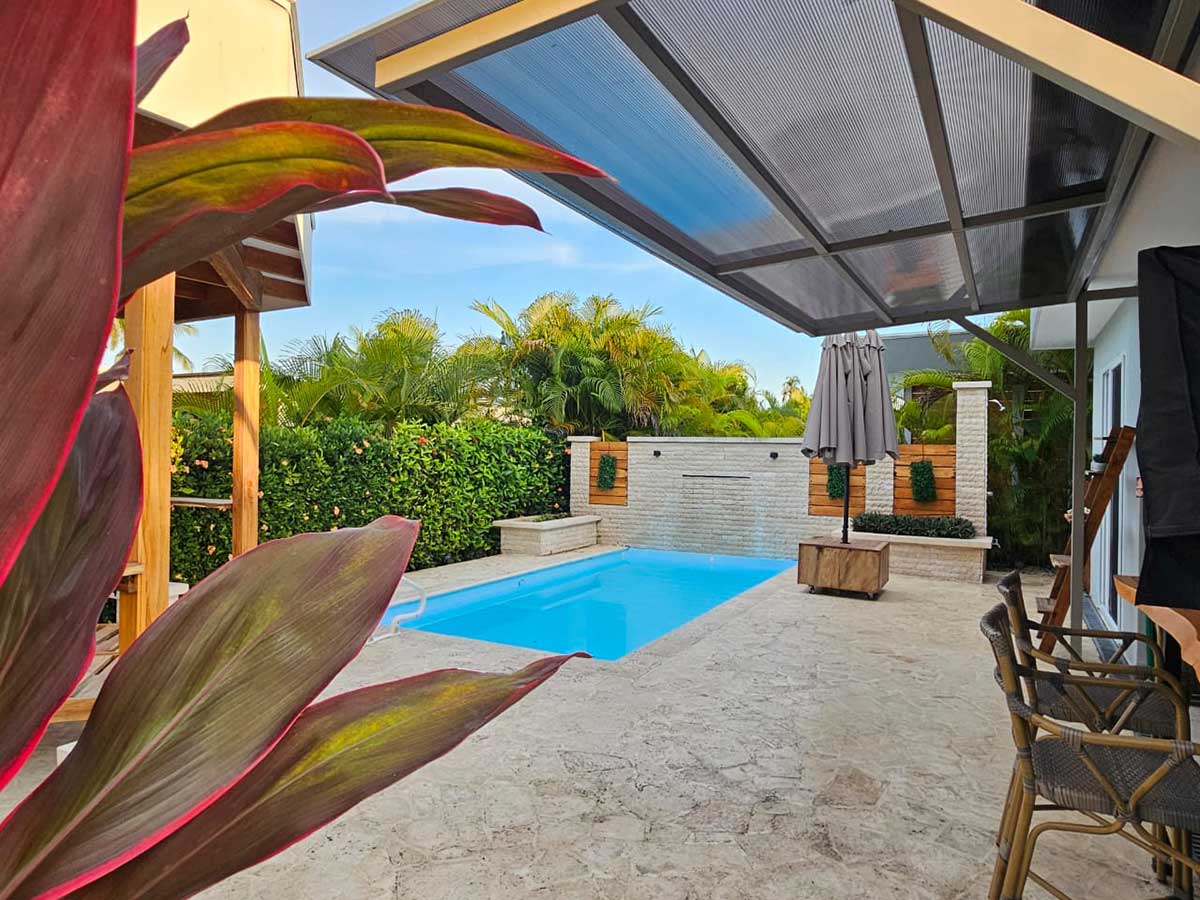
The truth is, both options can be incredible earners, but they cater to very different types of investors. Whether you’re looking for a steady income-producing property or a long-term legacy estate, understanding the math behind the palm trees is key. Let’s dive into the nitty-gritty of beachfront condos in Costa Rica versus standalone beach houses to see which one deserves your signature.

The Entry Price: How Much “Skin in the Game” Do You Need?

Beachfront condos are the undisputed champions of accessibility, allowing you to enter the market for as little as $100,000 to $300,000. That’s a fraction of what you’d pay for a similar view in Miami or Malibu. In popular hubs like Jacó or Tamarindo, you can snag a high-quality unit for roughly $700 to $1,500 per square meter. It’s the “gateway drug” of Costa Rican real estate: attainable, manageable, and highly liquid.

On the flip side, beach houses in Costa Rica are the heavy hitters, typically requiring a capital injection of $400,000 to well over $1 million for a quality beachfront location. Talk about a different league! When you buy a house, you aren’t just buying walls and a roof; you’re buying the dirt beneath them. Since beachfront land is finite and highly regulated by the Maritime Zone law, owning a standalone home is a scarcity play.

If you’re working with a tighter budget or want to diversify your portfolio across multiple units, condos win. But if you have the capital and want to dominate a specific neighborhood, a house is your power move. You can browse our listings in the $200k to $350k range to see exactly what your dollar buys right now.

Comparison of modern beachfront condos in Costa Rica and luxury beach houses by the ocean.

Rental Potential: The Battle for Nightly Rates

Short-term rentals are the engine of the Costa Rican coast, and condos are built for high-occupancy efficiency. Most beachfront condos in Costa Rica come with “resort-style” perks: 24/7 security, gym access, sparkling communal pools, and a concierge to book tours. These amenities are catnip for solo travelers and couples. You can expect to pull in anywhere from $150 to $400 per night. Because these buildings are often located in the heart of town, your occupancy rates stay high even during the “green season.”

Beach houses, however, command the “whale” bookings: families and wedding groups willing to pay $300 to $1,000+ per night. In markets like Manuel Antonio or the Nicoya Peninsula, a well-managed beach house can be a gold mine. Families want privacy. They want their own kitchen, their own pool, and no neighbors banging on the ceiling.

The coolest part about owning a house? You have total control over the “wow factor.” Want to add a luxury outdoor kitchen or a yoga deck to boost your nightly rate by 20%? Go for it. In a condo, you’re stuck with whatever the HOA allows. If you’re looking to invest for high yields, a house offers more “levers” to pull to increase your income.

Maintenance: The “Salt Air Tax” is Real

Salt, humidity, and tropical storms are the natural enemies of coastal property, and they don’t care about your profit margins. If you own a beach house, maintenance is a full-contact sport. Experts suggest setting aside 3% to 5% of the property’s value every single year just for upkeep. Between pool chemicals, landscaping, and the constant battle against corrosion, the costs can add up to $2,000 a month easily.

Condos offer the “lock-and-leave” lifestyle that many international buyers crave. Your HOA fees: usually between $200 and $800 a month: cover the heavy lifting. The association handles the roof, the elevators, the pool, and the painting. You only worry about the “four walls” of your unit. For a foreign investor who doesn’t live in Costa Rica year-round, this peace of mind is priceless.

Imagine you’re back home in the States or Europe and a tropical storm rolls through. If you own a condo, the building manager is already on it. If you own a house, you’re calling your local handyman and praying he picks up. It’s the classic trade-off: total control vs. total convenience.

High-end beach house in Costa Rica with a private infinity pool and sun deck for vacationers.

Appreciation and the Long Game

Land doesn’t grow, but the demand for it in Costa Rica certainly does. This is why beach houses generally see stronger appreciation, often hitting 6% to 12% annually. Because you own the land (or the concession rights to it), you benefit from the rising tide of the entire area. As more people flock to places like Tambor or Paquera, your patch of sand becomes exponentially more valuable.

Condos offer more modest appreciation, typically hovering around 4% to 7%. Since you don’t own the underlying land, your value is tied strictly to the building’s condition and the local market’s comparable sales. Condos are excellent for cash flow, but houses are where true generational wealth is built.

If your goal is to flip the property in five years, a condo in a high-demand area is a safe bet. But if you’re looking at a 10-to-20-year horizon, the land value of a beach house will likely outperform any condo unit. Check out some of our luxury estates to see how high-end land ownership looks in practice.

Lifestyle and Personal Use

Are you buying this property purely for the numbers, or do you plan on living there part-time? This is where the decision gets personal. A condo is perfect for the “digital nomad” or the retiree who wants to walk to the grocery store and have a social circle at the communal pool. It’s easy, it’s social, and it’s right in the middle of the action.

Beach houses offer a level of “Pura Vida” soul that a condo just can’t match. There’s something magical about having no shared walls and hearing nothing but the monkeys in the trees and the waves on the shore. If you have a large family or plan on hosting friends, a house is the only way to go. You can even find meticulous residences that feel like private sanctuaries.

The Strategy: Which is Right for You?

Don’t let “analysis paralysis” stop you from getting into the market. Here is the quick cheat sheet for your investment strategy:

  1. The “Passive Earner” Strategy: If you have $250k, want minimal stress, and want a check deposited into your account every month without lifting a finger, buy a beachfront condo. It’s predictable and professional.
  2. The “High-Yield Mogul” Strategy: If you have $600k+, want to maximize your nightly rates, and don’t mind managing a local team (or hiring a great property manager), go for the beach house. The upside is significantly higher.
  3. The “Power Move”: Start with a condo to learn the local laws, rental rhythms, and tax implications. Once you’ve built equity and confidence, “trade up” into a luxury beach house.

Whichever path you choose, make sure you understand the legal side of things. Our guide to buying a home in Costa Rica is a great place to start. And if you’re thinking about the long term, you might even qualify for investor residency, which makes living here even easier.

Final Thoughts: Location Still Wins

At the end of the day, a bad house in a great location beats a great condo in a bad one. Costa Rica is diverse: what works in the Guanacaste dry forest might not work in the lush Southern Zone. Whether you’re looking at a half villa in Paquera or an open-concept villa in Puntarenas, the fundamentals of real estate still apply.

Ready to see these properties in person? We’ve been helping investors navigate the Costa Rican coast for years, and we’d love to help you find your perfect match. Contact us today or join our email list to get the latest listings delivered straight to your inbox before they hit the general market.

The waves are calling( will you answer?)

Comments Off on Beachfront Condos in Costa Rica Vs Beach Houses: Which Is Better For Your Investment Strategy?


How to Register Your Imported Vehicle in Costa Rica: A Step-by-Step Guide

How to Register Your Imported Vehicle in Costa Rica: A Step-by-Step Guide

March 9, 2026

Properties in Costa Rica

Bringing a car into Costa Rica is a big move! Once your vehicle has cleared customs and the import taxes are paid, you still have a few laps to go before you can hit the road legally.

Here is the step-by-step process for registering your vehicle and getting those license plates.

Step 1: Obtain Your Temporary Title (DUA)
Once customs is cleared, the Customs Department issues the DUA (Documento Único Administrativo). This is essentially your vehicle’s temporary title for the first 24 to 48 hours. It allows you to legally transport the car from the customs warehouse to its technical inspection.
Pro Tip: Do not leave the warehouse until you double-check that every detail on the DUA matches your vehicle exactly. Even a small typo can take months to correct later!

Step 2: Pass the Technical Inspection (DEKRA)
Every vehicle in Costa Rica must pass a safety and emissions inspection (formerly known as RITEVE, now managed by DEKRA). Since the car isn’t registered yet, you must tow or haul it to the inspection station. Once it passes, you’ll receive a temporary inspection certificate needed for the next steps.

Step 3: Hire a Notary to Register with the National Registry
Now it’s time for the legal work. You will need to hire a Notary Public to draft a legal deed (escritura). You’ll need to appear in person or provide a Power of Attorney. The notary then files this deed with the National Registry (Registro Nacional) to officially title the car in your name.

Fees: Expect to pay roughly 4.5% of the vehicle’s value in registration costs and legal fees.

Timeline: This usually takes between 5 to 30 days. Once accepted, your car is officially in the system and assigned its permanent license plate number.

Step 4: Pay the Marchamo (Annual Circulation Tax)
The Marchamo is the mandatory annual road tax and liability insurance. This is handled by the National Insurance Institute (INS). You’ll need to take your temporary inspection certificate to an INS office or authorized bank to pay this fee and get your paperwork started.

Step 5: Obtain Your License Plates
Once the National Registry confirms the registration, you can request your physical license tags. Most people have their Notary handle this part, as they can act as your agent to pick up the metal plates and the registration stickers for you.

Step 6: Get Your Final Inspection Stickers
You’re almost there! Once you have your title, your paid Marchamo, and your license plates, you must return to the DEKRA station. They will review your final documents and swap your temporary certificate for the final window sticker (the one that proves your car is 100% legal to drive).

Note: You may need to wait 24-48 hours after registration for the systems to sync before you can get your final Marchamo sticker from the INS office.

Comments Off on How to Register Your Imported Vehicle in Costa Rica: A Step-by-Step Guide


Google+ Facebook Linkedin Youtube Twitter Blog Instagram