
Buying Property on Costa Rica’s Caribbean Side: A Buyer’s Guide
November 1, 2026
Properties in Costa Rica
Why the Caribbean Side?
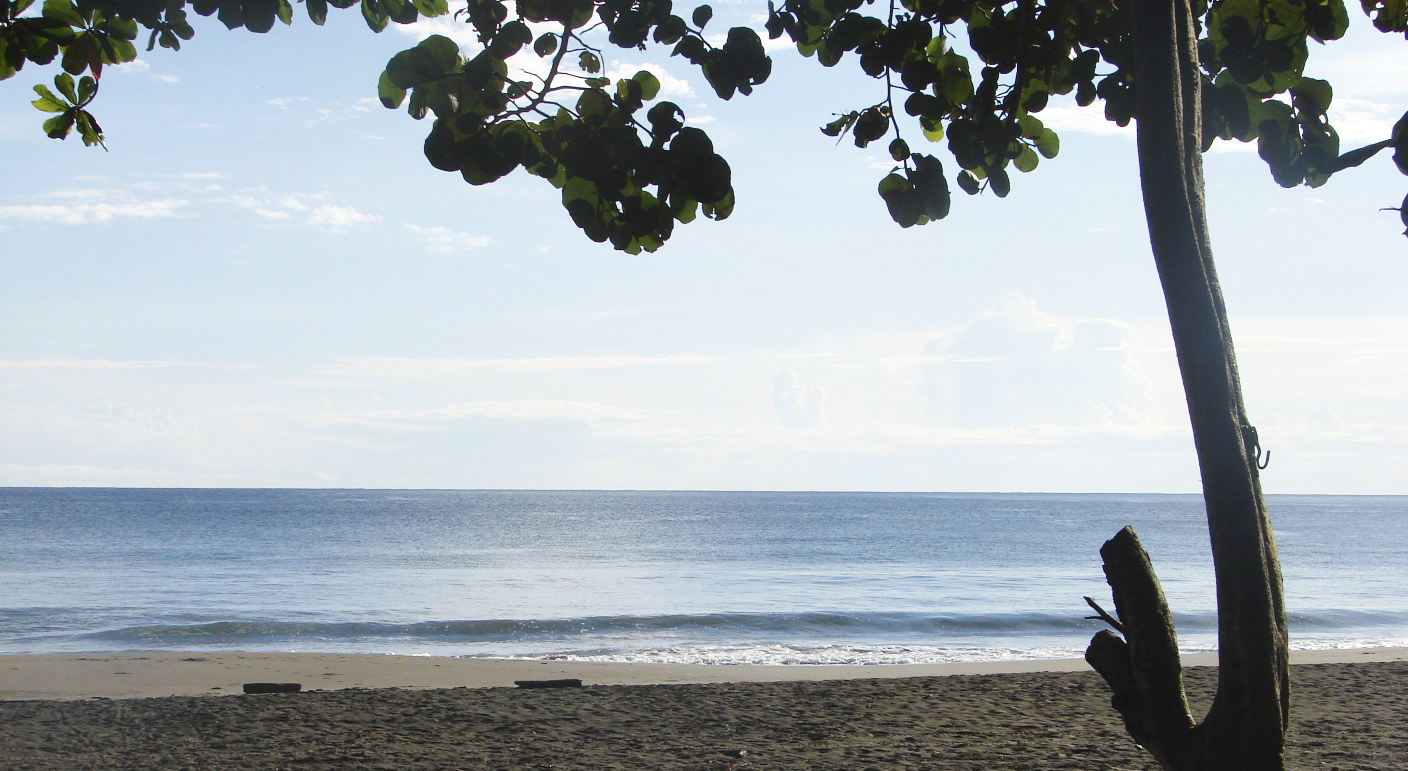
Costa Rica’s southern Caribbean coast is a world of its own. Turquoise water, coral reefs, white and black sand beaches, and lush jungle meet a rich Afro Caribbean and Bribri culture you will not find anywhere else in the country. Towns like Cahuita, Puerto Viejo, Cocles, Playa Chiquita, Punta Uva and Manzanillo offer a slower, more authentic pace of life, great food, and some of the most beautiful beaches in Central America.
Property prices here are often more accessible than on the Pacific coast, which makes the Caribbean a favorite for buyers looking for a tropical home, a vacation rental, or a small hospitality business.
But the Caribbean has its own rules. Here is what every buyer should know before making an offer.
1. Titled Property vs. the Maritime Zone
Foreigners can own titled property in Costa Rica with the same rights as Costa Rican citizens. Titled land (“propiedad inscrita”) is registered at the National Registry and is the safest way to own.
The first 200 meters from the high tide line are the Maritime Terrestrial Zone (ZMT):
- The first 50 meters are public and cannot be owned or built on privately. Every beach in Costa Rica is public.
- The next 150 meters can only be held through a concession from the municipality, similar to a long term lease, and concessions have limits on foreign ownership.
On the South Caribbean coast, many beachfront areas do not have an approved coastal zoning plan, so new concessions may not be available. If a property is close to the beach, your attorney must confirm whether it is titled land outside the Maritime Zone, a concession, or neither.
2. Be Careful with Possession Rights
On the Caribbean side you will see properties offered with “derechos de posesión” (possession rights) instead of a registered title. This means someone has occupied the land, but it is not registered in their name. These properties can be cheaper, but they carry real risk: you may not be able to register, finance, insure or resell them easily. Our advice is simple: buy titled property, and have your attorney verify the title at the National Registry before you sign anything.
3. Protected Areas and Indigenous Territories
The South Caribbean is home to Cahuita National Park and the Gandoca Manzanillo National Wildlife Refuge, as well as protected forest and wetlands. There are also indigenous territories in Talamanca where land cannot be sold to non indigenous buyers. Building inside or next to these areas can be restricted. Always ask your attorney to check:
- Whether the property is inside or next to a protected area
- Whether it is within an indigenous territory
- Setbacks from rivers, creeks and wetlands
- The zoning and building rules of the Municipality of Talamanca or Limón
4. Check the Basics: Access, Water and Electricity
Before you buy, confirm:
- Legal access: the property should front a public road, or have a registered easement.
- Water: a connection to the local water system (AyA or ASADA) or a legal well permit.
- Electricity: available from the road, and the cost to bring it in if not.
- Drainage and flooding: the Caribbean is rainy and green all year, so ask about drainage and check that the property is not in a flood zone.
5. Climate and Maintenance
The Caribbean enjoys warm weather all year and its own rhythm of seasons. September and October, often rainy months on the Pacific, are usually some of the sunniest months on the Caribbean coast. Humidity and salt air mean homes need good ventilation and regular maintenance, so ask about the condition of roofs, wood and metal work during your inspection.
6. Renting Out Your Property
The area is popular with surfers, nature lovers and digital nomads, so vacation rentals can be a good investment. If you plan to rent, ask your attorney about the municipal license (patente), tax registration and ICT requirements, and plan for a local property manager.
The Buying Process, Step by Step
- Offer: once we agree on price and terms, we sign a Letter of Intent.
- Purchase agreement and deposit: a deposit, usually 10%, goes into a regulated escrow account, never directly to the seller.
- Due diligence: your attorney checks the title, survey (plano catastrado), liens, zoning, access, water and any Maritime Zone or protected area issues.
- Closing: the deed is signed before a Costa Rican notary and the balance is paid through escrow. Closing costs are usually about 3.5% to 4% of the price.
- Registration: the new deed is recorded in your name at the National Registry.
Find Your Caribbean Home with Properties in Costa Rica
At Properties in Costa Rica we have homes, lots and investment properties from Cahuita to Punta Uva, and we work with trusted local attorneys who know the Caribbean well. Browse our Caribbean properties or contact us to schedule a visit.
This article is for general information only and is not legal advice. Always work with a qualified Costa Rican attorney before buying property.