Properties in Costa Rica Blog

Monthly Archives: May 2026


Hiring in Paradise? Don’t Get Caught in a Legal Wave: The Guide to Costa Rican Labor Laws

Hiring in Paradise? Don’t Get Caught in a Legal Wave: The Guide to Costa Rican Labor Laws

May 26, 2026

Properties in Costa Rica

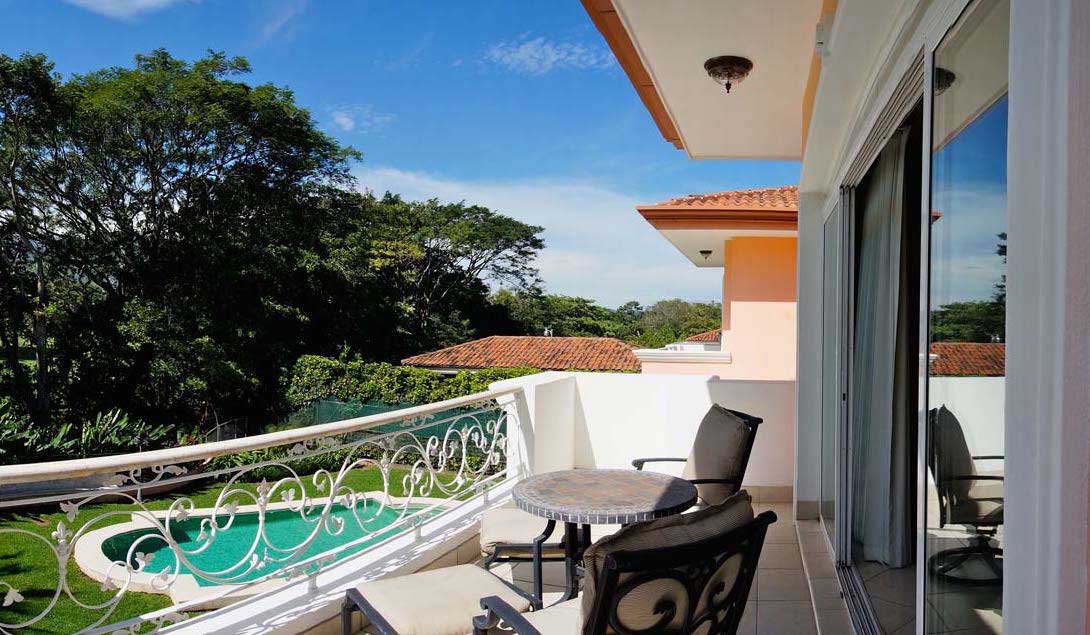
Luxury Costa Rican Property with Lush Greenery

Buying your dream beach house or launching a savvy investment in Costa Rica is an absolute thrill, but it usually comes with a bit of help. Whether you’ve hired a gardener to tame your jungle retreat, a housekeeper for your luxury beachfront condo, or a property manager to handle your vacation rentals, you’ve officially leveled up. You’re now a boss!

While “Pura Vida” is the national motto, the labor court isn’t always so laid back. Costa Rican labor laws are famously protective of employees, and “I didn’t know” isn’t a valid defense. To keep your piece of paradise peaceful, you’ve got to master the “Big Three” of local labor law: Aguinaldo, Preaviso, and Cesantía.

Let’s dive into the deep end and make sure you’re swimming with the current, not against it.

1. The 13th Month: Aguinaldo (Christmas Bonus)

Think of Aguinaldo as the mandatory holiday gift that keeps the peace. In Costa Rica, it’s not just a nice gesture: it’s the law, and it’s non-negotiable.

  • The Math: This one is super simple. Take all gross wages earned from December 1st of last year to November 30th of this year and divide by 12.
  • The Deadline: You’ve got to get that payment out by December 20th. Don’t be late! If you miss this window, you could face heavy fines and a very unhappy staff.
  • The Perk: Here’s some good news: Aguinaldo is tax-free and exempt from CCSS (Social Security) deductions. It’s considered “sacred” money, meant to help families enjoy the holidays.

Wait, what about live-in help? If you have a live-in employee, the law assumes you’re providing food and lodging. This is called “salary in kind.” For the Aguinaldo calculation, you must typically add an extra 50% to their cash wage to account for these benefits. So, if you pay $1,000 cash, you calculate the bonus based on a $1,500 salary. Talk about a holiday boost!

Stunning Costa Rican Home with Pool and Ocean View

2. The Heads-Up: Preaviso (Notice Pay)

Ending a working relationship isn’t as simple as saying “adios” on a Tuesday. Unless there is a serious, legally documented “just cause” (like theft or repeated unexcused absences), you owe your employee a heads-up. This gives everyone time to pivot.

The notice period depends entirely on how long they’ve been with you:

  • Under 3 months: You’re in the “Trial Period”: no notice needed. You can part ways immediately.
  • 3 to 6 months: Give ‘em 1 week’s notice.
  • 6 months to 1 year: Give ‘em 15 days’ notice.
  • Over 1 year: A full month’s notice is required.

The Pro Tip: Don’t want them on the property for another month after you’ve delivered the news? You don’t have to keep them there. You can pay the cash equivalent of the notice period and part ways the same day. Most investors choose this route to avoid the “awkward phase.”

3. The Safety Net: Cesantía (Severance Pay)

This is essentially a loyalty bonus for employees let go without “just cause.” If you’re downsizing or just decided you want a different property manager for your commercial venture, Cesantía is the price of that change.

  • How it works: It’s a specific number of days’ pay for every year they’ve been with you. The math gets a bit crunchy here, but it averages out to about 19 to 22 days per year of service.
  • The Limit: It caps out at 8 years.
  • The average: For an employee who has been with you for several years, this can be a significant chunk of change: roughly one month of salary per year worked.

Just like notice pay, this doesn’t apply if they’ve worked less than 3 months or if they quit voluntarily. But if you initiate the breakup, be prepared to pay.

Lush Garden and Tropical Estate

4. The Magic 3-Month Window (Trial Period)

The first 3 months are your “getting to know you” phase. Think of it as a first date that lasts 90 days. During this time, the law is on your side. You can end the contract for any reason without paying Preaviso (Notice) or Cesantía (Severance).

The Catch? You always owe the proportional Aguinaldo and any unused vacation days, no matter how short the stint. Even if they worked for only two weeks, you owe them those tiny slices of the pie.

5. Vacation: Take a Break!

Everyone deserves a tan in Costa Rica. The law mandates 2 weeks of paid vacation for every 50 weeks worked.

  • Accrual: Employees earn roughly 1.16 days of vacation per month.
  • Payout: If an employee leaves (whether they quit or are fired), you must pay out their accrued, unused vacation days in their final check.
  • The Rule: You cannot “buy” vacation time from your employees. They must take the time off to rest. You can’t just pay them double to stay and work: the Ministry of Labor wants them out enjoying the sunshine!

6. The “Hidden” Costs: CCSS and INS

Cash under the table is a recipe for a legal disaster. Many expats think they can just pay their gardener in cash and call it a day. Don’t fall for it!

  1. CCSS (Caja): This is the national social security. As an employer, you’re responsible for paying about 26% on top of the salary, while the employee pays about 10%. This covers their health insurance and pension.
  2. INS (Riesgos del Trabajo): This is mandatory workman’s compensation insurance. If your gardener falls off a ladder and you don’t have INS, you are personally liable for all medical bills and lost wages. In a country with high mountains and slippery jungle paths, this isn’t a risk you want to take.
Luxury Compound in Cocles, Puerto Viejo

Why This Matters for Investors

The biggest mistake? Buying a business or property and inheriting “hidden” labor liabilities. When you buy a corporation that owns a mountain retreat or a boutique hotel, you might be taking over decades of service (known as antigüedad) from the existing staff.

If the previous owner didn’t settle the labor accounts, you become responsible for the severance and bonuses accrued over the last 10, 15, or 20 years. Always perform deep due diligence. Ensure the seller provides a “finiquito” (a signed legal release) from every employee, or adjust the purchase price to cover those future liabilities.

Keeping it Pura Vida

Navigating labor laws might feel like a chore, but it’s the foundation of a successful life in Costa Rica. By doing things the right way: signing contracts, paying into the Caja, and calculating bonuses accurately: you protect your assets and build a loyal, happy team.

At Properties in Costa Rica, we don’t just find you the house; we help you navigate the entire lifestyle. Whether you’re looking for investment opportunities or your forever home, we’ve got the local knowledge to keep you out of the legal weeds.

Got questions about hiring for your new property? Reach out to us today! We’re here to make sure your transition to paradise is as smooth as a sunset on the Pacific.

Comments Off on Hiring in Paradise? Don’t Get Caught in a Legal Wave: The Guide to Costa Rican Labor Laws


Why Everyone Is Talking About Costa Rica Central Valley Real Estate (And You Should Too) Modern luxury living in the heart of the Central Valley offers a blend of mountain views and urban sophistication.

Why Everyone Is Talking About Costa Rica Central Valley Real Estate (And You Should Too) Modern luxury living in the heart of the Central Valley offers a blend of mountain views and urban sophistication.

May 22, 2026

Properties in Costa Rica

The coastal hype is real, but the Central Valley is where the smart money is moving right now. While everyone else is fighting over beachfront property in 90-degree heat, savvy investors and expats are quietly snapping up estates in the “Golden Triangle” of Escazú, Santa Ana, and Rohrmoser. Why? Because you can’t beat a 75°F year-round climate, world-class infrastructure, and a rental market that doesn’t vanish when the tourist season ends.

If you’ve been looking for a place to retire, relocate, or just park your capital in a high-yield asset, the Central Valley isn’t just an option: it’s the anchor your portfolio needs. Let’s dive into why this region is crushing it in 2026.

The “Eternal Spring” Isn’t Just a Slogan: It’s a Lifestyle

Imagine never needing an air conditioner or a heater again. It sounds like a dream, but in towns like Atenas and Grecia, it’s just Tuesday. The Central Valley sits at an elevation that keeps temperatures between 70°F and 80°F (21–27°C) almost every day of the year.

Talk about a game-changer! While the Pacific coast can get sweltering, the valley offers a temperate breeze that makes outdoor living truly comfortable. This isn’t just about personal comfort, though. From an investment perspective, “perfect weather” translates to lower utility bills and less wear and tear on properties.

The Golden Triangle: Where Luxury Meets ROI

Escazú and Santa Ana aren’t just neighborhoods; they’re the economic engine of Costa Rica. If you want the best of the best: think high-end shopping at Multiplaza, world-class healthcare at CIMA Hospital, and top-tier international schools: this is where you land.

Despite the global shifts, the Central Valley real estate market has remained remarkably stable. We’re talking about an average appreciation of 5% to 7% annually, with premium pockets in Escazú reaching up to 9% year-on-year.

The coolest part? The rental yields are solid. Modern condos in this area often pull in 6.5% to 7.5% annual returns. Unlike the beach markets that fluctuate with tourism trends, the Central Valley demand is driven by corporate executives, diplomatic staff, and digital nomads who stay year-round. High occupancy (we’re talking 85% to 95%) means your investment doesn’t just sit there: it works.

Why Investors are Swapping “Beachfront” for “Valley-view”

Don’t get us wrong, we love a good sunset over the Pacific. But from a diversification standpoint, the Central Valley acts as the “bond” in your real estate portfolio. It’s less volatile than the coastal markets and offers significantly better infrastructure.

You want fiber-optic internet that actually works? Check. Paved roads that don’t wash away in the green season? Check. Proximity to the SJO International Airport? You’re literally 20 minutes away.

Modern Escazu Condo
High-end condos in Escazú offer a turnkey solution for investors seeking immediate rental income.

Vertical Living is the New Standard

The skyline of San José and its suburbs is changing fast. We’ve seen a massive shift toward “vertical living”: high-end apartment complexes that offer resort-style amenities like lap pools, gyms, and co-working spaces.

Take, for example, our prestigious residence listing in Escazú. For around $179,000, you can own a fully furnished, 3-bedroom executive apartment in a prime location. In North America or Europe, a similar setup in a comparable neighborhood would cost double or triple that.

Relocation? The “Tico” Prices are Still Here

Think you’ve been priced out of paradise? Think again. While luxury mansions can easily clear the $1M mark, there are still incredible opportunities for those willing to look just outside the main hubs.

Areas like La Guácima and San Rafael offer gated communities and townhouses starting in the $150k to $250k range. These are the spots where locals and long-term expats are buying because they offer a “best of both worlds” scenario: quiet, secure living with easy highway access to both the city and the beach.

Heredia offers spacious family condos in secure, gated environments.

The Infrastructure Advantage

You can’t run a global business from a hammock if the power goes out every time it rains. This is where the Central Valley truly shines. It is the country’s economic and cultural hub.

  • Connectivity: The region has the most reliable utilities and widespread fiber-optic coverage.
  • Healthcare: 90% of the country’s top private specialists are based in the San José metro area.
  • Accessibility: You can be at the beach in 60 minutes via Route 27 or in the mountains in 20.

Whether you’re a family looking for the best bilingual education or a retiree wanting peace of mind near a hospital, the Central Valley provides a safety net that the more remote regions just can’t match.

Your Move: Ready to Explore the Valley?

The secret is out, but the window of opportunity is still wide open. The market in 2026 is a “buyer’s market,” meaning you have more room to negotiate, especially on pre-construction units and new inventory.

Don’t wait for the prices to catch up to the coastal levels. Whether you’re looking for a mountain retreat or a sleek city condo, we’ve got the local knowledge to help you find the right fit.

The coolest part about working with us? We’ve been on the ground for years. We know which buildings have the best HOAs and which hillsides have the most stable views.

Ready to see it for yourself? Contact our team today and let’s find your piece of the “Eternal Spring.”

Luxury living near the Cariari Golf Course combines sport and relaxation in a prestigious neighborhood.


Comments Off on Why Everyone Is Talking About Costa Rica Central Valley Real Estate (And You Should Too) Modern luxury living in the heart of the Central Valley offers a blend of mountain views and urban sophistication.


Costa Rica Central Valley Real Estate vs. Beach Houses: Which Is Better for Your Lifestyle?

Costa Rica Central Valley Real Estate vs. Beach Houses: Which Is Better for Your Lifestyle?

May 4, 2026

Properties in Costa Rica

Choosing between the lush mountains of the Central Valley and the sun-drenched shores of the Pacific is the ultimate “good problem” to have. You’re standing at a crossroads where one path leads to world-class shopping and spring-like weather, and the other leads to surfing at dawn and sunset cocktails. But here’s the kicker: your choice won’t just change your view; it’ll completely reshape your daily budget, your social life, and even how often your laptop works.

If you’re hunting for beach houses in costa rica or scouting out costa rica central valley real estate, you’ve probably realized they’re two totally different worlds. We’re talking about a lifestyle gap wider than the Continental Divide. Let’s break down the “Pura Vida” reality so you can figure out which side of the mountain you belong on.

The Central Valley: Urban Sophistication Meets Eternal Spring

The Central Valley is the heartbeat of the country, and it’s where about 70% of the population lives for a very good reason. If you hate the idea of sweating through your shirt by 9:00 AM, this is your sanctuary. Cities like Escazú and Santa Ana are the crown jewels here. They offer a lifestyle that’s strikingly similar to Southern California or South Florida, but with way more soul (and significantly better coffee).

The weather is the biggest selling point. We call it “Eternal Spring” because the temperatures usually hover between 65°F and 80°F all year round. You won’t need an air conditioner, and you definitely won’t need a heavy coat. It’s the Goldilocks zone of climate.

But it’s not just about the breeze. If you’re a foodie or a shopaholic, the Central Valley wins by a landslide. You’ve got Multiplaza (a world-class mall), Avenida Escazú, and more fine dining than you can shake a fork at. Plus, for retirees or families, having the CIMA or Clínica Bíblica hospitals: some of the best medical facilities in Latin America: just ten minutes away provides a massive peace of mind.

Want to see what’s currently on the market? Check out our Central Valley listings to get a feel for the local architecture.

The Beach Life: Salt Air and Sunset Dreams

Beach houses in Costa Rica are the stuff of postcards, and for many, it’s the primary reason for moving here. Whether it’s the vibrant “Gold Coast” of Tamarindo or the wild, jungle-meets-ocean vibe of Uvita, the coast is all about high-octane nature.

Life at the beach is slower, saltier, and definitely hotter. You’re trading the manicured streets of Santa Ana for gravel roads, flip-flops as formal wear, and monkeys as your morning alarm. In places like Uvita, you’re literally living where the mountains tumble into the sea. The “Whale Tail” sandbar is a daily reminder that you’re living in a National Geographic documentary.

The coolest part? The rental potential. If you’re looking at your property as an investment, beach houses in high-demand areas like Tamarindo are cash cows. Tourists are willing to pay a massive premium for an ocean view and a pool.

However, don’t ignore the heat. Coastal temperatures regularly hit the 90s with high humidity. You’ll be living in your AC, and your electricity bill will reflect that. Also, the salt air is a beast: it eats electronics and appliances for breakfast. You’ll be replacing your toaster and your TV way more often than your friends in the Valley.

Explore the dream here: Beachfront and Ocean View Properties.

The Cold Hard Cash: Buying and Maintaining

Let’s talk numbers because the price gap between the valley and the coast is staggering. Based on 2025 market data, beachfront homes can cost up to three times more than a similar-sized home in the Central Valley. In prime spots like Tamarindo or Manuel Antonio, you’re looking at $2,500 to $5,000 per square meter for high-end builds.

In the Central Valley, your dollar goes much further. You can find a stunning, modern three-bedroom home in a gated community in Santa Ana for a fraction of what a beach condo costs.

Beyond the purchase price, consider the “hidden” costs:

  • Maintenance: Coastal homes require constant painting and rust prevention. In the Valley, things just… last longer.
  • Insurance: Beachfront properties often carry higher premiums due to the proximity to the ocean and potential storm surges.
  • Utilities: As mentioned, AC is a luxury you pay for at the beach. In the Central Valley, your “AC” is just opening the window.

Despite the higher costs, the ROI at the beach is often higher for short-term rentals. If you aren’t living there full-time, the beach might actually pay for itself faster.

The Digital Nomad Dilemma: WiFi and Power

If you’re working remotely, this section is your most important read. While Costa Rica has made massive leaps in connectivity, the Central Valley is still the king of infrastructure. Fiber optic internet is standard in Escazú and Santa Ana. Power outages are rare, and when they happen, they’re usually fixed in a flash.

At the beach? It’s getting better, but it’s still the “jungle.” A heavy rainstorm in Uvita can knock out the power for hours, and your high-speed internet might feel more like “medium-speed” during peak tourist season. If your job depends on being on Zoom calls all day, you’ll need a backup power source (like a Tesla Powerwall or a generator) and a Starlink dish as a secondary internet option.

Community Vibes: Expat Clusters vs. Local Flavor

Who are you going to grab a beer with on Friday night? In the Central Valley, the community is a sophisticated mix of high-earning locals (Ticos), embassy staff, and corporate expats. It’s very international, but it feels like a “real” city. You’ll find book clubs, tennis leagues, and networking events.

The beach community is different. It’s a rotating door of surfers, digital nomads, and “snowbirds” who are only there for half the year. It’s easier to meet people because everyone is in a “vacation” mindset, but it can also feel a bit transient. If you want deep, long-term roots, the Valley might feel more like home. If you want a new best friend every week at the local beach bar, head to the coast.

The Proximity Hack: Can You Have Both?

Here is the secret weapon of the Central Valley: you’re close to everything. From San José, you can be in Jacó or Herradura in about 90 minutes. You can be in the mountains of San Ramón in an hour. Many people choose to buy their primary residence in the Central Valley for the schools and hospitals, and then keep a small condo at the beach for weekends.

Talk about the best of both worlds! You get the “Spring” weather for your work week and the “Summer” vibes for your Saturday surf sessions.

Decision Time: Which One Wins?

So, where should you put your stakes? There’s no wrong answer, only the right answer for you.

Choose Central Valley Real Estate if:

  • You work remotely and need 99.9% uptime.
  • You prefer 75°F over 95°F.
  • You want the best hospitals and schools within a 10-minute drive.
  • You want more house for your money.

Choose Beach Houses in Costa Rica if:

  • You live for the ocean and outdoor adventure.
  • You want to maximize short-term rental income.
  • You don’t mind a little “jungle grit” and higher maintenance.
  • You’ve always dreamed of watching the sunset over the Pacific from your balcony.

The coolest part? Whether you want the valley or the coast, we’ve got the keys to both. If you’re ready to stop scrolling and start seeing these spots in person, reach out to us. We’ve been helping people find their slice of paradise since the early days, and we’d love to show you around.

Not sure where to start? Browse our full listings or join our email list to get the hottest new properties delivered straight to your inbox. Pura Vida!

Comments Off on Costa Rica Central Valley Real Estate vs. Beach Houses: Which Is Better for Your Lifestyle?


Google+ Facebook Linkedin Youtube Twitter Blog Instagram