
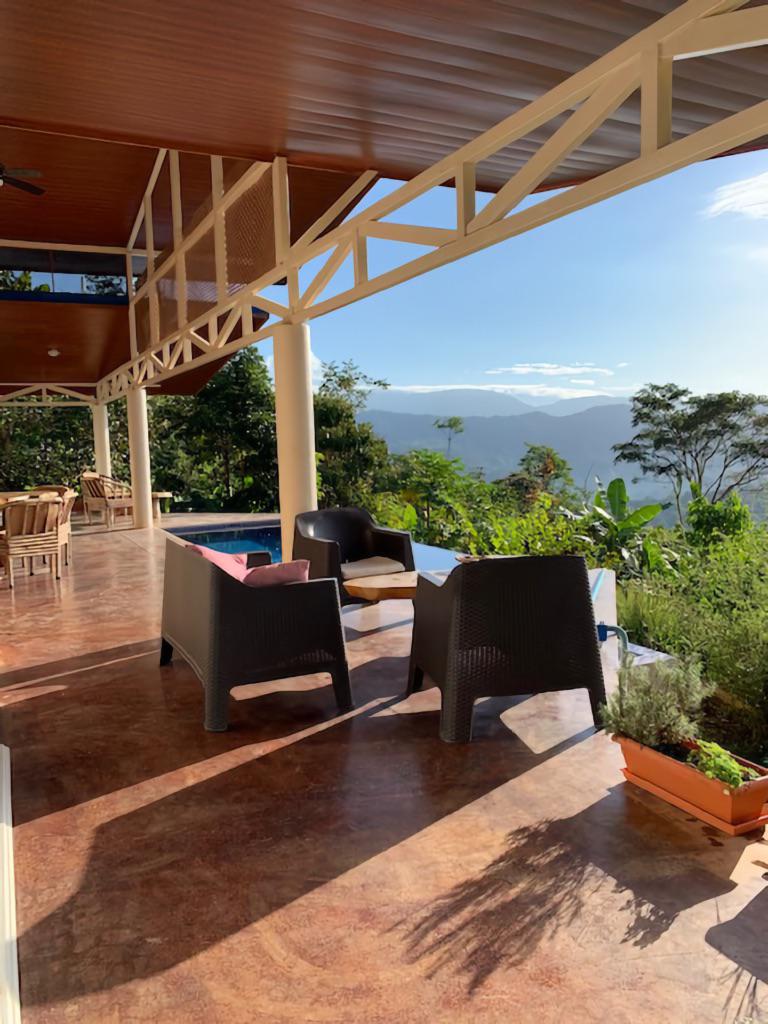
Can Foreigners Get a Mortgage in Costa Rica? Your Financing Options
November 4, 2026
Properties in Costa Rica
It is one of the first questions our buyers ask: “Do I need to pay cash?” The short answer is no. Most international buyers still pay cash, but today there are more financing options for foreigners than ever before. The key is knowing which one fits your situation, and planning early.
Here are the four main ways to finance a property in Costa Rica.
1. Costa Rican Banks
Several Costa Rican banks lend to foreigners, including some to non residents. Banks that offer mortgage programs include Banco Nacional, Banco de Costa Rica, BAC, Banco BCT and Banco LAFISE.
What to expect:
- Down payment: non residents usually need a larger down payment, often 30% to 50% of the property value, depending on the bank and your profile. For example, BAC finances up to 50% for non residents, and LAFISE advertises up to 70%.
- Terms: up to 20 or 30 years, in US dollars or colones, depending on the bank.
- Interest rates: often fixed for the first years and then variable. Ask each bank for a current quote.
- Paperwork: bank statements, proof of income, tax returns, credit references and proof of the source of your funds. Expect the process to take longer than in the US or Canada.
- Insurance: life insurance on the loan balance and property insurance are usually required.
- Trust structure: some banks hold the property in a trust (fideicomiso) until the loan is paid off.
Tip: having legal residency or income in Costa Rica can improve your terms.
2. US Based Lenders That Finance Costa Rica Property
A newer option for US citizens and permanent residents is a mortgage from a US based lender that specializes in Costa Rica. Two lenders our clients use are:
- Volo: finances up to 75% of the property value (25% minimum down payment), with fixed or adjustable rates, terms up to 30 years, a minimum credit score of 680, and closings in as little as 30 days.
- Second Street: 30 year fixed rate mortgages with a down payment generally starting at 25%, a minimum credit score of 720, a minimum loan of US$150,000, and no prepayment penalties. It does not finance land or construction.
These programs generally require US citizenship or a green card, so Canadian and other international buyers may not qualify. We are happy to connect you directly with them.
3. Seller Financing (Owner Financing)
Some sellers are willing to finance part of the price themselves. This is more common in Costa Rica than many buyers expect, and it can be a great option for land or for buyers who do not qualify with a bank.
- Terms are negotiated between buyer and seller: down payment, interest rate, payment schedule and length.
- A larger down payment is common, and some agreements end with a final balloon payment.
- Your attorney should prepare the agreement and make sure the security for the seller is properly registered, so both sides are protected.
We have several properties available with owner financing. Read more in our guide to buying property in Costa Rica with owner financing.
4. Using Equity or Assets at Home
Many buyers finance their Costa Rica purchase from home, with a home equity line of credit, a cash out refinance, a line of credit backed by investments, or a personal loan. This can mean lower rates and a faster process, and to the seller you are a cash buyer, which can help you negotiate a better price. Just remember that your home or other assets become the guarantee.
Which Option Is Right for You?
| Option | Typical down payment | Best for |
|---|---|---|
| Costa Rican bank | 30% to 50% | Residents, or buyers planning to live here |
| US based lender | From 25% | US citizens and green card holders |
| Seller financing | Negotiated | Land, flexible terms, buyers who do not qualify with a bank |
| Equity at home | Not applicable (you pay cash here) | Buyers with equity who want to negotiate as cash buyers |
Tips Before You Apply
- Start early. Get pre qualified before you start looking, especially with Costa Rican banks.
- Gather your documents: tax returns, bank statements, proof of income and source of funds.
- Budget for closing costs: about 3.5% to 4% of the price, plus loan and appraisal fees.
- Work with a Costa Rican attorney to review the loan, the title and any seller financing agreement.
- Compare offers, because terms vary a lot between lenders.
We Can Help
At Properties in Costa Rica we work with buyers every day who use each of these options, and we can introduce you to trusted lenders and attorneys. Contact us to talk about your plans, or browse our properties available with owner financing.
This article is for general information only and is not financial or legal advice. Lending programs, rates and requirements change often, so please confirm current terms directly with each lender.