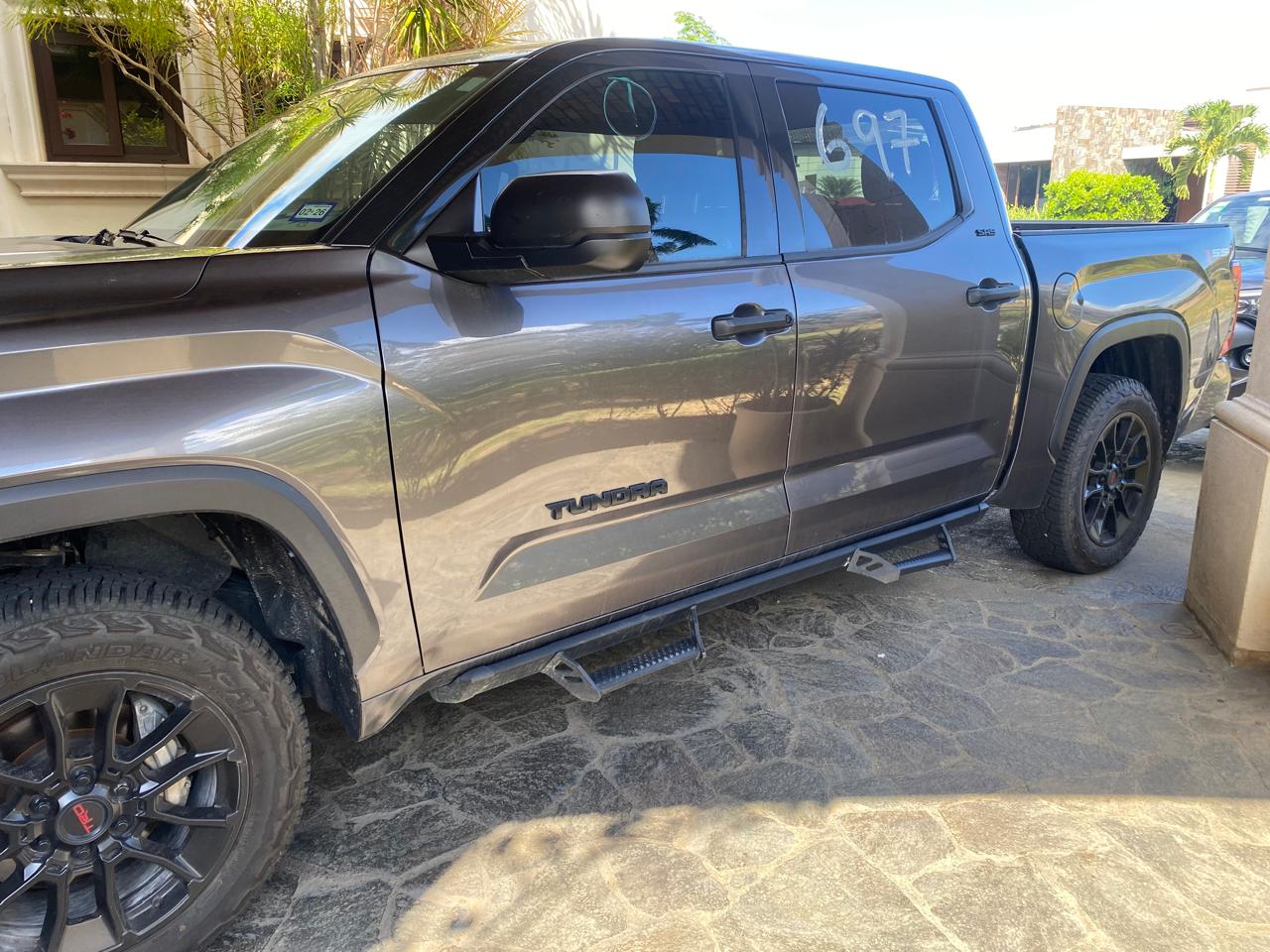
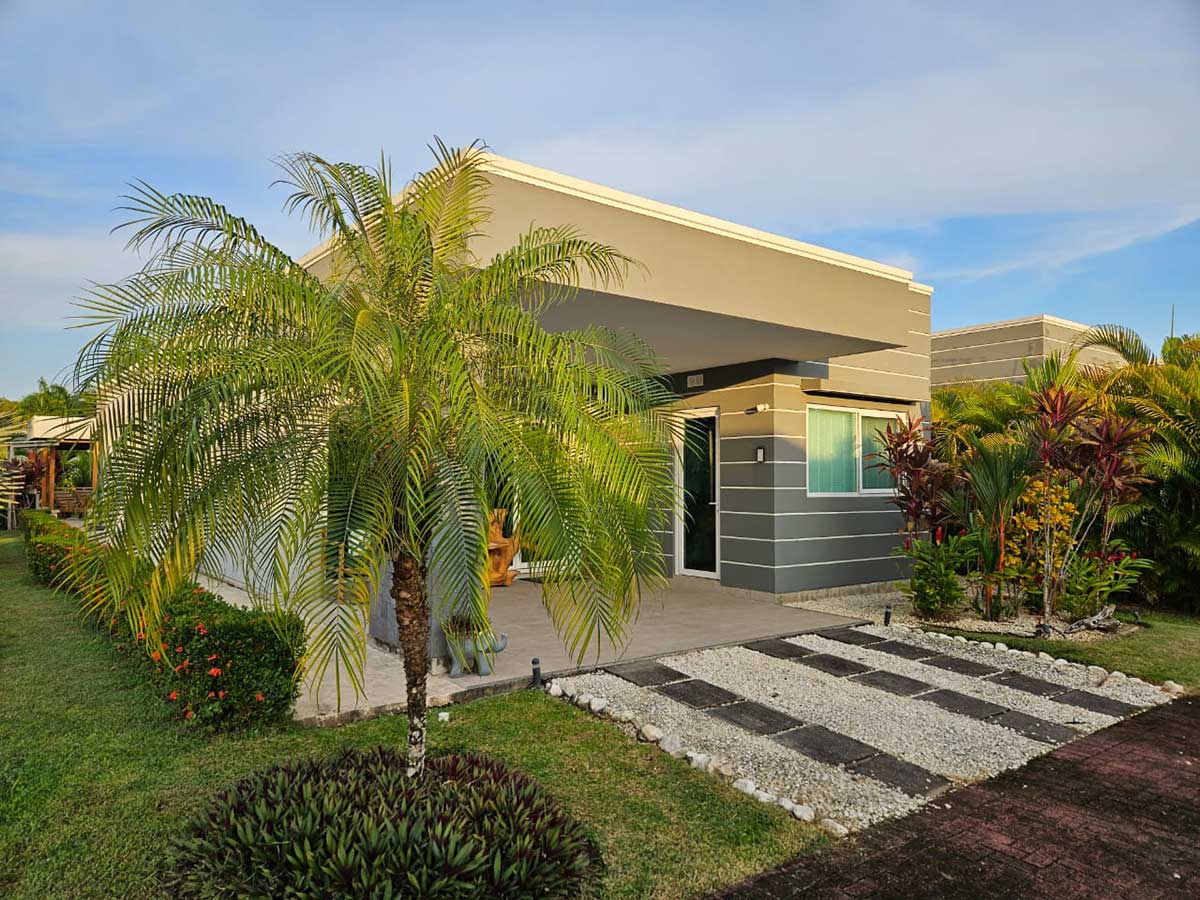
Bringing a car into Costa Rica is a big move! Once your vehicle has cleared customs and the import taxes are paid, you still have a few laps to go before you can hit the road legally.
Here is the step-by-step process for registering your vehicle and getting those license plates.
Step 1: Obtain Your Temporary Title (DUA) Once customs is cleared, the Customs Department issues the DUA (Documento Único Administrativo). This is essentially your vehicle’s temporary title for the first 24 to 48 hours. It allows you to legally transport the car from the customs warehouse to its technical inspection. Pro Tip: Do not leave the warehouse until you double-check that every detail on the DUA matches your vehicle exactly. Even a small typo can take months to correct later!
Step 2: Pass the Technical Inspection (DEKRA) Every vehicle in Costa Rica must pass a safety and emissions inspection (formerly known as RITEVE, now managed by DEKRA). Since the car isn’t registered yet, you must tow or haul it to the inspection station. Once it passes, you’ll receive a temporary inspection certificate needed for the next steps.
Step 3: Hire a Notary to Register with the National Registry Now it’s time for the legal work. You will need to hire a Notary Public to draft a legal deed (escritura). You’ll need to appear in person or provide a Power of Attorney. The notary then files this deed with the National Registry (Registro Nacional) to officially title the car in your name.
Fees: Expect to pay roughly 4.5% of the vehicle’s value in registration costs and legal fees.
Timeline: This usually takes between 5 to 30 days. Once accepted, your car is officially in the system and assigned its permanent license plate number.
Step 4: Pay the Marchamo (Annual Circulation Tax) The Marchamo is the mandatory annual road tax and liability insurance. This is handled by the National Insurance Institute (INS). You’ll need to take your temporary inspection certificate to an INS office or authorized bank to pay this fee and get your paperwork started.
Step 5: Obtain Your License Plates Once the National Registry confirms the registration, you can request your physical license tags. Most people have their Notary handle this part, as they can act as your agent to pick up the metal plates and the registration stickers for you.
Step 6: Get Your Final Inspection Stickers You’re almost there! Once you have your title, your paid Marchamo, and your license plates, you must return to the DEKRA station. They will review your final documents and swap your temporary certificate for the final window sticker (the one that proves your car is 100% legal to drive).
Note: You may need to wait 24-48 hours after registration for the systems to sync before you can get your final Marchamo sticker from the INS office.
Costa Rica’s real estate market is on fire right now. If you’ve been tracking the numbers, you’ll know that property prices across the country jumped by about 7% in 2025 alone. As we move through 2026, the question isn’t just if you should buy, but what you should buy. For most international buyers, the choice boils down to a classic showdown: the sleek, low-maintenance beach condo versus the private, expansive beach house.
But here’s the kicker: the “cheaper” option isn’t always what it seems. While your gut might tell you a condo is the budget-friendly route, the math in 2026 tells a much more nuanced story. Whether you’re a retiree looking for a sunset view or an investor hunting for a high-yield beachfront condo in Costa Rica, you need to look past the sticker price.
Let’s break down the real costs, the hidden fees, and the lifestyle trade-offs so you can decide which path fits your wallet and your dreams.
The Price Tag Reality Check
Beach condos in Costa Rica offer the most accessible entry point for new buyers. If you’re looking to get your foot in the door with a budget of $100,000 to $300,000, condos are your best bet. They’re the “starter kit” for Pura Vida living. However, don’t let that lower total price fool you. On a square-meter basis, condos actually cost about 70% more than detached houses. In 2026, we’re seeing costa rica beach condos averaging around $2,600 per square meter. Talk about a premium for convenience!
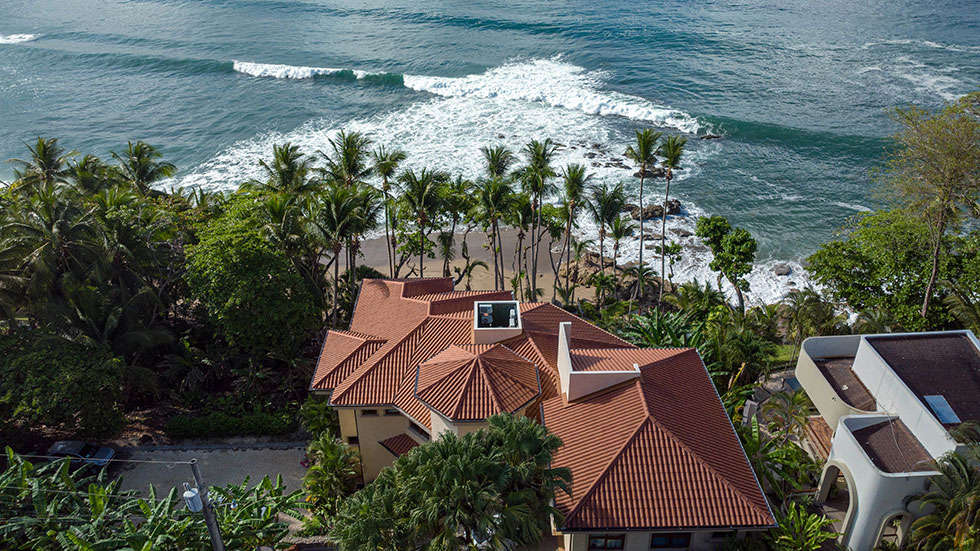
On the flip side, beach houses in costa rica generally start at $400,000 and can easily soar past the $1 million mark in prime spots like Tamarindo or Manuel Antonio. While the total check you write is larger, you’re usually getting way more “dirt” for your dollar. You aren’t just buying a ceiling and four walls; you’re buying the land underneath them. In a world where land is the only thing they aren’t making more of, that’s a huge win for long-term appreciation.
The “Hidden” Monthly Costs: HOA vs. DIY
Monthly carrying costs can make or break your investment faster than a tropical storm. This is where the budget conversation gets real. When you buy a condo, you’re signing up for an HOA (Homeowners Association) fee. In 2026, these range from $200 to $800 a month. It sounds like a lot: and it is! But that fee covers 24/7 security, pool maintenance, landscaping, and often your water and insurance. It’s predictable. You know exactly what’s leaving your bank account every month.
Houses play by different rules. There’s no HOA board telling you what color to paint your door, but there’s also no one helping you pay for the roof leak. Maintenance for a beach house usually eats up 3% to 5% of the property’s value annually. Between the salt air corroding your AC units and the tropical rain testing your gutters, you’ll be spending $500 to $2,000 a month on “keeping things running.”
The coolest part about the house? You’re in control. You decide when to fix things and who to hire. The downside? If the pool turns green while you’re back in the States, it’s on you to fix it. If you’re looking for a “lock-and-leave” lifestyle, the condo wins every time.
Security and the “Peace of Mind” Factor
Security isn’t just a luxury; it’s a budget line item. For many of our clients at Properties in Costa Rica, especially retirees, safety is the top priority. Most beach condos in Costa Rica are located within gated complexes with guards and cameras. This security is “baked into” your HOA fee. It’s incredibly efficient and gives you the freedom to travel for months at a time without worrying about your TV going missing.
Beach houses require a bit more legwork. To get the same level of security, you might need to install your own alarm systems, cameras, or even hire a private caretaker. In popular areas where we operate, like Tamarindo and Uvita, many homeowners opt for a “monitored” security service, which adds another $50–$100 to the monthly budget. If you value total privacy and don’t want neighbors sharing your wall, a house is worth the extra effort. But if you want to be able to close the door and forget about the property for six months, the condo is the clear winner.
Rental Income Potential: Where’s the ROI?
Investors are currently seeing incredible returns in the 2026 rental market. Whether you choose a house or a condo, the short-term rental market (think Airbnb and VRBO) is booming. But the way you earn that money is super different.
Condos: These are the workhorses of the rental market. They’re easy to market, easy to clean, and tourists love the amenities like shared pools and gym access. You can expect a steady rental income of $150–$400 per night, yielding an annual return of 4% to 7%.
Houses: If you want to crush it in the luxury market, houses are the way to go. A private villa with a pool in a place like Uvita can fetch $300 to $1,000+ per night. The ROI here is higher: often between 6% and 12%: because you’re offering something a condo can’t: total exclusivity.
If you’re curious about how to fund these types of investments, you might want to check out 3 ways you can finance your property. It’s not always about having the cash upfront!
Location Spotlight: Tamarindo vs. Uvita
Where you buy matters just as much as what you buy. At Properties in Costa Rica, we have offices in both Tamarindo and Uvita, and the markets couldn’t be more different.
Tamarindo is the king of the costa rica beach condos market. It’s high-energy, walkable, and packed with amenities. If you buy a condo here, it’ll likely stay booked all year round. It’s a “safe” bet for investors who want liquidity.
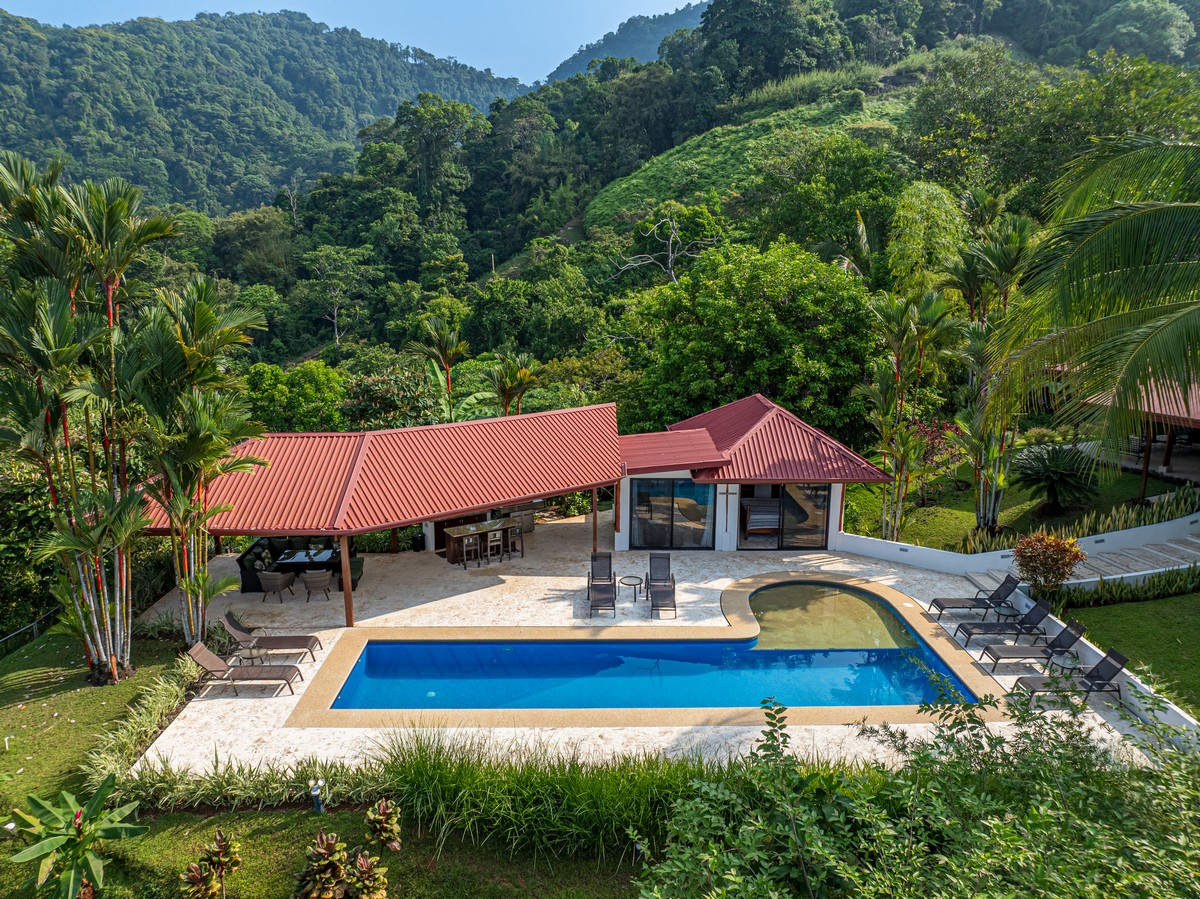
Uvita, on the other hand, is the land of the jungle-view beach house. People come here for the “Whale’s Tail” and the rugged beauty of the South Pacific. You’ll find more sprawling estates and eco-friendly homes here. If you’re looking for a luxury estate with space to breathe, Uvita is calling your name.
2026 Comparison Table: At a Glance
Feature
Beach Condos
Beach Houses
Initial Budget
$100K – $300K
$400K – $1M+
Cost per Sq. Meter
Higher (~$2,600)
Lower
Maintenance
Included in HOA
3-5% of value annually
Security
24/7 Gated (Included)
Private (Extra cost)
Rental Yield
4% – 7%
6% – 12%
Management
Hands-off
Hands-on
Which One Should You Choose?
The “power move” for many of our clients is starting with a condo. If you’re new to the Costa Rican market, buying a condo lets you test the waters without the stress of managing a full construction or a complex maintenance schedule. You can learn the local laws, figure out which beach you actually love, and build equity. Many people hold a condo for 3–5 years and then “level up” to a house once they’ve built a local network of trusted contractors and property managers.
However, if you have the capital now and you’re looking for a 10-year investment horizon, go for the house. The land appreciation in beachfront areas is simply unbeatable. Talk about a wealth builder!
Final Thoughts
Whether you go for a condo or a house, the most important step is having a team that knows the ground. At Properties in Costa Rica, we’ve been helping international buyers navigate these waters for years. We don’t just show you houses; we show you a lifestyle. From the bustling streets of Escazú to the quiet shores of the Caribe, we know every nook and cranny of this beautiful country.
Ready to start your search? Don’t wait for prices to climb another 7%. Contact us today and let’s find your perfect slice of paradise. Whether it’s a modern beachfront condo or a private jungle retreat, we’ve got the keys waiting for you.
Wait, what about financing? If you’re wondering how to make the budget work, don’t forget that there are investment strategies specifically tailored for the Costa Rican market. Your dream home is closer than you think!
Ever dreamed of waking up to tropical breezes, sipping coffee with a view of misty mountains, and calling Costa Rica home? You’re not alone. Thousands of expats have made the move, and one of the most popular paths is through Costa Rica investor residency by buying property.
Here’s the exciting part: investing in real estate here doesn’t just get you a piece of paradise: it opens the door to legal residency, the freedom to run a business, and eventually, permanent residency or even citizenship. If you’ve been Googling “residency in Costa Rica by buying property” at 2 a.m., this guide is for you.
What Is Costa Rica Investor Residency?
Costa Rica’s Investor (Inversionista) Residency program is designed for people who want to make a meaningful financial investment in the country. It’s one of several residency categories, but it’s particularly attractive if you’re already planning to buy real estate here.
The program grants you temporary residency for two years, which you can renew as long as you maintain your investment. You can work remotely, run your own business, and even bring your family along. What you can’t do is earn a local salary from a Costa Rican employer: but for digital nomads, retirees, and entrepreneurs, that’s rarely a dealbreaker.
The Investment Requirement: What You Need to Know
Here’s where things get real: as of February 2026, the minimum investment requirement is USD $200,000. The threshold was previously $150,000, so if you’ve seen older articles or forum posts mentioning that amount, they’re outdated. Immigration rules do change, and this increase reflects Costa Rica’s growing real estate market and popularity among international investors.
Your $200,000 investment can take several forms:
Real estate (homes, condos, land, commercial property)
Shares in an operational Costa Rican corporation
Costa Rican stock market investments
A down payment on mortgaged property (if the down payment reaches $200,000)
Most people choose real estate because it’s tangible, can generate rental income, and gives you a place to actually live or vacation. Whether you’re eyeing a beachfront condo in Guanacaste, a mountain retreat in the Central Valley, or an ocean-view property, the investment counts toward your residency qualification.
The Golden Rule: Personal Name Ownership
Here’s a critical requirement that trips up some investors: your property must be registered in your personal name, not through a corporation.
Many Costa Rica properties are held in corporations (sociedades anónimas) for legitimate tax and administrative reasons. That’s totally fine for regular property ownership: but it doesn’t qualify for investor residency. The immigration authorities want to see your name on the property title, not a corporate entity.
If you’re buying property specifically for residency purposes, make sure your real estate attorney structures the purchase correctly from day one. Converting corporate-owned property to personal ownership later can be complicated and expensive.
What You Get: The Benefits Package
So what exactly does investor residency give you? Quite a bit, actually.
Temporary Residency for Two Years Your initial permit lasts two years and is renewable indefinitely as long as you maintain the $200,000 investment. You’ll get a Costa Rican cédula (ID card) that makes banking, renting vehicles, and daily life much smoother.
Work Freedom (With Limits) You can run your own business, work remotely for foreign companies, and generate income outside Costa Rica. What you can’t do is accept a salary from a Costa Rican employer. That requires a different type of work permit.
Bring Your Family Your spouse and dependent children can be included in your application. They’ll pay separate government fees (around USD $1,685 per dependent versus $2,815 for the main applicant), but they get the same residency benefits.
Healthcare Access You’ll enroll in Costa Rica’s social security system (Caja), which gives you access to the public healthcare system. Many expats also maintain private health insurance for faster access to specialists and private hospitals.
Annual Visit Requirement To maintain temporary investor residency, you only need to visit Costa Rica once per year for a minimum of one day. That’s it. You’re not required to live here full-time, which makes this program attractive for people splitting time between countries.
The Path Forward: Permanent Residency and Citizenship
Here’s where it gets even better. Investor residency isn’t just a temporary status: it’s a pathway to permanent residency and eventually citizenship if you want it.
Permanent Residency After Three Years After three consecutive years of temporary residency with a minimum of 180 days physical presence per year, you can apply for permanent residency. Permanent residency is valid for five years and renewable indefinitely. The annual visit requirement drops to just 72 hours per year.
Citizenship After Seven Years If you’ve maintained residency for seven years total, you can apply for Costa Rican citizenship through naturalization. The good news? Costa Rica allows dual citizenship, so you don’t have to give up your original passport.
To qualify for citizenship, you’ll need to demonstrate Spanish proficiency (both spoken and written) and pass a test on Costa Rican history and values. You’ll also need two character witnesses who are Costa Rican citizens. However, applicants over 65 years old are exempt from the language and history requirements: a nice bonus for retirees.
For citizenship, you’ll need to spend over 183 days annually in Costa Rica, so it’s a real commitment.
Required Documents: Getting Your Paperwork in Order
Immigration applications involve paperwork: there’s no way around it. Here’s what you’ll need:
Clean Criminal Record You’ll need a police clearance certificate from your home country (and any country where you’ve lived for more than two years as an adult). These documents must be recent, properly apostilled, and officially translated into Spanish.
Birth Certificate An official birth certificate, apostilled and translated into Spanish.
Consular Registration You’ll register with your country’s consulate in Costa Rica as part of the process.
Proof of Investment Property deeds, bank statements, and documentation proving your $200,000 investment.
All foreign documents need to be apostilled (or legalized if your country doesn’t participate in the Hague Apostille Convention) and officially translated by a certified translator in Costa Rica. This process takes time, so start early.
Processing times typically run 6 to 12 months from application to approval. Government fees total around $2,815 for the main applicant and $1,685 for each dependent.
Maintaining Your Investment and Registration
Two critical ongoing requirements:
Keep Your Investment Active You must maintain the $200,000 investment throughout your temporary residency period. If you sell the property before obtaining permanent residency, you risk losing your residency status.
Stay Current With Social Security You’ll need to maintain your Caja (social security) registration and make monthly payments. These payments give you healthcare access and keep your residency in good standing.
Finding Your Qualifying Property
Ready to start your property search? Costa Rica offers incredible diversity: from beachfront homes to Central Valley estates, from modern condos near amenities to mountain retreats surrounded by nature.
At Properties in Costa Rica, we specialize in helping international buyers find properties that meet their residency goals. We can connect you with properties across the country, whether you’re drawn to the Pacific coast, Caribbean side, or the temperate Central Valley around San José.
We also work with experienced immigration attorneys who can guide you through the residency application process and make sure your property purchase is structured correctly from the start.
A Quick Disclaimer (Because We Care)
Immigration laws can and do change. The information in this article reflects current requirements as of February 2026, but Costa Rica’s immigration department (Dirección General de Migración y Extranjería) updates regulations periodically.
Always consult with a qualified Costa Rican immigration attorney before making investment decisions based on residency requirements. They’ll give you personalized advice based on your specific situation and the most current rules.
Your Next Steps
Getting Costa Rica investor residency through property investment is a straightforward process if you plan carefully and work with the right professionals. The $200,000 investment opens doors to temporary residency, business opportunities, and eventually permanent status or citizenship.
If you’re serious about making the move, start by exploring qualifying properties and connecting with an immigration attorney. The sooner you begin, the sooner you’ll be calling Costa Rica home.
Want to see what’s available in your price range? Contact our team and let’s start finding your perfect property. Pura vida awaits.
If you’ve been exploring costa rica central valley real estate, you’ve probably noticed two names that keep popping up: Escazú and Santa Ana. These aren’t just random suburbs west of San José: they’re the heavyweight champions of the Central Valley property market, and they’re not slowing down anytime soon.
What makes these areas so special? It’s not just one thing. It’s the perfect storm of location, lifestyle, amenities, and investment potential that keeps expats, retirees, and savvy investors coming back for more. Let’s break down exactly why Escazú and Santa Ana continue to dominate the real estate scene.
1. You’re Minutes From Everything That Matters
Location isn’t just important: it’s everything. Escazú sits just 10-15 minutes from downtown San José, while Santa Ana’s about 20 minutes out. That means you’re close enough to the capital for work, shopping, and culture, but far enough to avoid the chaos.
And here’s the kicker: Juan Santamaría International Airport? It’s a breeze to reach from both areas. Whether you’re jetting off for a quick trip or picking up visiting family, you’ll appreciate not spending hours in traffic. Major highways connect these areas seamlessly, making your daily commute actually bearable (imagine that!).
2. Your Investment Actually Grows Here
Let’s talk numbers, because they don’t lie. Santa Ana’s real estate market has been crushing it with expected growth of 5-8% annually through 2025. That’s not just inflation: that’s real appreciation.
Check this out: average property prices in Santa Ana jumped from $400,000 in 2022 to $480,000 by mid-2024. Prime locations? They’re commanding 25-30% premiums over standard properties. If you’re looking at costa rica central valley real estate as an investment, these areas have a proven track record of delivering returns.
3. World-Class Shopping Without Leaving Town
Forget settling for limited options. Escazú and Santa Ana bring the shopping game to your doorstep. We’re talking Avenida Escazú, Multiplaza Escazú, and Momentum Pinares: massive complexes packed with international boutiques, gourmet restaurants, movie theaters, and everything in between.
You can grab your morning coffee at a trendy café, pick up groceries at a modern supermarket, shop for designer brands, and catch a movie: all in one place. It’s the kind of convenience that makes daily life feel less like a chore and more like a lifestyle.
4. Education and Healthcare You Can Trust
If you’ve got kids or you’re thinking about the long term, this matters big time. Both areas are home to top-tier international schools like the American School and Blue Valley School. Your kids won’t miss a beat in their education, and they’ll be surrounded by multilingual, multicultural environments.
Healthcare? World-class private hospitals like CIMA Hospital and Clínica Bíblica are right here. These aren’t just clinics: they’re full-service medical centers with specialists, modern equipment, and English-speaking staff. It’s the peace of mind you can’t put a price on.
5. Rental Income Is Strong and Steady
Here’s something investors love: high rental demand that doesn’t quit. Foreign executives, expats, tourists, and affluent Costa Ricans all want to live in these areas. That creates consistent rental opportunities whether you’re looking at long-term leases or vacation rentals.
The popularity with international residents means your property won’t sit empty. You’ll have a steady stream of potential tenants who appreciate quality and are willing to pay for it.
6. Every Type of Property You Can Imagine
Looking for a luxury villa? Check. Modern condo with amenities? Got it. Gated community with a clubhouse and pool? Absolutely. Land to build your dream home? You bet.
The diversity in costa rica central valley real estate options here is incredible. Whether you’re a first-time buyer, a retiree downsizing, or a developer looking for your next project, Escazú and Santa Ana have what you need. You’re not forced into a one-size-fits-all situation: you can actually find exactly what matches your vision and budget.
7. Security Isn’t Optional: It’s Standard
Safety matters, especially when you’re relocating internationally. These areas get it. Gated communities with 24/7 security, controlled access, and surveillance systems are the norm, not the exception.
Beyond the gates, you’ll find private parks, swimming pools, clubhouses, tennis courts, and green spaces that create resort-style living. It’s the kind of secure environment where you can relax, let your kids play outside, and not constantly worry about safety.
8. Old Meets New in the Best Way
Escazú has this unique thing going on where you’ll find charming Spanish colonial-style homes in Escazú Centro sitting right alongside sleek modern developments and contemporary office buildings. It’s like living in a place that respects its roots while embracing the future.
Santa Ana brings its own vibe with newer developments and cutting-edge architecture. The mix creates neighborhoods with character and personality: not cookie-cutter suburbs where everything looks the same.
9. The Quality of Life Here Is Next Level
This isn’t just about real estate: it’s about how you actually live day-to-day. Modern amenities? Check. Upscale restaurants and cafés? Everywhere. Private clubs, fitness centers, parks, and entertainment? All within reach.
The lifestyle these areas offer justifies the premium prices. You’re not just buying a house: you’re buying access to a complete ecosystem of convenience, culture, and community. Weekend farmers markets, art galleries, live music venues, and outdoor activities are all part of the package.
10. Sustainability Actually Matters Here
Costa Rica takes environmental protection seriously, and Escazú’s leading the charge with sustainable construction initiatives and ecological projects. Developers here are balancing urban progress with environmental responsibility: think green building materials, energy-efficient designs, and preservation of natural spaces.
If you care about living somewhere that’s thinking long-term about the planet, you’ll appreciate this commitment to sustainability. It’s not just greenwashing: it’s built into the development philosophy of the region.
Why This Matters for Your Search
So what does all this mean if you’re seriously considering costa rica central valley real estate? It means Escazú and Santa Ana aren’t popular by accident. They’ve earned their reputation through consistent delivery on what matters most: location, lifestyle, investment potential, and quality of life.
Whether you’re planning to relocate full-time, looking for a retirement destination, or wanting a property that generates rental income, these areas check all the boxes. They’re not the cheapest options in Costa Rica, but they’re priced for what they deliver: and the market keeps proving their value year after year.
Ready to explore what’s available in Escazú and Santa Ana? Browse our Central Valley listings or get in touch with us: we’d love to help you find your perfect property in Costa Rica’s most sought-after neighborhoods.
You’ve done it. You’ve traded your old life for something extraordinary – beach living in Costa Rica. Whether you’re a retiree who’s finally escaped the corporate grind, a digital nomad chasing the perfect work-life balance, or an expat ready for adventure, you’re about to discover what “pura vida” really means when you’re living it every single day.
But here’s the thing – moving to paradise isn’t just about posting sunset photos on Instagram (though you’ll definitely do that). It’s about completely reimagining how you want to spend your days, weeks, and years. The good news? You’ve got endless possibilities. The challenge? Figuring out how to make the most of this incredible opportunity.
Embrace the Pura Vida Rhythm (It’s Different Than You Think)
First things first – forget everything you think you know about productivity and schedules. Costa Rican beach life operates on what locals call “tico time,” and fighting it will only stress you out. Instead of checking emails at 6 AM, you might find yourself swimming before sunrise, watching howler monkeys swing through the trees during your coffee break, or planning your day around the tides.
The magic happens when you stop rushing and start flowing. Your new rhythm might look like morning surf sessions, afternoon siestas during the hottest part of the day, and evening walks along the shoreline. This isn’t laziness – it’s intelligent living that matches the natural environment you’ve chosen.
Find Your Perfect Beach Community Match
Not all Costa Rican beach towns are created equal, and choosing the right one for your lifestyle makes all the difference. Each has its own personality, and you’ll want to pick the one that matches yours.
If you’re social and love variety, Tamarindo’s your spot. This town buzzes with international cuisine, coworking spaces, and a thriving expat community. You’ll never run out of people to meet or restaurants to try. The nightlife’s energetic, and there’s always something happening.
Want the best of both worlds? Samara offers that sweet spot – small enough to walk everywhere but large enough for proper grocery stores, cafés, and restaurants. The naturally protected waters are perfect for swimming without worrying about dangerous currents.
Craving spiritual vibes and world-class surfing? Nosara’s calling your name. Famous for yoga retreats and consistently excellent waves, this town attracts people serious about both inner peace and outdoor adventure.
Need complete tranquility? Consider Playa Panama or Playa Matapalo. These spots offer modern amenities while maintaining that secluded, off-the-beaten-path feeling that makes you feel like you’ve discovered a secret.
Create New Daily Routines That Actually Stick
Living at the beach means your old routines probably won’t work anymore. And that’s fantastic news! You get to design days that actually make sense for your new environment and goals.
Most successful beach dwellers develop routines around the natural rhythms of coastal life. Mornings are golden – literally. The light’s incredible, the temperatures are comfortable, and the energy’s fresh. This is when locals swim, when the best surf happens, and when you’ll want to tackle anything requiring focus.
Your afternoon routine might include embracing the heat rather than hiding from it. Think beachfront lunch spots, afternoon snorkeling sessions, or exploring those hiking trails when the tourist crowds have retreated to air conditioning.
Evenings become social time. This is when families gather on the beaches, when the sunset-watching crowds appear, and when restaurants come alive with that perfect ocean breeze.
Connect With Local Culture (Beyond Tourist Activities)
Real beach life in Costa Rica means becoming part of the community, not just living alongside it. Start by learning some basic Spanish – even simple greetings and thank-yous will open doors and hearts. Many coastal towns offer Spanish classes specifically designed for expats and retirees.
Shop at local markets instead of just tourist-friendly supermarkets. You’ll discover incredible fresh produce, meet local vendors who become friends, and save serious money. Plus, you’ll start understanding how Costa Ricans approach food, family, and community.
Join local activities that interest you. Many beach towns have soccer leagues, volunteer conservation groups, or community gardening projects. These aren’t just activities – they’re your gateway to understanding how your new neighbors think, what they value, and how you can contribute.
Master the Practical Stuff (So You Can Focus on Living)
Let’s talk logistics. Most established beach towns now offer supermarkets, medical clinics, fiber-optic internet, and restaurants ranging from beachfront grills to sushi bars. This infrastructure makes remote work totally feasible while keeping your life comfortable.
Set up your essentials first: reliable internet if you work online, a relationship with a local clinic or doctor, and banking that works for your situation. Many expats recommend opening a local bank account early – it simplifies everything from paying utilities to getting better rates on services.
Transportation matters more than you might think. Many beach towns are perfectly walkable or bikeable for daily life, but having a plan for longer distances – whether that’s a reliable taxi driver, car rental relationships, or eventually buying a vehicle – prevents you from feeling trapped.
Navigate the Seasons Like a Local
Costa Rica’s beach life changes dramatically between dry and rainy seasons, and each has its magic. During dry months (December through April), you’ll experience the social side of coastal life. Towns buzz with activity, beaches fill with families, and the energy’s infectious.
But don’t write off rainy season (May through November). This is when you’ll see Costa Rica’s incredible natural beauty without the crowds. Rain usually comes in afternoon downpours, leaving mornings and evenings clear. Many longtime expats actually prefer this season – it’s greener, cooler, and more introspective.
Use seasonal changes as opportunities to explore different aspects of your new life. Dry season might mean more beach socializing and water sports, while rainy season could be perfect for learning new skills, diving deeper into hobbies, or taking those Spanish classes.
Embrace Mindful Living (It Happens Naturally Here)
Something magical happens when you live steps from the ocean. The constant sound of waves, the endless horizon, and the rhythm of tides naturally slow down your mental pace. Many beach residents find themselves becoming more mindful without even trying.
Take advantage of this natural mindfulness boost. Morning beach walks become moving meditation. Sunset watching isn’t just pretty – it’s a daily reminder to pause and appreciate the moment. Even routine activities like grocery shopping or checking email feel different when you can see the ocean from your window.
This environment also makes you more aware of natural cycles. You’ll start noticing moon phases because they affect tides. You’ll pay attention to weather patterns because they impact your daily activities. This connection to natural rhythms often leads to better sleep, reduced stress, and a general sense of being more grounded.
Build Your New Social Circle
Beach life attracts interesting people from around the world, and building friendships here often happens more naturally than in traditional suburban or city environments. Shared experiences – watching incredible sunsets, dealing with tropical weather, navigating cultural differences – create fast bonds.
Look for expat groups, but don’t limit yourself to them. Many beach towns have Facebook groups for residents, weekly meetups at local bars or restaurants, or organized activities like beach volleyball or book clubs. The key is showing up consistently and being genuinely interested in others’ stories.
Remember that your new neighbors come from incredible diverse backgrounds. That retired teacher from Canada might become your Spanish conversation partner. The German couple who opened a café could introduce you to the best hiking spots. The Costa Rican family next door might teach you more about local culture than any guidebook ever could.
Make the Most of Your Second Act
Living at the beach in Costa Rica isn’t just a change of scenery – it’s a chance to redefine what your life looks like. Whether you’re 35 or 75, you’ve given yourself permission to prioritize happiness, adventure, and authenticity over convention.
Take time to reflect on what this transition means for you. What aspects of your old life do you want to keep? What do you want to leave behind permanently? What new dreams can you pursue now that you have more time, better weather, and fewer distractions?
Many successful beach transplants say their biggest regret is not making the move sooner. They wished they’d spent less time planning and worrying and more time actually living this dream. You’re already here – now make it count.
Your beach life in Costa Rica isn’t just about where you live now; it’s about who you’re becoming. Every morning you wake up to ocean sounds, every afternoon you have the choice to dive into warm water, and every evening you get to watch one of the world’s most spectacular sunsets from your new home.
That’s not just a change of address. That’s a completely different way of being alive. Welcome to your new life – now go live it to the fullest.
Christmas in Costa Rica isn’t your typical snowy, fireplace-cozy holiday celebration. Instead, picture 80-degree weather, beach barbecues, and nativity scenes made from tropical flowers. For expats and property owners living in beach houses in Costa Rica or settled into costa rica gated communities, the holiday season here offers something completely unique – a warm-weather Christmas that blends deep Catholic traditions with laid-back tropical vibes.
Whether you’re considering investing in central valley real estate costa rica or already own beach condos in costa rica, understanding how locals celebrate Christmas can help you appreciate what makes this country such an incredible place to call home during the holidays.
The Heart of Costa Rican Christmas: Family, Faith, and Festivities
Costa Rica’s Christmas celebration revolves around December 24th – Christmas Eve or “La Nochebuena.” This isn’t just another evening; it’s the main event where families reunite, sometimes traveling from across the country to gather in one home. The religious foundation runs deep here, with over 75% of Costa Ricans identifying as Catholic, making Christmas a profoundly spiritual time.
The centerpiece of every Costa Rican home during Christmas is the “Portal” or nativity scene. These aren’t your simple store-bought displays – families craft elaborate scenes with figurines, tropical plants, and offerings of fruits. Here’s the cool part: the Baby Jesus figure doesn’t go into the manger until Christmas Eve, and the Three Wise Men slowly move closer to the scene throughout December before turning away after the holiday ends.
How Expats Experience Christmas in Costa Rica
For expats living in gated community costa rica developments or beachfront properties, Christmas offers a refreshing break from traditional holiday stress. Many discover that the warm weather and relaxed atmosphere actually enhance the holiday spirit rather than diminish it.
Sarah Martinez, who owns a beach house in Guanacaste, shares: “I thought I’d miss snow and cold weather, but celebrating Christmas on the beach with a barbecue and ocean breeze? It’s incredible. Our gated community costa rica neighbors invited us to their traditional Christmas Eve dinner, and now it’s become our favorite holiday tradition.”
The beauty of celebrating Christmas in Costa Rica lies in the community aspect. Gated communities often organize holiday events, potluck dinners, and group celebrations that bring together locals and international residents. This creates an authentic cultural exchange that you simply can’t get from a resort vacation.
Christmas Eve: The Main Celebration
December 24th kicks off with preparation for the evening’s festivities. Families spend the day cooking traditional dishes like tamales wrapped in plantain leaves, roast pork, rice, and the famous Tres Leches cake. The aroma of coffee mixed with cinnamon and rum – called rompope – fills homes throughout the country.
At midnight, families attend “Misa de Gallo” (Mass of the Rooster). This two-hour religious service marks the official beginning of Christmas Day. After mass, families return home for the main feast, often eating until 2 or 3 AM while children eagerly wait to see what “Niño Dios” (Baby Jesus) left in their shoes.
For property owners in beach condos in costa rica, this tradition takes on a special flavor. Many beachfront communities organize communal Christmas Eve celebrations on the beach, complete with traditional food, live music, and midnight mass under the stars.
Las Posadas: A Walking Tradition
Starting around December 15th, Costa Ricans participate in “Las Posadas,” a beautiful tradition that reenacts Mary and Joseph’s search for shelter. Groups walk from house to house singing Christmas carols and asking for “posada” (shelter).
This tradition is particularly strong in costa rica gated communities where neighbors already know each other well. The walking procession creates a sense of community that many expats find deeply moving. Properties in established neighborhoods often become regular stops during Las Posadas, giving homeowners a chance to participate in authentic Costa Rican culture.
Benefits for Different Property Types
Beach House Owners
Owning beach houses in costa rica during Christmas means experiencing the holiday with ocean breezes and stunning sunsets. Many beach communities organize group celebrations, beach bonfires, and even midnight mass right on the sand. The December weather is perfect – dry season with temperatures in the 80s during the day and comfortable 70s at night.
Beach house owners often find themselves hosting friends and family who want to escape cold northern winters. This makes beach properties excellent rental investments during the holiday season, with many owners booking their properties months in advance for Christmas and New Year’s celebrations.
Gated Community Residents
Costa rica gated communities shine during Christmas season. These planned communities often organize elaborate holiday celebrations, including:
Community-wide Christmas Eve dinners
Holiday decorating contests
Group attendance at local midnight mass
New Year’s Eve parties with live music
Children’s gift exchanges
The security and community atmosphere of gated developments make them ideal for hosting extended family visits during the holidays. Many communities have clubhouses, pools, and common areas perfect for large family gatherings.
Central Valley Property Owners
Central valley real estate costa rica offers a different Christmas experience – cooler mountain air and proximity to San José’s major holiday events. The Central Valley hosts the country’s largest Christmas celebrations, including the famous December 27th Carnaval Nacional parade featuring elaborate floats, dance groups, and street festivals.
Central Valley properties often appreciate during December as Costa Ricans from beach areas come to the capital for shopping and celebrations. This creates rental opportunities for property owners and increases local business activity.
Holiday Festivals and Extended Celebrations
Costa Rica’s Christmas season doesn’t end on December 25th. The festivities continue through early January with several major events:
El Tope (December 26th): A massive horseback parade where riders dress in traditional Costa Rican clothing and parade through major cities. This celebration showcases the country’s agricultural heritage and provides incredible photo opportunities for residents and visitors.
Carnaval Nacional (December 27th): San José transforms into a party zone with street festivals, live music, food vendors, and cultural performances. Property owners in the Central Valley have front-row seats to this spectacular celebration.
Three Kings Day (January 6th): The official end of Christmas season, when children receive their final gifts and families take down their nativity scenes.
Traditional Foods and Drinks
Costa Rican Christmas cuisine reflects the country’s agricultural abundance. Traditional dishes include:
Tamales: Corn dough filled with pork or chicken, wrapped in plantain leaves
Queque Navideño: Spiced Christmas cake with rum and tropical fruits
Tres Leches: Sponge cake soaked in three types of milk
Rompope: Costa Rican eggnog with coffee and rum
Agua Dulce: Sweet drink made from sugar cane
Many beach condos in costa rica communities organize cooking classes during December, teaching expat residents how to prepare traditional holiday dishes. This creates lasting friendships and cultural connections that enhance the property ownership experience.
Weather Advantages
December marks the beginning of Costa Rica’s dry season, making it perfect for outdoor celebrations. While northern climates deal with snow and freezing temperatures, Costa Rica enjoys:
Average temperatures of 75-85°F (24-29°C)
Minimal rainfall
Clear, sunny skies perfect for beach and outdoor activities
Comfortable evening temperatures for late-night celebrations
This weather advantage makes Christmas in Costa Rica particularly appealing for property owners who can enjoy outdoor spaces, pools, and terraces throughout the holiday season.
Investment Opportunities During Christmas
The holiday season creates excellent opportunities for property owners:
Vacation Rentals: December and early January are peak rental seasons, with properties often booked at premium rates by families escaping cold weather.
Long-term Appreciation: Properties in areas with strong Christmas traditions and community celebrations tend to appreciate faster, as these cultural connections create emotional value for buyers.
Community Building: Participating in local Christmas traditions helps property owners integrate into communities, creating networks that enhance both personal enjoyment and property value.
Creating Your Own Costa Rican Christmas Tradition
Whether you own property in a gated community costa rica development or a beachfront condo, Christmas in Costa Rica offers the perfect opportunity to create new family traditions. Many expat families find that combining Costa Rican customs with their own cultural backgrounds creates meaningful holiday celebrations that their children remember for life.
The key is embracing both the religious significance and community spirit that defines Costa Rican Christmas. Attending midnight mass, participating in Las Posadas, and sharing traditional foods with neighbors creates connections that go far beyond property ownership – they create a true sense of home in paradise.
Christmas in Costa Rica proves that the holiday spirit isn’t about snow and fireplaces – it’s about family, community, and gratitude. For property owners here, that means celebrating the season in 80-degree weather with ocean breezes, tropical flowers, and some of the warmest, most welcoming people in the world.
Costa Rica’s Central Valley isn’t just another expat destination – it’s the sweet spot where perfect weather meets killer internet speeds. If you’re a remote worker dreaming of swapping your cubicle for cloud forest views, you’re looking at the country’s economic heartbeat. San José sits right here, along with 60% of Costa Rica’s population and most of its tech infrastructure.
But here’s what most people don’t know: costa rica central valley real estate offers way more bang for your buck than those Instagram-famous beach towns. We’re talking about reliable fiber optic internet, year-round spring-like temperatures, and housing costs that won’t demolish your remote work budget.
Why Remote Workers Are Flocking to Central Valley
The internet situation here crushes most beach locations. While coastal areas struggle with connectivity issues during rainy season, Central Valley cities like Escazú, Santa Ana, and Heredia maintain rock-solid fiber optic networks. You’ll get download speeds of 100+ Mbps for around $50-70 monthly – that’s faster and cheaper than what you’re probably paying back home.
The elevation here (around 3,000-4,000 feet) creates something magical: eternal spring weather. Temperatures hover between 68-78°F year-round. No AC needed. No heating bills. Just open your windows and enjoy what locals call “the land of eternal spring.”
Time zones work in your favor too. Central Valley operates on Central Standard Time, putting you just one hour behind the U.S. East Coast and three hours ahead of the West Coast. Perfect for those morning video calls with New York or afternoon check-ins with California clients.
Housing Costs That Actually Make Sense
Forget what you’ve heard about expensive expat areas. While gated communities costa rica can run $1,500-3,000 monthly for rentals, you’ve got plenty of middle-ground options. A modern two-bedroom apartment in Escazú or Santa Ana runs $800-1,200 monthly. That same money gets you a closet-sized studio in most U.S. cities.
Here’s the breakdown for costa rica central valley real estate:
Budget-friendly apartments: $500-800/month in areas like Tibás or Moravia
Mid-range condos: $800-1,500/month in Escazú, Santa Ana, or Heredia
Luxury gated community costa rica properties: $1,500-3,500/month
House purchases: $150,000-500,000 for modern homes with great internet
The cool part? Many properties come semi-furnished, saving you thousands on setup costs. Plus, utilities run incredibly cheap – we’re talking $50-100 monthly for electricity, water, and internet combined.
Best Neighborhoods for Digital Nomads
Santa Ana leads the pack for remote workers. This upscale suburb offers everything from modern apartment complexes to gated communities costa rica style, plus it’s home to several international companies. The internet infrastructure here rivals Silicon Valley, and you’re 20 minutes from San José’s airport.
Escazú comes in a close second. Known as Costa Rica’s Beverly Hills, it attracts loads of expats and offers premium amenities. Shopping centers, international restaurants, and co-working spaces make this area super convenient for remote work life.
Heredia surprises many people. This university town combines affordable living with excellent internet speeds. You’ll find younger crowds, great coffee shops for working, and easy access to both San José and the mountains. Plus, rent costs 30-40% less than Santa Ana or Escazú.
Atenas wins for climate fanatics. National Geographic once called it one of the world’s best climates. It’s quieter than the other options but still maintains solid internet connectivity. Check out our Atenas properties for mountain view options.
Gated Communities vs. Regular Housing
Gated communities costa rica offer security and amenities that regular apartments can’t match. You’re looking at 24/7 security, community pools, tennis courts, and often business centers with backup internet. Monthly fees typically run $100-300, but you get peace of mind and resort-style living.
The downside? You’ll pay 20-40% more for gated community costa rica properties, and you might feel disconnected from local culture. Many remote workers start in gated communities for the first year, then move to regular neighborhoods once they’re comfortable.
Regular neighborhoods offer authentic experiences. You’ll save money, meet more locals, and really experience Costa Rican culture. The trade-off is handling your own security and potentially dealing with less reliable utilities.
Central Valley vs. Beach Properties: The Real Talk
Beach houses in costa rica look amazing on Instagram, but they’re not always practical for remote work. Internet speeds drop significantly in many coastal areas. Power outages happen more frequently. And don’t get me started on the humidity’s effect on electronics.
Beach condos in costa rica can work if you choose carefully. Places like Manuel Antonio or Jacó offer decent infrastructure, but you’ll pay premium prices for reliable internet. Plus, the party atmosphere might not match your productivity goals.
Central Valley gives you the best of both worlds – you can work efficiently during the week and hit the beach on weekends. Drive times to either coast run 2-4 hours, making beach trips totally doable.
Legal Requirements You Can’t Ignore
Costa Rica’s Digital Nomad Visa makes everything official. You’ll need to prove $3,000 monthly income ($4,000 if bringing family) from sources outside Costa Rica. The visa lasts one year with renewal options, but you must spend at least 180 days in-country to qualify for renewal.
Required documents include:
Valid passport with Costa Rica entry stamp
Proof of remote work arrangement
12 months of bank statements
International health insurance proof
$125 application fee
The tax situation rocks for remote workers. You won’t pay Costa Rican income tax on money earned from outside the country. That’s huge savings compared to some other expat destinations.
Practical Moving Tips That Matter
Start your housing search before arriving. Use Facebook groups like “Costa Rica Expats” or work with local real estate professionals who understand remote worker needs. Virtual tours work great for initial screening.
Budget for setup costs beyond rent. Security deposits typically equal 2-3 months rent. Add utilities connection fees, furniture purchases (if needed), and initial grocery shopping. Plan for $3,000-5,000 in startup costs.
Internet backup is non-negotiable. Even with fiber optic connections, have a backup plan. Many remote workers use local cell phone plans with unlimited data as backup internet. Kolbi and ICE offer reliable options.
Banking takes time but works. You can open Costa Rican bank accounts as a resident, making rent payments and local transactions much easier. Bring multiple bank statements and proof of income.
The Bottom Line on Central Valley Living
Costa rica central valley real estate offers the perfect balance for remote workers who want reliability without sacrificing adventure. You’ll get better internet than most beach locations, lower costs than popular expat beaches, and access to both mountains and oceans for weekend getaways.
The infrastructure here supports serious remote work while the climate and culture provide the lifestyle upgrade you’re seeking. Whether you choose a luxury gated community costa rica property or a cozy neighborhood apartment, you’re positioning yourself in the country’s most connected and convenient region.
If you’re a remote worker or raising a family and dreaming of trading your current life for something better, Costa Rica’s Central Valley might just be your perfect match. This isn’t just another “expat paradise” pitch — we’re talking about a region that’s become the economic and cultural heart of Costa Rica while offering everything modern families and digital nomads actually need.
The Central Valley delivers what coastal areas can’t: world-class infrastructure, affordable living costs, and that perfect spring-like climate you’ve been craving. No more sweating through Zoom calls or worrying about your kids’ education quality.
Why Remote Workers Are Flocking to the Central Valley
Here’s the game-changer: the Central Valley offers reliable internet, modern amenities, and professional communities without the premium price tag of beachfront living. You’re not sacrificing connectivity for paradise — you’re getting both.
The region serves as Costa Rica’s business hub, which means you’ll find co-working spaces, networking opportunities, and a thriving expat professional community. Unlike remote beach towns where you might be the only person working normal hours, the Central Valley operates on a schedule that actually aligns with North American business hours.
Remote workers are choosing the Central Valley because:
• Internet infrastructure rivals major US cities • Professional rental market provides steady housing options • Lower costs than comparable US or European cities • Access to international hospitals and services • Proximity to San José’s business district for occasional meetings
The Big Three: San José, Escazú, and Santa Ana
These three areas form the premium triangle for expat families and professionals. Escazú and Santa Ana particularly shine for families — we’re talking prestigious bilingual schools, world-class healthcare, and luxury gated communities that rival anything you’d find in Florida or California.
Escazú has earned its reputation as the “Beverly Hills of Costa Rica.” You’ll find high-end condos, international restaurants, and shopping centers that stock everything from organic groceries to tech gadgets. The infrastructure here is exceptional — reliable power, fast internet, and well-maintained roads.
Santa Ana offers similar amenities with a slightly more residential feel. It’s perfect for families who want luxury amenities without the urban intensity. Both areas provide vibrant business environments that support long-term property appreciation and rental opportunities.
San José remains the urban center where you’ll find the most job opportunities, cultural activities, and city conveniences. While some areas require careful selection for safety, the right neighborhoods offer city living with all the professional networking you’d expect from a capital city.
Hidden Gems: Western Valley Communities
Here’s where things get really interesting for budget-conscious families and remote workers. Grecia, Atenas, San Ramón, and Sarchí offer the Central Valley lifestyle at significantly lower prices than the Greater Metropolitan Area.
Grecia and San Ramón are experiencing explosive growth — some of the fastest-growing areas in the entire country. Real estate professionals are predicting strong returns with solid resale value and rapid appreciation potential.
These Western Valley towns deliver:
• Significantly lower cost of living compared to Escazú and Santa Ana • Steady urban growth with new residential developments • Excellent quality of life with small-town charm • Easy connectivity to San José via improved highways • Growing expat communities for social connections
Atenas deserves special mention — it’s been recognized for having one of the world’s best climates. It’s perfect for families who want consistent, comfortable weather year-round.
Infrastructure That Actually Works
Let’s talk about what really matters for remote workers and families: does stuff actually work?
The answer is yes. The Central Valley features well-maintained roads, reliable healthcare facilities, quality schools, and consistent utilities. You’re not dealing with the infrastructure challenges that plague some other expat destinations.
Recent improvements have made connectivity even better:
• Route 1 (Bernardo Soto Freeway) expansion improved access to western communities • Reliable internet infrastructure comparable to major US cities • International hospitals in multiple locations • Bilingual schools with US and European curriculum standards
For remote workers specifically, you’ll find:
• Fiber optic internet in most areas • Reliable electricity with backup systems • Professional co-working spaces • International shipping and courier services • Banking services that work with US and European accounts
Real Estate Pricing: What You Actually Pay
Let’s get specific about costs, because that’s what you really want to know.
— Escazú / Santa Ana Price per m²: $1,000–$1,500 Monthly rent: $800–$1,500+ Home purchase range: $150,000–$400,000+
— Western Valley (Grecia, Atenas, San Ramón, Sarchí) Price per m²: $600–$1,000 Monthly rent: $400–$800 Home purchase range: $60,000–$200,000
— San José (select areas) Price per m²: $800–$1,200 Monthly rent: $500–$1,000 Home purchase range: $80,000–$250,000
Climate That Doesn’t Drain You
Forget what you think you know about tropical weather. The Central Valley offers year-round spring-like conditions that many long-term residents prefer over coastal humidity.
The temperature stays consistently comfortable — around 70–80°F (21–27°C) during the day and 60–70°F (16–21°C) at night. No more cranking the air conditioning all day or dealing with oppressive humidity during video calls.
This temperate climate provides several practical advantages:
• Lower electricity bills • Comfortable outdoor activities year-round • Better sleep quality • Easier maintenance on electronics and furniture • A more productive work environment
Investment Opportunities That Make Sense
Rental income potential is strong across the Central Valley, especially near San José where professional demand remains consistent. You’re looking at potential returns from steady long-term rentals to professionals and expat families.
The region offers multiple investment strategies:
• Professional rental properties • Short-term vacation rentals • Development opportunities in growing communities • Commercial real estate in expanding business districts
Properties with views, good service access, and strong connectivity will be most in demand through 2026 and beyond.
Making Your Move: Practical Next Steps
Before you buy anything, rent for at least a year. This gives remote workers and families time to experience different communities, test internet reliability, and understand local dynamics.
Smart approach:
Research school options
Test internet speeds
Explore healthcare options
Connect with expat groups
Consider commute times to San José
The Central Valley offers a rare combination of affordability, infrastructure, opportunity, and long-term growth. You’re not just buying property — you’re investing in a sustainable lifestyle.
Got $200K and your eye on Costa Rica’s coast? Here’s the fast, no-fluff breakdown: beach condos keep it simple and affordable; beach houses trade ease for max control and upside. Pick the path that fits your budget, timeline, and how hands-on you want to be.
Beach Condos: Quick Take
Why they’re easy to own
Lower buy-in: $100K-$300K is common (about $700–$1,500/m²).
HOA does the heavy lifting: security, landscaping, pools, common-area repairs.
Strong traveler appeal: amenities like pools, gyms, and concierge boost bookings.
What to watch
Fixed fees: HOAs typically run $200–$800/month and hit cash flow.
Less control: renovations and rental rules go through the HOA.
Slower appreciation: you don’t own the land, so growth skews moderate.
Beach Houses: Quick Take
Why they can win big
Higher rates: families and groups pay $300–$1,000+ per night in hot spots like Tamarindo and Manuel Antonio.
You own the land: appreciation potential is stronger when land is scarce.
Total flexibility: add a deck, outdoor kitchen, or a new suite to push ADR and occupancy.
What to watch
Bigger buy-in: think $400K–$1M+ for quality beachfront.
Ongoing upkeep: salt, storms, and pools mean 3–5% of property value per year in maintenance.
Higher insurance and legal nuance: $5K–$15K/year is common; maritime zone rules require expert counsel.
Head-to-Head: Fast Facts
Factor
Beach Condos
Beach Houses
Initial Investment
$100K-$300K
$400K-$1M+
Monthly Carrying Costs
$300-$1,000 (HOA + taxes)
$500-$2,000 (taxes, insurance, maintenance)
Hands-On Management
Minimal
Extensive
Rental Income Potential
$150-$400/night
$300-$1,000+/night
Annual ROI
4-7%
6-12%
Appreciation Rate
Moderate
High
Liquidity
Good
Moderate
Control Level
Limited
Complete
Where Each Shines
Guanacaste (Tamarindo, Flamingo): top demand, high rates, strong competition and pricing.
Central Pacific (Jacó, Manuel Antonio): year-round occupancy, premium pricing.
Southern Pacific (Dominical, Uvita): lower entry prices, growth market with upside if you’re patient.
Bottom Line + Next Steps
Choose condos if you want low hassle, steady 4–6% returns, and an easy first step into the market.
Choose houses if you’ve got $400K+, a 10-year horizon, and you want to maximize income and appreciation.
Power move: start with a condo, learn the market, then roll into a house for bigger upside.
Most countries barely mention climate change in textbooks. Costa Rica totally flipped education to focus on the environment. This tiny nation has 6% of world’s biodiversity in just a tiny patch of Earth. They’ve mixed nature into every school subject.
Other places do occasional eco field trips. Costa Rican schools blend nature into math, language, history, and science. Kids learn ecosystems as easily as times tables.
Costa Rica’s Unique Approach to Environmental Education
The Costa Rica education system is super different. Since the 90s, they’ve stopped treating nature as just another subject. They use it to teach everything else. This wasn’t random. A small country with limited stuff realized early they needed to save resources, not use them up.
Education Minister Garnier changed things to focus on “learning through nature, not just about it.” Teachers now plan different lessons. Math kids calculate forest growth. Language classes read and write about local nature.
Students stuck on tough eco projects sometimes need a hand. Buy homework help services can guide them through tricky stats while they focus on the environmental parts.
Nature isn’t just in books. Schools rebuilt spaces as living labs. About 64% of Costa Rican schools now have gardens, compost, or rain collectors that students actually run. These aren’t just for show—kids learn from them daily.
Key Elements of the Environmental Curriculum
What makes environmental education programs pop is their local focus. They don’t teach abstract global stuff. Costa Rican schools focus on nearby ecosystems. Beach schools study turtles and oceans. Mountain schools learn about cloud forests.
This local angle makes kids care more. The teaching follows the “near-to-far” idea—start with what kids can touch before going bigger. By age 12, most Costa Rican kids can name tons of local plants and animals. They know how these connect to each other.
The curriculum includes:
Hands-on nature surveys of school grounds
Community conservation projects
Problem-solving focused on local eco issues
Using indigenous knowledge about nature
Regular trips to protected areas
Students wrestling with complex eco papers can get help from EssayPay.com. It helps organize research while they develop their own ideas.
The Education Ministry created simple eco skills for each grade. Third graders learn basic ecology. Sixth graders run small conservation projects. High schoolers often create serious environmental monitoring that actually helps national conservation.
Success Stories and Measurable Outcomes
The sustainable schools Costa Rica program gets amazing results beyond just eco awareness. A 2021 study found these schools scored 23% higher overall than traditional ones. Science and math jumped the most, but even language improved.
Success stories are everywhere. At Las Nubes School, sixth-graders found nasty water pollution. They researched fixes and convinced local government to improve things. They used math, chemistry, and civics to solve a real problem. This creates confident kids who take action.
The program has created real impacts:
87% of these schools cut water use by 30%
76% now separate and recycle waste
62% grow food for school meals
41% started community conservation projects
The coolest part? Families of these students adopt 35% more conservation habits at home. Kids basically become eco teachers for their parents. Talk about role reversal!
Challenges and Future Developments
Despite the wins, eco-friendly education faces real roadblocks. Rural schools often lack basic resources. Rich city schools have better eco education than poor country schools. Some remote schools still need basic teaching stuff.
Teacher training is tough too. Teachers need to know multiple subjects and hands-on methods. The Ministry offers training, but 22% of teachers feel they can’t fully teach the eco curriculum.
Tech brings opportunities and headaches. Green learning initiatives now use digital tools to track nature and analyze data. But the digital divide is brutal. Rich urban kids have better tech access than rural ones.
Some folks wonder if all this nature focus hurts other subjects. But tests show Costa Rican kids do as well or better than traditional students. Plus they crush ecological knowledge and problem-solving.
Future plans focus on connecting with other countries. Costa Rica started swapping students with other Central American schools. Kids compare eco challenges across borders. These programs show that nature doesn’t care about country lines.
Costa Rica’s model shows how to weave nature into learning. You can’t copy it exactly everywhere, but the main idea—using local environments to teach all subjects—could change schools worldwide. They’ve created a system that preps kids not just for tests, but for the messy eco problems they’ll face their whole lives.