Properties in Costa Rica Blog

Tag Archives: buying in costa rica


Looking For a Gated Community in Costa Rica? 10 Things You Should Know About the New Infrastructure Projects

Looking For a Gated Community in Costa Rica? 10 Things You Should Know About the New Infrastructure Projects

June 18, 2026

Properties in Costa Rica

Costa Rica is officially ditching the “hidden gem” label for a high-tech, high-speed reality in 2026. If you’ve been waiting for a sign to finally snag that gated community property in Costa Rica, this is it. The “Pura Vida” lifestyle is getting a serious upgrade, and we aren’t just talking about better cocktails at the beach club.

Billions of dollars are currently pouring into roads, rails, and fiber optics. For international investors, this means the map is changing. What used to be a “remote” jungle retreat is now a 45-minute commute on a smooth 4-lane highway with 18 Tbps internet speeds. Talk about role reversal! The days of “massage by pothole” are numbered, and property values are already feeling the heat.

Here are the 10 infrastructure game-changers you need to know before you sign that closing contract.

1. Route 21 (Guanacaste): No More Bumpy Arrivals!

Liberia’s main artery is finally getting the facelift it deserves. Route 21 connects the Daniel Oduber Quirós International Airport (LIR) to the gold coast: Tamarindo, Nosara, and the Nicoya Peninsula. The government has hit the gas on this expansion, turning it into a priority corridor for 2026.

Why does this matter? Because travel time matters. Reducing the slog from the airport to your front door by 30% makes weekend trips from Miami or Houston actually viable. Properties in these areas, like Casa Mango, are seeing a surge in interest because the “commute” is finally becoming a breeze.

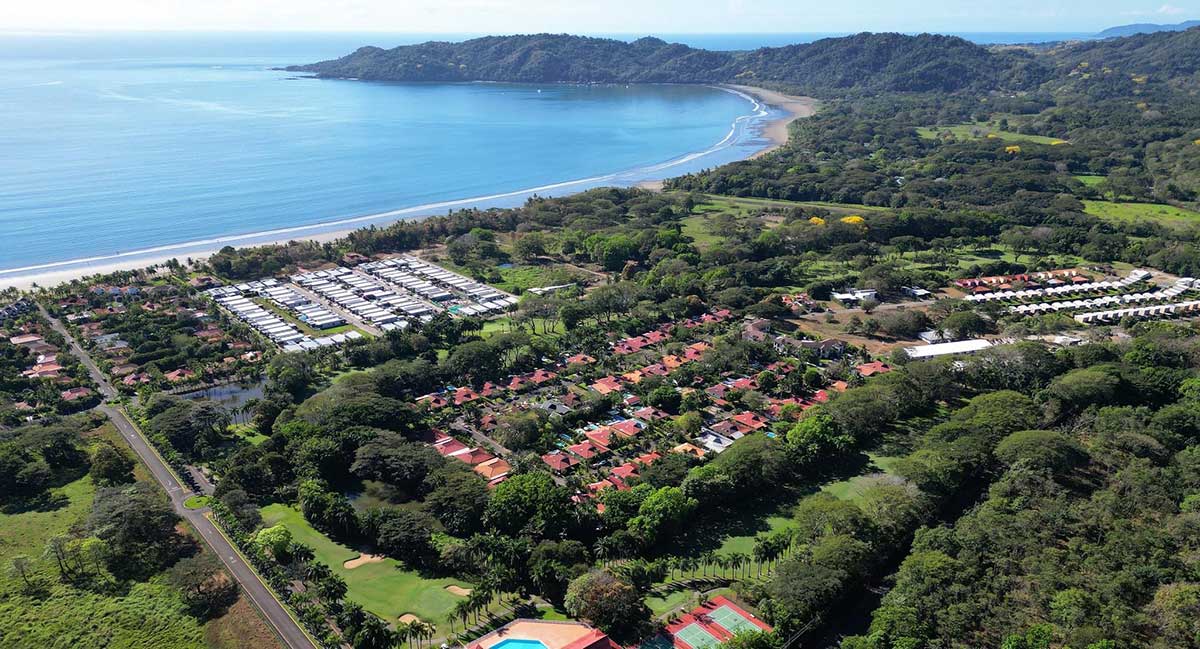
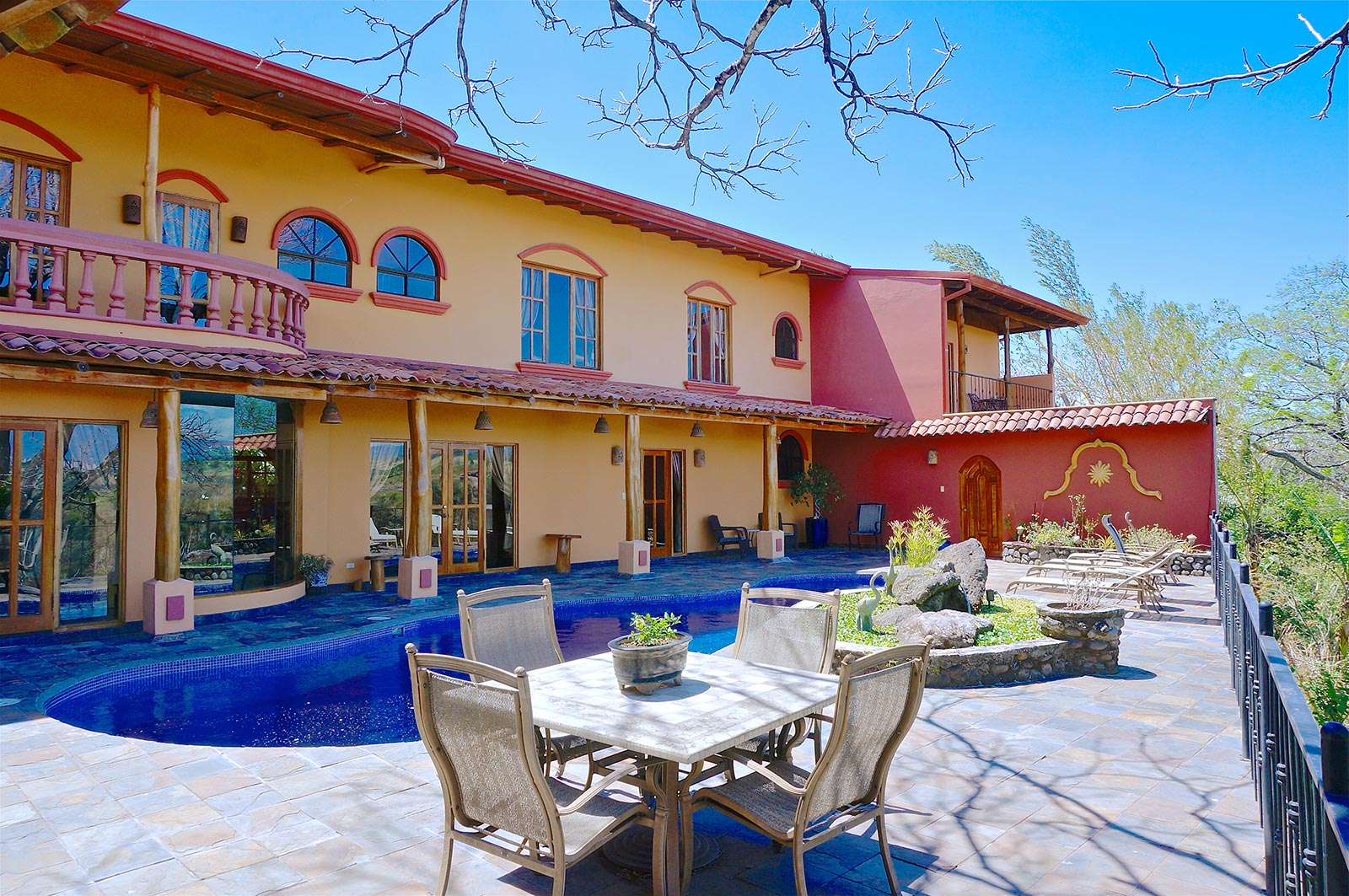
Modern pool area of a home in a gated community in Nicoya Peninsula

2. Route 1: The Western Central Valley Power Move

The San José-San Ramón corridor is becoming the new suburban goldmine. While everyone has historically looked at Escazú, the expansion of Route 1 is opening up towns like Grecia and San Ramón as legitimate luxury living options for people working in the city.

With better bridges and more lanes, you can live in the cooler mountain climates of the Central Valley and be at your office in San José faster than you can say “segunda planta.” It’s super different from the traffic jams of five years ago.

3. Route 27 Expansion: Faster Beach Trips for the City Crowd

The Escazú-Atenas corridor is getting a major facelift. Route 27 is the lifeline between the capital and the Pacific. The 2023–2026 National Development Plan has this expansion slated to be 75% complete this year.

The coolest part? This widening project is specifically designed to eliminate the bottlenecks that used to turn a 1-hour trip to Jacó into a 3-hour odyssey. If you own a condo in a gated community near Orotina or Atenas, your backyard just got a whole lot more accessible.

4. The Electric Train: Moving the GAM into the Future

San José urbanites, your commute is about to get a lot more “European.” The long-awaited Electric Train project for the Greater Metropolitan Area (GAM) is the futuristic upgrade the city needed. It’s about connecting the dots between Cartago, San José, Heredia, and Alajuela without the carbon footprint.

For investors, this makes properties near transit hubs in Santa Ana and Rohrmoser incredibly valuable. Kids learn about sustainability in school, but here, the city is actually living it.

5. TAM-1 Submarine Cable: High-Speed Internet is Here

18 Terabits per second. Read that again. The TAM-1 submarine cable is the new digital backbone of the Americas, and it’s landing right here. This isn’t just “good” internet; it’s world-class connectivity.

Whether you’re a day trader or a CEO running a global empire from your porch, the TAM-1 system ensures zero lag. In 2026, “working from the beach” isn’t a pipe dream; it’s a technical reality. Digital nomads are flocking to these high-speed zones, driving rental demand through the roof.

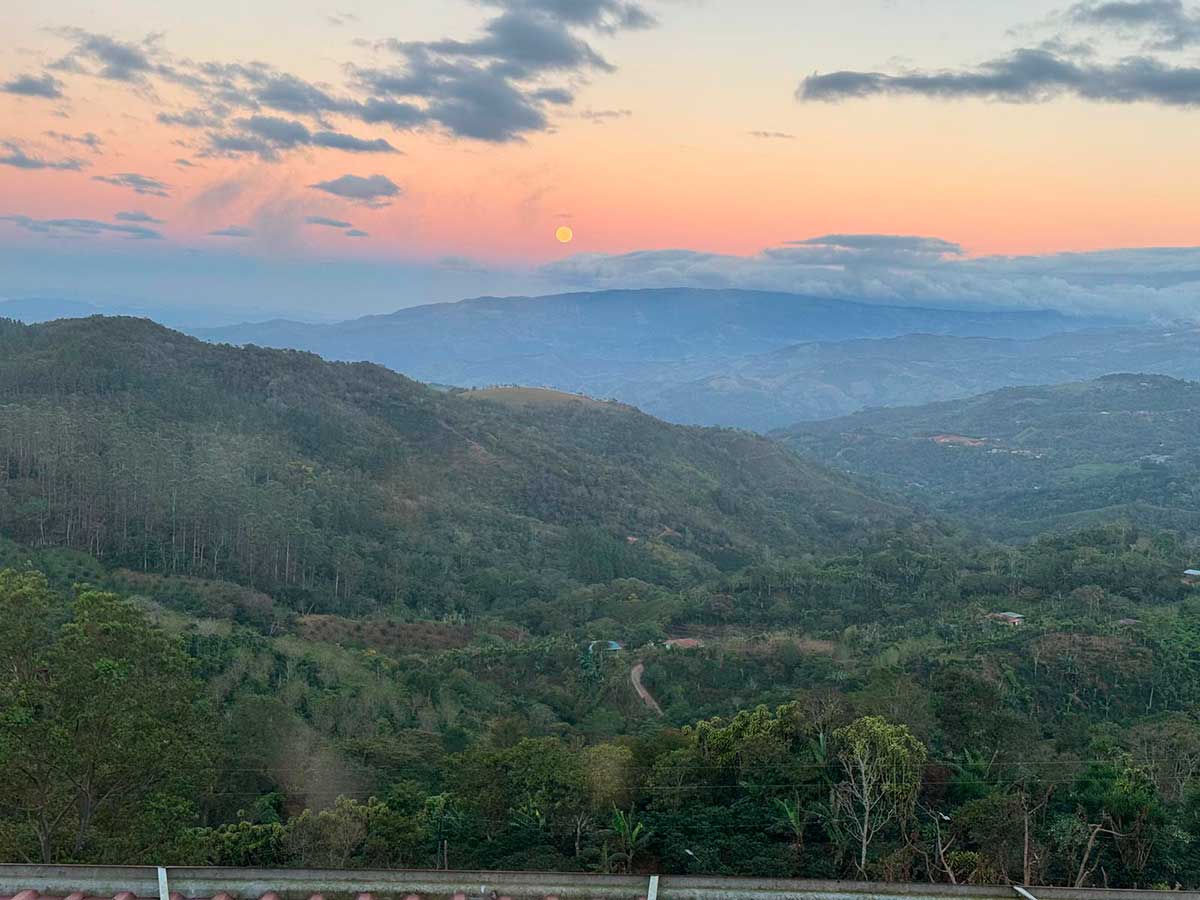
Modern living room with high-speed internet capability in a luxury gated community

6. Route 32: The Caribbean Side Level-Up

Say goodbye to the “Death Highway” and hello to 4 lanes of progress. The massive project connecting the Central Valley to Limón is finally creating a safe, fast route to the Caribbean coast.

The Caribbean has always had a different vibe, but now it has the infrastructure to match. This expansion is opening up Puerto Viejo and Cahuita to investors who were previously spooked by the tough drive. It’s a total game-changer for the region’s logistics and tourism.

7. 5G in the Jungle: Connectivity is King

Liberty and Ericsson are crushing the ecological knowledge gap. They’ve secured US$100 million in financing to roll out 5G across the country by 2026. This means that even in remote gated communities, you’re getting signal that’s often better than what you’d find in mid-size US cities.

Don’t worry, the monkeys still have their trees, but now you can stream 4K video from your hammock. Connectivity in the jungle is officially better than ever, making remote luxury living a no-compromise lifestyle.

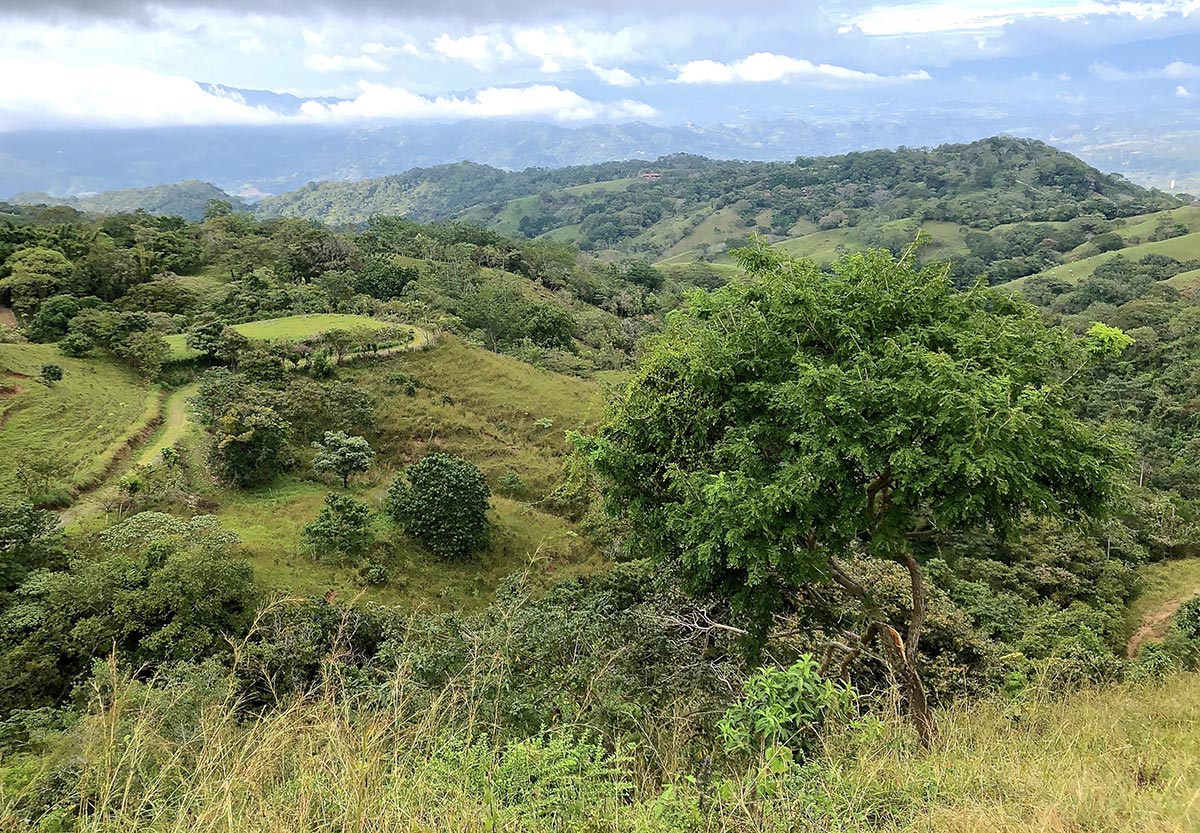
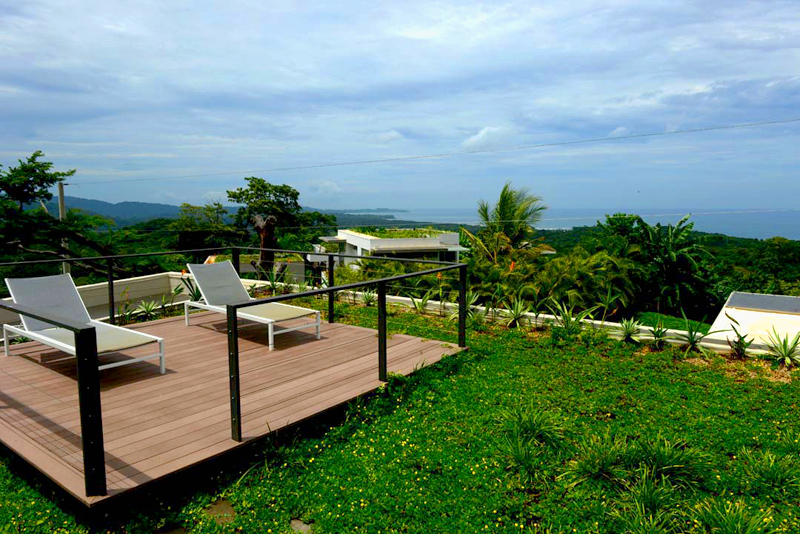
Outdoor terrace of a modern home showing 5G connectivity potential in a lush setting

8. Airport Expansions: SJO and LIR are Growing Up

More gates, fewer lines, and a lot more smiles. Both Juan Santamaría (SJO) and Daniel Oduber (LIR) have undergone massive expansions to handle the influx of international flights. We’re seeing more direct routes from Europe and Canada than ever before.

Travelers don’t just want to visit; they want to stay. The improved efficiency at these hubs means your international guests (or your renters!) start their vacation with a breeze instead of a bottleneck.

9. Energy Stability: Modern Grids for Smart Homes

Costa Rica’s 99% renewable energy grid is getting even smarter. The 2026 energy push includes smart grid technology specifically designed to support high-end, energy-intensive smart homes.

Think automated climate control, high-speed EV chargers in every garage, and integrated security systems that never go dark. Energy stability is a huge draw for high-net-worth investors who want their ocean-view smart home to run flawlessly while they’re away.

10. Property Value Boost: Why You Should Act Now

Property values rose 7% in 2025, and 2026 is looking even stronger. Statistics don’t lie. When infrastructure goes in, property values go up. It’s real estate 101.

Investors who bought in Guanacaste before the Route 21 expansion are already seeing significant gains. The same is happening along the Route 27 and Route 32 corridors. Buying in a connected zone now isn’t just about a nice house; it’s a strategic move to capture the appreciation that comes with a modernized nation.

Why Partner with Properties in Costa Rica?

Navigating these changes requires more than just a GPS; you need local boots on the ground. At Properties in Costa Rica, we’re a full-service real estate company that speaks your language, literally. Our multilingual staff (English, Spanish, French) ensures nothing is lost in translation.

Ready to see how these infrastructure projects can benefit your portfolio? Contact our expert team today and let’s find your piece of the new Costa Rica!

Comments Off on Looking For a Gated Community in Costa Rica? 10 Things You Should Know About the New Infrastructure Projects


The ‘Caja’ and the Law: A Stress-Free Guide to Hiring in Costa Rica

The ‘Caja’ and the Law: A Stress-Free Guide to Hiring in Costa Rica

June 17, 2026

Properties in Costa Rica

Hiring help in Costa Rica is super different than back home. You’ve probably heard horror stories about labor lawsuits or unexpected “hidden” costs, but honestly? It’s only scary if you don’t know the rules. Whether you’re buying a luxury beachfront home and need a full-time caretaker, or you’re launching a commercial project, understanding the “Caja” is non-negotiable.

Don’t let the legal jargon freak you out. At Properties in Costa Rica, we’ve helped hundreds of investors navigate the transition to life in the tropics, and that includes the nitty-gritty of payroll. If you want to keep your investment safe and your staff happy, you need to master the basics of the CCSS and the Labor Code.

What exactly is the ‘Caja’ anyway?

The “Caja” isn’t just a tax: it’s the backbone of the Costa Rican social safety net. Officially known as the Caja Costarricense de Seguro Social (CCSS), this institution handles two massive things: your employees’ health insurance and their pension.

When you pay into the Caja, you’re ensuring your staff can walk into a public clinic for anything from a flu shot to a major surgery without paying a dime out of pocket. It also builds their retirement fund (IVM). For you, as an employer, it’s your legal shield. If you don’t register your workers, you’re personally liable for every single medical bill they incur if they get sick or injured. Talk about a financial nightmare!

The Magic Numbers: 2026 Rates You Need to Know

Budgeting 101: Your agreed-upon salary is just the starting point. In 2026, the rates are crystal clear, but they add a significant “load” to your monthly expenses. You can’t just hand over a wad of cash and call it a day.

  • Employer Contribution: You’ll pay roughly 26.83% on top of the gross salary.
  • Employee Contribution: Your worker contributes about 10.83%, which you withhold from their paycheck and send to the CCSS.

Let’s look at a real scenario. If you hire a property manager for $1,000 a month (gross), your actual cost as an employer is $1,268.30. Your employee will take home $891.70 after their 10.83% is deducted. It’s a bit of a shocker at first, but this is how the system stays funded and keeps everyone covered.

The 15th of the Month: Your Most Important Deadline

Mark your calendar in red because the CCSS doesn’t do “fashionably late.” Every single month, you have until the 15th to submit your payroll report and pay the contributions for the previous month.

Missing this deadline isn’t just a minor oops: it can trigger fines and, more importantly, it makes you “moroso” (delinquent). Being on the delinquent list can prevent you from doing other legal tasks in the country, like renewing permits or even closing a real estate deal. Pro tip: Get an accountant or use a payroll service to automate this. It’ll save you a ton of stress!

INS: The “Other” Mandatory Insurance

Don’t confuse the Caja with INS. While the Caja handles health and sickness, the INS (Instituto Nacional de Seguros) covers labor risks (Workers’ Comp). This is a separate policy you must have for every employee, even if they only work for you a few hours a week.

If your gardener slips on a wet leaf or your housekeeper trips on the stairs, INS covers the disability pay and the specific recovery costs. Without it, the labor courts will come down hard on you. It’s usually an annual policy, and the cost varies based on the “risk” of the job. A construction worker costs more to insure than an office assistant: which makes total sense, right?

The $10,000 Question: Employee or Contractor?

The coolest part about Costa Rican law? It prioritizes reality over what’s written on paper. You might think, “I’ll just hire them as an independent contractor to save on the Caja.” Watch out! The Ministry of Labor uses the “Principle of Primacy of Reality.”

If the person has a set schedule, follows your direct orders (subordination), and uses your tools, they are an employee. It doesn’t matter if you have a signed contract saying they are a “consultant.” If they look like an employee and act like an employee, the law says they are one. If you misclassify them, you could be forced to pay years of back-dated CCSS contributions and benefits. Not exactly the “Pura Vida” vibe you’re looking for!

Navigating the Minimum Wage Tiers (CNS)

The government literally sets the “floor” for every job imaginable. The Consejo Nacional de Salarios (CNS) publishes a list of minimum wages categorized by skill level.

  • Unskilled Workers: This usually covers general cleaners or basic farm help.
  • Semi-Skilled & Skilled: Think specialized maintenance or drivers.
  • Specialized (Technicians/Graduates): If your hire has a university degree or technical certification, the minimum wage jumps significantly.

You can always pay more than the minimum (and for top-tier talent in San Jose or Escazu, you definitely will), but you can never pay less. For 2026, even the most basic roles have seen an adjustment to keep up with the cost of living.

The “Aguinaldo” Shocker: Why your total load is 40-50% extra

The biggest surprise for new investors is the total cost of labor. When you add up the Caja (26.83%), the INS insurance, the mandatory two weeks of vacation, and the famous Aguinaldo, your total cost is actually about 40-50% over the base salary.

What’s the Aguinaldo? It’s the mandatory 13th-month bonus paid in December. You take the total earnings from December 1st of last year to November 30th of this year, divide by 12, and that’s the bonus. Even if someone only worked for you for two months, they get a pro-rated Aguinaldo. It’s a non-negotiable Christmas tradition here!

Ready to Build Your Dream Team?

Hiring in Costa Rica doesn’t have to be a headache. As long as you respect the CCSS, pay your INS on time, and stick to the CNS minimums, you’ll have a loyal, happy team helping you manage your piece of paradise.

If you’re still in the “searching” phase and want to find the perfect property that needs a little (or a lot) of TLC, check out our latest listings in the Central Valley or our beachfront condos. We don’t just sell houses; we help you build a life here.

Still have questions? Contact us today and we can point you toward the best legal and accounting pros in the country to make sure your hiring process is 100% compliant!

Comments Off on The ‘Caja’ and the Law: A Stress-Free Guide to Hiring in Costa Rica


The Game-Changer for Buying in Costa Rica: U.S.-Style Financing

The Game-Changer for Buying in Costa Rica: U.S.-Style Financing

April 6, 2026

Properties in Costa Rica

If you’ve ever looked into local financing in Costa Rica, you know it can be… a bit of a marathon. Between the mountain of paperwork and the different banking standards, it’s enough to make anyone second-guess their dream home.

That’s where US Based Loans comes in.

They aren’t a local bank or a developer with a hidden agenda. They are a U.S.-based lender specifically designed for Americans who want to buy or refinance property here in Costa Rica without the usual “international” headaches.

What Makes These Types of Loans a Total Win?

  • U.S. Standards & Security: Your loan is processed, funded, and serviced entirely in the U.S. That means you get the same protections and standards you’re already used to.
  • Forget the Local Credit Search: These lenders look at your U.S. financial profile. You do not need a credit history in Costa Rica to qualify.
  • Real Loan Options: 30-Year Fixed, 7/6 ARM, and 5/6 ARM options, all designed to keep your monthly payments low and manageable.
  • No Hidden Costs: Unlike many local options, this process is designed to be more transparent and familiar.

Is This Right for You?

The perfect fit if you are:

  • Picking up a vacation home for the family.
  • Investing in an Airbnb or rental property.
  • A retiree making the move to the tropics full-time.
  • A digital nomad ready to stop renting and start owning.
  • An investor looking to leverage the equity you already have.

The Bottom Line

With fast pre-qualification and closings typically happening in 30–45 days, US Based Loans brings the simplicity of a U.S. mortgage to the Costa Rican coast.

Ready to stop dreaming and start packing? Let’s make it happen. Send us an email to connect you with this type of lending.

Contact us at: lending@propertiesincostarica.com

Comments Off on The Game-Changer for Buying in Costa Rica: U.S.-Style Financing


Exploring the Advantages of Owning Real Estate in Costa Rica

Exploring the Advantages of Owning Real Estate in Costa Rica

January 6, 2023

Properties in Costa Rica

There are plenty of reasons to consider owning real estate in Costa Rica. The country is well-known for its natural beauty. Its laid-back lifestyle is appealing to many. But there are also some significant advantages to owning property here that you may not be aware of. 

In this blog post, we’ll explore some of the top benefits of Costa Rican real estate ownership. Whether you’re looking for a vacation home, a rental property, or a place to retire, Costa Rica should be on your radar. 

Let’s take a closer look at what this beautiful country has to offer!

Overview of the Real Estate Market in Costa Rica

The real estate market in Costa Rica has grown steadily over the past several years, with new developments and residential housing popping up across the country. While property in desirable tourist destinations such as coastal regions remains pricier than other areas in Costa Rica, you can still find an array of properties at a variety of price points.

Whether you’re looking for a beach-side condo, or a lush inland villa – Costa Rica offers something for all types of buyers.

With enticing locales and infrastructure that caters to tourists, purchasing real estate in Costa Rica is an attractive and lucrative investment opportunity for many people worldwide.

Benefits of Owning Real Estate in Costa Rica

Owning real estate in Costa Rica can be an excellent investment opportunity. Property values can not only tend to increase over time, but there are also great tax benefits as well. The lenient foreign numbers laws make it easy for buyers who are not citizens of Costa Rica to purchase property without any legal hassle.

Costa Rica is welcoming to all types of investors due to its warm and stable political environment, so it’s a smart choice for anyone wanting to invest in real estate for long-term financial rewards and retirement planning. 

Furthermore, rental properties can be incredibly lucrative in some areas, which makes the appeal even more promising. Taking advantage of the opportunity to own real estate in such a beautiful, vibrant country truly has its benefits!

Factors to Consider Before Buying Property in Costa Rica

For those interested in purchasing property in Costa Rica, there are several important aspects to take into account before making any decisions. 

Due to Costa Rica’s rural and natural environment, its infrastructure may not be as developed as in other areas. Therefore, prospective buyers should consider the potential distance from their residences to grocery stores, public transportation hubs, and professional services such as medical clinics, banks, and schools before investing in real estate. 

Other factors include whether the property is located near a city or beach town, local laws related to taxes and ownership rights, and the quality of water supply on the land. 

Those who plan to stay in the country for reasonable periods will also want to research the available housing options and check that their desired location provides adequate amenities for their needs.

Financial and Tax Benefits of Investing in Real Estate in Costa Rica

Investing in real estate in Costa Rica can provide substantial financial and tax benefits. Investors may be eligible for credits and concessions, such as reduced income taxes on rental income, caps on capital gains taxes, and waivers from estate taxes and transfer fees. 

Investors also have a choice of fixed or long-term mortgage instruments that offer attractive financing options, allowing them to leverage their investments for maximum returns.

Furthermore, Costa Rica’s tax laws are designed to make real estate ownership attractive by affording generous educational deductions and other deductions for interest expenses. 

For all these reasons, investing in real estate in Costa Rica is a great way to grow your wealth while taking advantage of many potential financial and tax benefits.

Tips for Finding the Best Investment Opportunities in Costa Rica

Costa Rica offers a unique and attractive investment landscape to those looking for long-term opportunities. With its growing economy, low crime rates, great infrastructure, and strong tourism industry, it’s no surprise that many investors are eyeing the place for their next venture. 

To make sure you are finding the best opportunities in Costa Rica, you should start by doing your research. Read up on the local markets and check the news to get an idea of what kind of sectors are thriving right now; look into laws and regulations related to foreign investment; network with people already in Costa Rica who can give you invaluable advice; and prepare financially. 

Even if it’s already a well-established business possibility or a successful startup, take time to properly study every aspect before taking action. 

Additionally, if you’re still unsure of how to invest in Costa Rica, reaching out to experts in this field will be key – they can help you make well-informed decisions that will ensure the success of your project.

Are There Any Drawbacks to Owning Real Estate in Costa Rica?

Owning real estate in Costa Rica is a popular choice for many people, this tropical paradise offers plenty of different activities that can keep even the busiest person occupied.

But, as with any investment, there are certain drawbacks to owning real estate here. For one thing, managing a property from abroad can be a challenge, particularly if you don’t have a reliable on-the-ground contact who can take care of things for you. 

Plus, there are several costs associated with ownership and upkeep, such as taxes and insurance that can add up quickly if not budgeted properly in advance. 

Lastly, being foreign-owned means that some legal issues may present barriers to what you are trying to accomplish – understanding Costa Rican law and knowing how to navigate potential obstacles is key when buying or selling property in the country. 

All in all, while ownership of property here provides its rewards, it’s important to consider any possible drawbacks before taking the plunge.

Wrapping Up

Despite the current effects of COVID-19 on the real estate market, owning property in Costa Rica still has many benefits. If you’re thinking of buying property in Costa Rica, be sure to consider all the factors involved before making a decision. With its natural beauty, stable economy, and friendly people, Costa Rica is a great place to own a piece of paradise.

About the author: Diane H Wong works as a writer at a custom essay writing service, kingessays.com. Her favorite challenge is jumping into new technology and learning about the latest marketing techniques. In this case, Diane has a chance to share her experience with other people and stay on top of evolving tech trends.


13 Smart Real Estate Investing Tips from Successful Investors

13 Smart Real Estate Investing Tips from Successful Investors

September 9, 2022

Properties in Costa Rica

As the pandemic peaked and businesses stopped, many experts said that the real estate market would be one of the last to return to normal. After the pandemic, it surprised everyone with how well it had done.

The road to wealth is frequently meandering and investing in real estate does not come with a map. However, you can take steps to set yourself up for success and place yourself on the correct path. A wonderful place to start is by paying attention to the best tips for investing in real estate from experts and prosperous investors.

We got thirteen property investment advice or tips from professionals in the industry. It doesn’t matter if you are new to the industry or buying your third rental property, you must follow these steps to succeed in this industry or get a property investment service. Without further ado, let us get started.

Why Invest in Real Estate?

Risk and preparation are involved in real estate investing, but the payoff can be substantial. Some of the most compelling arguments in favor of buying property are listed here. (Remember, growth in value and income is not assured. The more you know about the houses and areas you are considering, the better your odds of making a profit). Here are a few reasons people invest in real estate.

Continual Cash Flow

Owning a property increases what you receive monthly. It does not matter if you want to invest in a commercial or residential area, the potentials are high. You can lease your property to tenants. You get rent payments monthly.

Excessive Profit

You can sell your rental properties for significant profit if their value rises with time. You must choose the right real estate business to get those high profits.

Stability over Time

You can hold a property for several years while waiting for it to appreciate because it is a long-standing investment. As you wait for the property’s value to increase, you may also make a monthly income by renting out your real estate.

Tip 1 – Find rental homes in areas that are growing

Rental properties are a fantastic way to become engaged with real estate investments. Look for them in new neighborhoods. Developing communities provide tax breaks and room for growth for prospective buyers. Those who invest in real estate in upcoming areas increase their profits and ensure their revenue matches their costs.

Tip 2 – Diversify your investment portfolio

People often say that the best property to invest in is the one you already own. Even though it is essential to know the area where you are investing, you limit your opportunities to make money when you look for small areas.

If you think about investing in other cities and states, you will have a broader range of options and, in the end, better chances. Investing in a wide area also gives you more ways to spread out your money and protects your portfolio from the fluctuation of local markets.

Tip 3 – Don’t overstretch yourself

You can be highly profitable for an extended period and still go bankrupt if each rental is heavily mortgaged. You will have a decent mix of safety and stretching resources if you maintain some of your rental homes for free. If you execute it correctly, a few longer-than-expected openings or cash flow dips do not have to spell the end of your career.

Tip 4 – Conduct your research

Your reputable and compensated experts may advise you to avoid holding real estate in your portfolio altogether in many situations. They frequently offer the same stale justifications, such as being “illiquid” or “very management-intensive.” Depending on your circumstances, they may have merit, but that is not the primary justification they want you to avoid real estate.

You do not pay stockbrokers to invest in real estate. They have no incentive, no commissions, and no work to do. That is, except they wish for you to buy a pricey, non-traded REIT, in which case you will immediately understand their genuine motives. You must conduct your own research to determine the future cash flow in the real estate industry.

Tip 5 – Consider renting a single-family home

Your best chance of finding the right tenant is with single-family homes. Everyone would like to have a home of their own. Some people cannot or do not want to own property.

Tip 6 – Have several escape routes in mind

Another tips for investing in real estate is to never purchase a home unless you have several departure options. Consider flipping as an example. By purchasing properties with substantial quality numbers, you can reduce your risk factors if you are starting or do not have much spare money.

If you are investing in flips and the market collapses, but the property might generate a negative or level cash flow if rented out, you will lose a lot of money. You can either create wealth by maintaining them as rentals or reduce your risks when things go wrong by flipping starter homes.

Tip 7 – Contact escrow to complete your deal

When you start escrow, the deal is not yet finalized. If you are purchasing off-market, the seller may be a little worried about the transaction and if everyone involved is a real estate agent.

Introduce yourself and let them understand that you will draft the paperwork as soon as the escrow/title firm contacts them. The seller will feel more secure because of the third-party confirmation.

Set the anticipation up front that you would check in on the situation regularly during the escrow term and be sure to do so.

Tip 8 – Learn about your market

It is crucial to research and get expertise in your chosen market before making a real estate investment. You can recognize the current market situation and make plans if you are well-informed on current trends, including any drops or gains in average rent, crime rates, income, and interest rates.

Constantly estimating and anticipating market changes will make you a more successful real estate investor.

Tip 9 – Expect vacancies

You want to prevent a vacancy gap in your cash flow unless you have significant finances. The only way to achieve this is to add it to the cost of transporting the asset. Most property owners must assume that not every month of the year will bring in money.

For some, that translates into a 2% decrease in sales, while for others, it may represent a 10% decline. The trick is to evaluate the property and the renter type and then account for the revenue shortfall you should anticipate yearly.

Tip 10 – Think about investing in non-traditional real estate

Never forget that buying single-family houses or apartment complexes can both be profitable real estate investments. You might make investments in warehouses, industrial space, storage facilities, and office buildings. These all bring in rental income.

With a triple-net lease, where the tenant is responsible for basic insurance and paying the property taxes and upkeep, you might be able to lower total costs when renting offices and industrial facilities. Your investment then generates consistent cash flow with minimal out-of-pocket costs.

Tip 11 – Think of your investments as businesses.

Investing in real estate is a business; like any other business, it needs to be carefully planned, carried out, and managed. People who are good at every level run the best companies. It is one property investing tips you should never forget as a newbie.

Those who do not realize this will have trouble or even fail. No matter how big or small you want to do your real estate investment service, you must run it like a business to succeed.

Tip 12 – Create a budget and a timetable 

A general rule of thumb to apply if you are a new investor is to reserve at least 50% of your budget. When you renovate properties, one problem can often lead to another, and your expense usually ends up being greater than you had planned.

A leaky pipe, for instance, might need to be replaced, the mold damage cleaned up, and the drywall replaced. The same rule applies regarding timeline: if you have a 60-day deadline, plan on the project taking 90 days. Additional costs result in additional time.

Tip 13 – Buy cheap

A dividend-paying stock and real estate investing are comparable. The return on investment depends on how inexpensive you purchased the item. However, you must consider the return on investment. 

You can spend little money to purchase a modest home in a dangerous area, but you will not make much money from it either. Therefore, focus on acquiring land or an off plan rather than a house. As the year progresses, you buy cheaply, save money, and get more.

Conclusion

Those who are serious about their financial futures would consider real estate an efficient portfolio. One of the best ways to get the financial independence you want is to become a successful real estate investor.

Real estate investing tends to yield more cash flow than the stock market. However, you must exercise caution and listen to real estate investment advice from professionals. With these tips for investing in real estate, you can get started without becoming a statistic of those who have filed for bankruptcy.

Author Name: Liran Koren


Why You Should Buy A Vacation Home Rental as a Real Estate Investment

Why You Should Buy A Vacation Home Rental as a Real Estate Investment

June 9, 2022

Properties in Costa Rica

Real estate is a popular and often safe way to start investing, and when it comes to real estate investments, a vacation home can offer a lot of personal and financial benefits. With current housing rates being at an all-time low in an incredibly active market, it may be the perfect time to consider investing in a vacation home to rent out. From creating another source of income and building equity, to simplifying your getaways and planning for retirement, owning a vacation home rental has great potential for rewards. If you’re considering adding a new property to your real estate portfolio, here are the top reasons why you should consider buying a vacation home rental as your next real estate investment.

Great Income Potential

When you buy a vacation home and rent it out, you can easily create a short-term rental revenue stream. The income from your rental home can supplement your normal salary, allowing you greater income potential. Short-term vacation rentals also typically have a higher return on investment than long-term rentals in metropolitan markets. While the cap rate for a long-term rental is usually around 4-5%, short term rentals often have a cap rate of 10% or higher, making a vacation home a potentially lucrative real estate investment.

Home Appreciation

As with most smart real estate investments, your vacation home is likely to appreciate in value over time, especially if you make smart choices when it comes to renovations and refurbishing that can increase the value of your home. That way if you do decide to eventually sell your home, you have the potential to make a hefty profit.

Personal Getaway

Owning a vacation home allows you to have your own personal getaway home. While you may want to rent your home out most of the year, you can carve out time to visit while it’s empty for an easy and affordable vacation that can even save you money. 

Market Opportunity is Endless

While successful long-term rentals usually exist near major cities, vacation homes can be scattered all along with the globe, even in more secluded areas with vast income potential. Whether you’re looking to invest in a beach home, mountain home, or a cabin in the woods, there are endless opportunities and bound-to-be renters who will likely find your vacation home the perfect getaway. 

Build Equity and Reduces Homeowner Costs

Having multiple revenue streams and building an income property portfolio is an important investment goal for the majority of second homeowners. However, owning a home can come with many expenses such as mortgage payments, utilities, insurance fees, property taxes, HOA fees, and maintenance costs. Owning a rental property has great potential at counterbalancing these homeowner costs from the very beginning, even for first-time buyers. Consistent rental income can cover these monthly homeowner expenses and even help pay off the home in a shorter time than if you had chosen to live in it, allowing you to eventually create a nice profit from the rental. Vacation rental owners may also be eligible for specific tax deductions which can also help increase your potential income. 

Plan for Retirement

Whether retirement is a few years away or a few decades, owning a vacation rental can help you plan for a stress-free future. When choosing a vacation home to rent out, it’s important to think about where you may want to retire — a beach, in the mountains, or in your favorite city. As you move closer to retirement, the amount you may owe on your vacation home will be smaller or may even be completely paid off, allowing you to eventually make it your own home.


Sustainable Properties in Costa Rica

Sustainable Properties in Costa Rica

October 3, 2016

Properties in Costa Rica

Costa Rica is known for its sustainable initiatives and for having a lifestyle which is close to nature.  Throughout the country one will find 27 protected national parks, with wild secondary and primary rainforest, mangrove lined waterways and protected cloud forests.  Solar powered homes, fresh water sources, organic farming and off the grid land parcels, make up a variety of properties which are integrated into the local communities. The country is one of the first in the world with the goal of carbon neutrality and residents share like-mindedness toward conservation of the countries natural beauty.

In July and August of 2016, Costa Rica ran on 100% renewable energy from a combination of hydro-electric power, wind, solar, and geothermal. Homes which are living off the grid are becoming an easier and more economic option with constantly evolving energy storage and institutional support. The movement towards living in an ecologically sustainable way dominates much of the country’s culture and community initiatives are constantly growing to meet the needs of local towns.

The options for construction of sustainable homes is also evolving, with focus on using materials like bamboo, earth and locally resourced hardwoods, optimization of natural airflow, orientation with the sunlight and minimization of toxic materials.  Building in tune with the natural forest and terrain with little impact on the surrounding ecology is not only “eco-friendly“, but it allows an owner to truly experience all the jungle flora and fauna have to offer, proving a living experience which is rarely found in this world.

Throughout the country, there are thriving sustainable communities where people can purchase land and build a home. One of the many examples is Finca Bellavista, which is a sustainable treehouse community. This is a reflection of one type of construction one can utilize here in Costa Rica.  Through the use of natural materials and focusing on the integration with nature, one creates an unforgettable retreat.  Not only that, this Finca covers 600 acres in the Southern part of Costa Rica’s lush rainforests, protecting the natural resources found within.  The best thing about Costa Rica is there are many opportunities for a private property which encompasses these same values.

For investors who see the value in protecting nature, there are properties which can generate a return.  Green hotels, yoga retreats, or eco-adventure destinations, these businesses tend to thrive in a country focused on ecotourism.  In 2015, an estimated 2 million tourists generated over $2.45 billion in revenue and accounted for 12% of the country’s GDP.  Sustainable rural tourism is an example of ecotourism which is growing in popularity due to its environmental initiatives and support of local economies.  Private wildlife refuges which can provide guests with an unforgettable experience and put them up front and center with the wildlife of Costa Rica in their natural environment are a priceless commodity in this world.

The beauty of investment in this country is; if you are looking for something that meets luxury standards while also supporting carbon neutrality, we have it. If you are looking for something a little more rustic, truly immersed in nature, you can find it here as well. Costa Rica in all its diversity supports a wide variety of preferences and lifestyles. The country and its people strive to remain in balance with the natural world and if you share this philosophy, you too will find a place in this important movement.


Sustainability and Costa Rica

Sustainability and Costa Rica

June 28, 2016

Properties in Costa Rica

As one of the most biologically intense countries in the world, Costa Rica has long been known for attracting people craving a more self-sufficient way of life. As one of the first countries in the world to be 100% powered by renewables, it serves as a mecca for those seeking to live in harmony with nature. The natural environment and climate is conducive to a sustainable lifestyle. Year after year people who want to grow their own food, be energy independent and have their own independent water supply move here. This trend shows no sign of slowing down anytime soon either.

From farms to eco-retreats to to permaculture to micro farms, there is a large, enthusiastic, committed community for sustainable living and green design here. The country is known for its eco-tourism, and it’s a major industry for this small country. As a country, Costa Rica was the first in the world to run 100% on renewables. What this trend reflects is a desire among the locals as well as incoming expats to simplify their lives. It’s about downsizing, simplifying in style, and living in harmony with nature. People crave a high quality life at a slower pace and Costa Rica delivers on that desire. The country’s commitment to the environment and protecting biodiversity means it supports the sustainable lifestyle new residents seek.

Costa Rica’s climate makes it conducive to living sustainably and the year round near perfect weather simplifies energy needs because the country does not experience large fluctuations in temperatures throughout the year. In addition, the climate also supports year round agriculture, which makes it easy for locals to grow and produce much of their own food. There is a lot of rich land available, and the relatively young housing stock means that homes tend to be simple yet built with current materials, and can easily be adapted.

Self-sufficiency is part of the culture. People purchasing property and homes here want to take more control of their lives and be able to manage their resources for a number of reasons. For some it’s simply about reducing cost of living, and for others, it’s forged through a deep commitment to living a more sustainable lifestyle, and for others, it’s about a lifestyle choice that allows for more independence. The available housing inventory offers plenty of attractive options for those seeking partial self-sufficiency to those seeking 100% self-sufficiency.

The fact remains there are a number of issues attracting North Americans and Europeans to Costa Rica. Self-sufficiency is a rich part of the culture and history; it’s not an idea people are struggling to grasp and adapt to as is the case for much of North America.These expats seek a simpler more balanced life, and Costa Rica is conducive to a self-sufficient lifestyle. It’s a top international destination when it comes to living a sustainably and finding a home to achieve that goal.


Wondering What is the Best Place to Buy a Vacation Home in Costa Rica?

Wondering What is the Best Place to Buy a Vacation Home in Costa Rica?

March 20, 2015

Properties in Costa Rica

by Andrés Murillo

It’s no secret that Costa Rica is quickly becoming one of the top destinations where expats from United States, Canada and Europe want to buy property, either as a vacation home or as a full-time residence. But although Costa Rica is a relatively small country, its coasts, cities and beach towns are as diverse as can be, leaving many prospective property owners wondering, “Where should I buy?“.

Truthfully, it’s hard to go wrong when buying property in Costa Rica, but through the years people has discovered what we consider the prettiest, most idyllic beach town, located on the Pacific coast of Costa Rica, near the international airport and close to a seemingly endless list of incredible eco-tourism opportunities. Tamarindo, Costa Rica, is being recognized as the best beach town in Costa Rica to buy your vacation rental home.

Let’s clarify that vacation rental home, what we mean is that you can buy a property in Tamarindo, Costa Rica primarily for your own vacation use, but also rent that property to other vacationers when you’re spending time in your home country… You can actually enjoy your property for vacations PLUS it is paying itself and even better: it is generating real income after expenses!

Here are just a few of the main reasons why owning a vacation home in Costa Rica will not only provide you and your family with unparalleled entertainment, but is also an extremely sound investment in terms of resale:

– It’s close to Liberia International Airport. At just 45 minutes from the international airport in the city of Liberia, Tamarindo is easily accessible. Finding a shuttle, a rental car or a taxi to take you from the newly renovated airport to your doorstep is not only a breeze, it’s very affordable.

The tourism is unmatched. World-famous waves, beautiful estuaries, dormant volcanoes, miles of clean beach, great shopping, excellent food and outdoor activities are right at your doorstep. Tamarindo is one of the fastest-growing towns in Costa Rica, touristically speaking, meaning you’ll never be in short supply of incredible experiences to take advantage of.

A return on investment that’s virtually guaranteed. Anyone from this town will assure you that land values in Tamarindo have increased steadily over the years. It’s almost unheard-of that a property might sell for less than its purchase price. Tamarindo is a highly desirable place to live and vacation, and for you that means resale prospects.

Beach
Tamarindo has one of, and maybe the, strongest vacations rental market in all the Pacific Coast

Strong vacations rental market. Tamarindo has one of, and maybe the, strongest vacations rental market in all the Pacific Coast… That said, you could expect an excellent return on your investment while you can also enjoy the property with your family and friends. Depending in the property and its location, properties can be returning between a 4% to a 10% after ALL expenses (property taxes, HOA fees, utility bills and maintenance expenses).

Key to all is: 1. Having a proper marketing program for your property and 2. Hire the right property management company – Ask for advise and we will provide it.

There are incredible deals to be found on vacation properties. Despite a spike in popularity over the last dozen or so years, land values in Tamarindo are fairly low, making it a very viable option for homebuyers looking to purchase a second, or vacation, home in Tamarindo.

The variety is endless. Tamarindo housing types are as varied as any town or city. Tamarindo is home to multi-million dollar estates with panoramic ocean views, luxury ocean view condos, and quiet homes located off the beaten path. You’ll likely find that whichever type of vacation home suits your tastes, the prices will compete with anything you might find back home.

Great people and excellent infrastructure. Costa Rica is anything but a third-world country. Instead, it is very well developed, with excellent roads, great cellphone reception, and reliable electricity and water service – especially in Tamarindo.
Further, the people who live in Tamarindo, both the locals and the expats who have already made their full-time or part-time homes here, are extremely friendly and welcoming to newcomers. In Tamarindo you can find a real multicultural mix with residents from ALL over the world living in this small beach town.

Once you see the supreme natural beauty that Tamarindo has to offer, we’re certain you’ll be as convinced as we are that it’s by far the best place to buy a vacation property in Costa Rica.

Contact Properties in Costa Rica today so we can begin finding you your dream vacation home in Tamarindo, or wherever you’re dreaming of.


Google+ Facebook Linkedin Youtube Twitter Blog Instagram