Properties in Costa Rica Blog

Author Archives: Properties in Costa Rica


New Year’s In Costa Rica

New Year’s In Costa Rica

December 30, 2016

Properties in Costa Rica

New Year’s in Costa Rica is time of letting go of the old and welcoming in the new. While North Americans take to the streets, clubs and parties, Costa Ricans tend to stay close to home spending the evening with friends and family. Intimate gatherings create a space to reflect on the past year’s event and upcoming year. The weeks from Christmas to the New Year are filled with lots of celebrations and festivals.

Leading up to New Year’s is the Fiestas de Zapote, which marks the end of the holiday season and the beginning of the New Year. From Christmas day to the first Sunday of the New Year in the Zapote Farmer’s Market food stands, portable bars, rides and games for children, musical performances and bullfights take place.

Here are a few of Costa Rica’s New Year eve traditions:

  • Cleaning the house from top to bottom symbolizes sweeping away of past evils and bad luck and welcoming in good luck and optimism in the New Year
  • Throwing a pan of water over the shoulder to leave behind all the negative memories of the past year
  • Walking through town carrying luggage to set the intention to travel a lot in the upcoming year
  • Eating 12 grapes for 12 wishes for the New Year
  • Throwing coins in your home to welcome in prosperity
  • Washing the front entrance right after midnight

Traditionally, Costa Ricans gather together around 8pm, enjoy a festive pork dinner and celebrate until 1am or 2am in the morning. The traditional song Año Vejo is sung to welcome in the New Year. For Costa Ricans, i’s an evening filled with many symbolic traditions that have passed down over multiple generations.

For the most part, New Year’s eve is quiet. Towns such as Tamarindo as well as San Jose are more lively. The fireworks display in Tamarindo along the beach is especially spectacular and attracts a large crowd each year. In recent years, towns with large expat populations tend to have more parties, clubs and public events catering to the North American culture. In these towns, restaurants offer special menus, bars fill to capacity and bands play in town centers.

Across the country, New Yea’s signals a rebirth and fresh start. I’s a time to reboot, recharge, and refocus energies for the upcoming year. I’s a time to set goals and release past regrets and troubles. People come together to make their New Year’s resolutions and support each other in those intentions. From Christmas through January is one of the country’s most active times. I’s the peak season in Costa Rica filled with festivities and celebrations, and one of the best times of year to visit. Fin de Año!


When is the Best Time to Buy a Home in Costa Rica

When is the Best Time to Buy a Home in Costa Rica

December 23, 2016

Properties in Costa Rica

The best time to buy a home in Costa Rica is the high season starting in December and January. Winter break, Christmas, and New Year’s coincide with some of Costa Rica’s best weather as snowbirds descend upon the country to experience “pura vida.” The population swells with expats and tourists and towns buzz with activity.

People come to Costa Rica for the first time and just fall in love with the country, environment and lifestyle and want to look at buying a vacation home. When it comes to selling your home, there is no better time to do so than December and January. It’s when the country experiences a population surge, which means there are many more potential buyers. It makes selling a property much easier. Plus, potential buyers get a chance to experience Costa Rica at the height of the season. It’s a vital time of year. The weather is perfect.

Using your winter vacation as an opportunity to house hunt for a vacation home or investment property makes a lot of sense. You are experiencing the country during high season and can make a good assessment of the area and market when it’s at peak rental rates and activity. You will also be able to look for a property that can really match your needs.

When you put your home on the market, you want to take into consideration pricing, current condition, location, staging and perks. These factors can make a big difference in how quickly your home sells.

Pricing

For pricing work with a good realtor and do some comparative research.

Condition

A well-maintained home will sell faster than one that is in need of repair. A fresh coat of paint and landscaping can go a long way when it comes to selling your home quickly and at the asking price. Take inventory of any renovations or improvements you’ve made to the home when pricing it sell.

Location

Location and livability will also make a big difference.

Perks

If your home isn’t selling consider offering perks such as selling it furnished, contributing to the buyer’s closing costs or paying for top placement in real estate magazines or websites.

Time of year and pricing are two big factors when it comes to selling along with working with a good realtor who is well-connected. Much of the real estate market is driven by foreign buyers. Taking advantage of the start of high season when the country’s population swells is a smart move for any home seller. You have a good six months of high traffic before tourism slows down. If you work with a good agent and put together an aggressive plan, you should be able to sell your home in that time frame. If it sits longer than you need to reexamine pricing and other factors that may be preventing the home from selling.


Spending Christmas in Costa Rica!

Spending Christmas in Costa Rica!

December 19, 2016

Properties in Costa Rica

In Costa Rica as almost anywhere in the region, Christmas still represents a huge Catholic festivity, but without missing fiestas, parades, rodeos, street parties, bull runs, choral and dance festivals, and of course abundant presence of fireworks; specially if you are in the country side or the coast. In December a lot of Costa Ricans are on vacation or just living on holidays mood. You definitely experience an even bigger feeling of happiness and Pura Vida vibes in the air during this month.

You’ll find quite a lot of foreigners choose to spend their holidays in here. Looking for warmer climates, while winter season is over back home. Even though in Costa Rica’s North Pacific Coast weather is great all year long, starting in December the weather gets especially nice, the dry season starts, magazine sunsets appear, and cool breezy evenings delight anyone after a sunny day.

We can agree “there is no place like home for the holidays”, with all our friends, family and traditions, but for those that have been some time living here or just come regularly for the season, they discover a great way of experiencing special dates like Christmas.

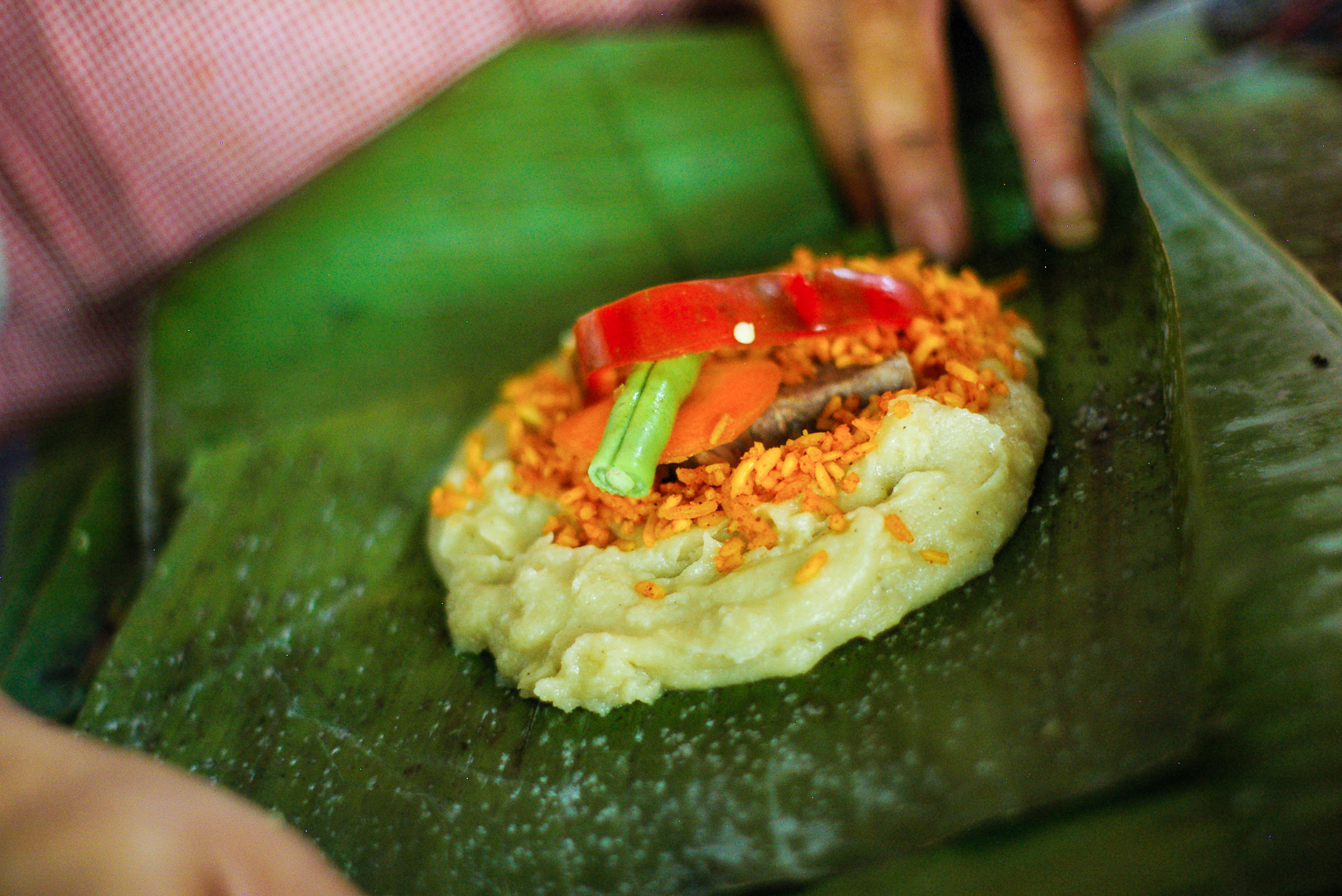
For some it will be enjoying the different traditions of Costa Rican Christmas. From trying out special meals of the season to getting involved in all the decorations and preparations for Christmas Eve. Depending on the region people like to decorate their houses with red or beautiful tropical flowers. El Pasito or Portal, a model of the nativity scene, is the center of every Costa Rican traditional house in December. On Christmas Eve, everyone puts on their best clothes, most religious people go to Midnight mass, and friends and family get together celebrate and enjoy dinner, followed by gift exchange. Christmas Eve meals vary from house to house and in recent years it has been changing looking more like a Thanks Given one with big turkeys and salads on the tables than a traditional Costa Rican Christmas meal. However, the traditional Cena de Navidad includes chicken, pork or veggie tamales wrapped in plantain leaves, dried fruits and nuts Christmas cake and lots of egg nog and rum punch!

For others it might be spent celebrating with friends and family in a hotel, restaurant or a home but enjoying international traditions, and meals. In Guanacaste hotels, restaurants and every customer service oriented business is running for this important date. Depend on your style and preferences you can choose from a variety of options.

No matter how you decide to spend your Christmas, in Costa Rica is always great to explore different cultures and witness how things are done in other places different than the traditional way at home. Enjoying at the same time awesome weather, exuberant fine sand beaches, and great people!


Two Types of Investment-Rental Properties in Costa Rica

Two Types of Investment-Rental Properties in Costa Rica

December 9, 2016

Properties in Costa Rica

If you are like many of our clients, you are looking for a property that can be a second home in the tropics and provide rental-income generation. This property can range from a luxury house on sizeable acreage to a condo unit in a prime location.

There are many factors to consider when looking at profitable rental properties—

  • Location. The closer to the ocean, the better. The easier the access, the better.
  • Ocean View. The bigger the ocean view, the better. If you can see the sunset into the ocean, even better.
  • Swimming Pool. Even though the Pacific Ocean and Caribbean are warm, guests want a pool for their children. As for the size… the bigger, the better.
  • Proximity To The Beach. People on vacation love to walk to the beach, but you definitely want to read up on Maritime Property, which is leasehold, before committing to anything.
  • Security. There’s nothing worse for rental reviews than an incident of theft. If your rental house is not in a gated community, a private gate and/or a caretaker can limit bad experiences.

It’s difficult to quantify, but the more boxes you can check, the better. The higher the weekly/nightly rental rates, the higher your occupancy and the better your reviews. All of which lead to bigger net profits.

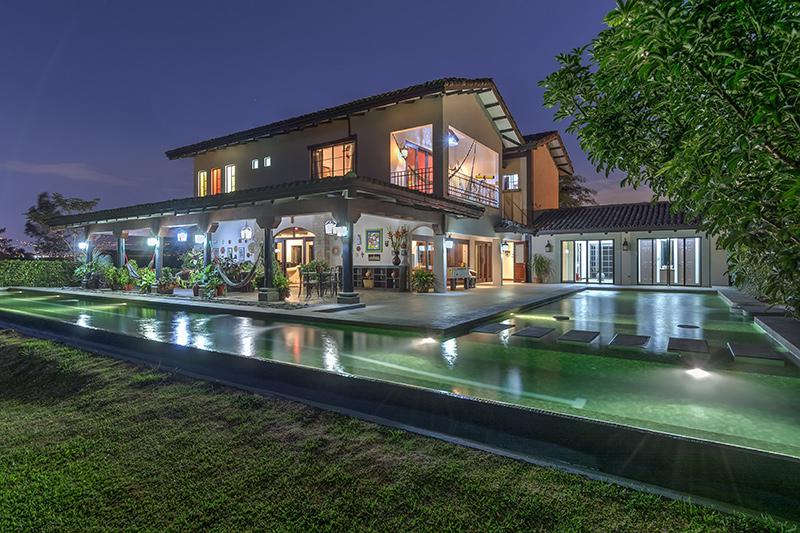
Open concept, tropical finishes, and a luxurious pool with sunset views to infinity.

Open concept, tropical finishes, and a luxurious pool with sunset views to infinity.

BUYING A HOUSE

Let’s start with the “Buying a House” strategy. If you are an investor looking to relocate to Costa Rica, you will need to find a property that either has a guest house/casita to rent or room to build one. These property owners can either rent to a tenant long term or to people on vacation typically on a weekly basis. The short term (e.g., weekly) rental strategy is more lucrative than finding a long term rental, but it’s also more work and your rental will suffer a bit more wear and tear.

Owners will quickly discover there are two roles that need to be filled—the property manager and the rental manager. Often, they are one in the same. The property manager deals with daily life on-site. They coordinate with the cleaning crew, the gardener, the pool service, the maintenance man, and everything else house related and local. The rental manager deals with the online listing across various vacation rental websites, the inquires (the most important component), booking reservations, receiving monies, and luxury services like a personal chef and a masseuse. They also arrange shuttle services and book excursions and tours (and subsequently receive referrals from tour operators). In the vacation rental game, extra income is always welcomed!

In some cases, like this luxury rental estate, the semi-retired owners live on-site and manage everything. For years now, they comfortably lived in one of the spacious studio casitas and aggressively marketed the main house as a luxury vacation rental. Their rental history is strong like their online reviews.

BUYING A CONDO

If your busy life only allows for two or three trips down to Costa Rica per year, then investing in a condominium makes a lot of sense. The benefits are many—prime locations, no need for a caretaker or house sitter, and just easier to manage. In addition, low property tax, common area expenses are shared among all of the owners in the development.

You can find nice condominium projects in popular tourist areas all along the Pacific Coast, but this new development on the Costa Ballena is setting a new standard. Our clients are impressed with the luxury finishes, quality amenities and just steps from Playa Ballena, one of the nicest beaches in Costa Rica. If you don’t feel comfortable on dirt roads, this project has easy two-wheeled drive access. Guards are present 24/7 at the gate, and this element is a benefit for you and your rental guests. On-site management with a multi-layered rental program. In fact, we recently had clients focused on houses switched to one of these three-bedroom condominiums because of the aforementioned benefits.

Tucked in the Costa Ballena jungle, steps to an idyllic beach, and amenities galore!

Tucked in the Costa Ballena jungle, steps to an idyllic beach, and amenities galore!

CONCLUSION

Foreigners have the same ownership right for titled land as native Costa Ricans. Property taxes are low, and there is no capital gains tax. If you’re planning on relocating to Costa Rica, buying a house with an extra rental unit is a smart strategy. If you will only be able to enjoy it a couple of times per year, then a condominium may be a better fit as an income-producing investment.

In most coastal areas of Costa Rica, the vacation rental market is strong and getting stronger. The beach areas of Guanacaste (e.g., Tamarindo) have long been tourist destinations, but if you want to invest early in the development cycle … the southern Pacific zone is worth exploring. Especially when you consider there are no large, all-inclusive hotels on the Costa Ballena to compete with your rental.

Costa Rica real estate is heating up and global economic downturn continues to fade in the rear view mirror. Pura vida.


Jaco Surf Modern Paradise!

Jaco Surf Modern Paradise!

December 7, 2016

Properties in Costa Rica

Costa Rica biggest Surf Town Jaco Beach is located in Garabito, the youngest county in Costa Rica, it is a black volcanic sand beach.

If you thinking about visiting Jaco let me fill you in with some local knowledge; first of all know your level of surfing!

The beach of Jaco is 4 kilometers long and has three mayor surfing spots:

– South of Jaco is a very well-knowing area for learning how to surf, this part of the beach is where the majority of surf schools go to. This area presents approximately a 19° – 22° angle from the beach to the shore break, providing long easy right and left hand breaks. So if you are in the beginner stage or use a long board or boogie board, I highly recommend this area (this spot extends from Madrigal’s street to Hidalgo’s street). Given that this area of the beach has the easiest waves and safer spot for kids on their first steps as surfers. Prime time to surf 2 hours before high tide.

– Center of Jaco, this area extends from Hidalgo’s street to Bohio’s street. This part of the beach has two river mouths; Corey river and Quebrada Seca river and presents a 22°-30° angle from the beach to the shore break, this combination of steeper beach angle and two river mouths running into the ocean makes it a more challenging wave for intermediate to advanced surfers. It’s common to see some of the professional surfers as well as the Costa Rican champions training on this area of the beach. This is the closest area of all town amenities such restaurants, surf shops, stores, medical services, banks, bars and much more, making it a convenience spot after surf sessions. Prime time to surf 2.5 hours before high tide.

– North of Jaco, this part of the beach runs from the Bohio’s street to Estero’s street this area presents a 30°-40° angle from the beach to the shore break, this area is the most expose part of the beach to the swells directions and also a very steep beach angle produces a faster more aggressive wave. This spot is where the biggest surf competitions were held such; ISA World Championship 2016 / Central America Championship 2016 / National Costa Rica Championship Circuit 2015 & 2016 / ALAS Pro Latin Tour 2014. If you like fishing, on the north corner on this spot there are some schools showing up at the shore during; September, October and November. Prime time to surf 2.5 hours before high tide.

The north area it has been growing faster over the last 2 years with important developments such Croc’s Casino and Resort recently awarded as the finest build construction, you can also find nice accommodations at Bahía Encantada Condominiums, Aqua Residence and Best Western Jaco Beach which is the first beach Hotel in Costa Rica since 1976.

Come and surf with us and don’t forget to say Pura Vida!

Alvaro Solano,
Properties in Costa Rica Team

Surfing 2


How to Travel to Costa Rica on a Small Budget

How to Travel to Costa Rica on a Small Budget

December 6, 2016

Properties in Costa Rica

Costa Rica is well known as an expensive country compared with others in Central America and even with the United States and Europe. However, traveling to Costa Rica can be 100% worth it if you are able to manage your expenses. This is made possible by keeping yourself organized in terms of lodging, transportation, dining, and avoiding guided tours by visiting places and attractions by yourself.

At the moment of looking for a place to stay, the best option for you is to rent a room for a short-term if you are coming by yourself, on the other hand, if you are coming in a big group the best option is to search for a multi room property for short-term. There are many options to choose from.

Travel method inside San Jose and its surroundings

You can reach Costa Rica by airplane, by car/bus or even by ferry. The main airport in Costa Rica is the Juan Santamaría International airport located in the city of Alajuela about 10-15 min from San Jose. The cheapest option for you to go to San Jose, Heredia, Alajuela or any other places from the airport is by bus. Prices normally start around $1, the bus stop is just in front of the airport and it is convenient as well as comfortable. Once in San Jose transferring to other buses is really easy. You won’t get lost but if you do you only need to get off the bus and cross the street and take another bus to your destination. If you don’t like buses the other economic way to travel is by taking UBER, and drivers are friendly and usually take no more than 5 minutes to reach your location.

If you are planning to go to other cities in Costa Rica you can go to the bus terminal and you will find several buses that will go to every destination in Costa Rica. Being a small country, the bus takes you from San Jose to the border of Nicaragua in only 2-3 hours, from San Jose to Jaco (on the pacific ocean) only 2 hours, and prices are cheap. It can cost you around $30 to the border and $5 to Jaco.

Sightseeing and the weather in Costa Rica

There are many gorgeous things to see in Costa Rica that you will enjoy. Costa Rica is well known as a natural place to visit. My favorites are National Parks. The government of Costa Rica protects a lot the nature.

The weather in San Jose is awesome, it is fresh, you can wear a simple t-shirt and you won’t feel warm or cold, you just will feel fresh. You can visit museum, volcanos, beaches (you can choose between going to the Pacific side or the Caribbean side). The cheapest way to get to these places is by bus, where prices start from $4 return. Prices for entrance to the places start from $7 to the volcanos, with some museum being free of charge.

People in Costa Rica and its Typical Food

People in Costa Rica are friendly, they will help you at every time when you need something. Most of the people here speak English, so if you don’t speak Spanish don’t worry, most of them will understand you at the time when you ask them for direction.

The typical food in Costa Rica it is called Casado, which contains rice, black beans, eggs, salad, and any meat of your preference such as chicken, beef and pork. It is delicious, and you can buy it for as low as $7. Costa Rica is famous for its delicious coffee. Eating in Costa Rica is not as expensive as in other countries, and the best thing here is that everything is fresh, sometimes completely organic, and delicious to eat. And it goes without saying that it is always hand crafted, so you actually will end up paying a good price.


Costa Rica’s Magical Dry and Wet Seasons

Costa Rica’s Magical Dry and Wet Seasons

November 24, 2016

Properties in Costa Rica

November and December mark the beginning of the dry season and the end of the wet season. Its when the snowbirds begin to flock to Costa Rica to escape the dismal weather back east and the country’s population peaks. Located in the northern hemisphere, Costa Rica is bordered by the Caribbean Sea on one side and the vast Pacific Ocean on the other. Costa Rica is known for it’s biodiversity, rich ecosystems and near perfect year round weather. This subtropical climate has two seasons: The wet season and the dry season.

From beaches to mountains to lush forests, the distinct climates create a rich country to explore. The average temperature is between 70-81 degrees Fahrenheit. The coolest months of the year are November, December and January while March through May represent the hottest months. During high season, Costa Rica experiences consistent sunny beautiful days. Coinciding with spring break, winter break and Christmas vacations back north, it’s considered the best time to visit. Many families pick this time of year to travel Costa Rica.

Dry Season represents the peak of the rental season. The streets bustle with visitors, the restaurants are full and reservations difficult to get in areas highly populated by expats. High season is also when rental properties command the highest price. It’s the time for fiestas, culture, mingling amidst buzzing towns with lots of activity and fun.

The dry season is also better for hiking and visibility especially in areas such as Corcovado National Park where the runoff from the rain makes hiking a very muddy experience. Scuba divers will also enjoy clearer water during the dry season and mountain climbers take in better views from the top. This season is optimal for outdoor activities. Visitors don’t have to schedule their day around the afternoon showers, which makes long treks more feasible during this time of year.

However, don’t dismiss the rainy season either. September and October are the height of whale watching and turtle watching. It’s also the peak season for foliage, which turns a lush green. Marking Costa Rica’s winter, everything is much quieter during this time of year. During the rainy season, life tones down a bit. Locals meander the streets, and enjoy the laid back pace of life. There are no crowds, and it’s much cheaper to travel during this time of year. Prices on just about everything are lower. Rain consists of a daily afternoon shower, which cools things off a bit. Many people find it to be a nice break from the constant sunshine. It provides a refuge. Rainy season is also when the foreign property owners tend to head down to Costa Rica for a break.

Both seasons offer advantages to the discerning traveler. For those looking to be in the center of the action, November through April are the peak months to travel to Costa Rica. People looking for a laid back atmosphere and good rates will find the rainy season optimal especially if you are planning to travel to tourist areas such as Tamarindo or Jaco.


5 Must Visit National Parks

5 Must Visit National Parks

November 19, 2016

Properties in Costa Rica

Rincón de la Vieja

Located right outside of the city of Liberia, Rincon de la Vieja is easily accessible for a day or few of nature exploration. The park encompasses three volcanoes, Rincon de la Vieja, Santa Maria and the dormant Cerro Von Seebach. Hiking to the different waterfalls, mud pots, or hot springs you’ll spot a number of the over 300 species of birds. The area is also home to cougars, monkeys, kinkajous, jaguars, and many others.

Isla del Coco

Isla del Coco, with a coastline of 14 miles, is the largest uninhabited island in the world. You may even recognize it from the opening scene of Jurassic Park. Nearly 360 miles off the coast this secluded National Park is a sight to be seen. Due to its remote location only hundreds of people have visited the island. With 200 waterfalls and around 60 species that are unique to the island, this hidden paradise is a must see for nature enthusiasts.

Tortuguero

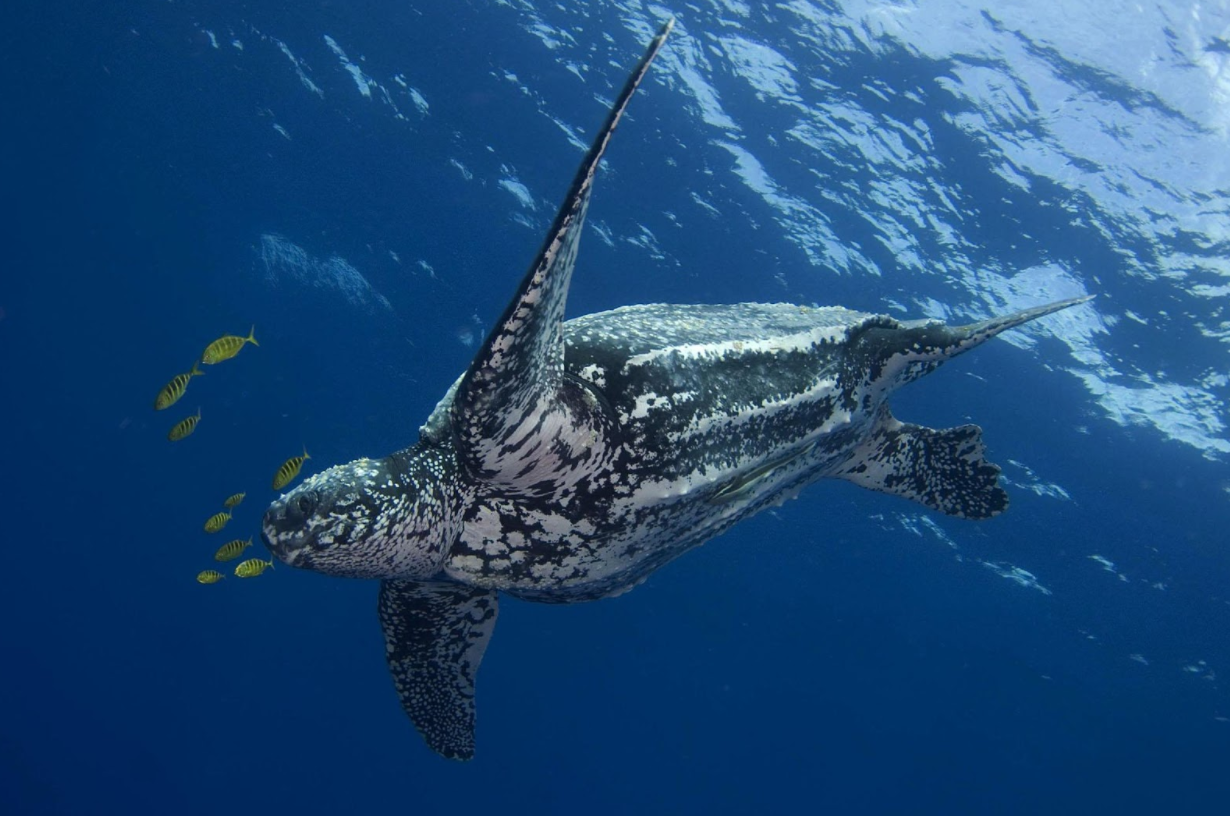
Located in the Limon Province of the country, Tortuguero. Despite its remote location, it is the third-most visited park in Costa Rica, reached only by airplane or boat. The tropical climate park has a large variety of biological diversity with eleven different habitats, including rainforest, mangrove forests, swamps, beaches, and lagoons. The main attraction of the park is the turtles! Green sea turtles, leatherbacks, and hawksbill all lay their eggs here. Whether its watching the eggs be laid or seeing the baby turtles emerged an scuttle down to the water you will surely be mesmerized.

Corcovado

Corcovado National Park is Central America’s largest lowland Pacific rainforest containing
13 major ecosystems. These include the lowland rain forest, highland cloud forest, jolillo palm forest, and mangrove swamps, as well as coastal marine and beach habitats. It’s the most important sanctuary of biological diversity and endangered wildlife in the country, and one of the most important in the world. Five hundred species of trees, more than 6,000 kinds of insects, almost 400 species of birds, plus frogs, butterflies, and many of the world’s most endangered and spectacular mammals, including tapirs and jaguars, live in this place.

Arenal

Arenal Volcano National Park is home to incredible hiking, magnificent views, abounding wildlife and one of the world’s most active volcano. Hiking and horseback riding tours allow you to get up close and personal with this incredible area that extends into eight different life zones.
Of the 850 total species of birds identified in Costa Rica nearly all can be found inhabiting the area. Also keep your eyes peeled for the white-faced monkeys, jaguars, deer, coatis, toucans and snakes. In Arenal you experience hot springs, rappelling, waterfalls, volcano hiking, a modern tico town with delicious food and much, much more.

1 Comment


A Traditional Taste: Olla de Carne

A Traditional Taste: Olla de Carne

November 18, 2016

Properties in Costa Rica

Olla de carne is a hearty beef stew that is typically prepared on weekends both in homes and in many local sodas. The stew combines a number of locally grown ingredients to help provide its rich taste, including cassava, carrots, corn, plantains and taro roots. Olla de carne often features larger vegetables like potatoes as well to provide an extra hearth to what is already a savory stew.

Ingredients

  • 8 cups water
  • 1 lb lean beef, cut into 3-4 inch pieces
  • 1 lb lean beef short ribs, cut into 3-4-inch pieces
  • 1 cup potato, cut into bite-sized pieces
  • 1 lb cassava, peeled and cut into bite-sized pieces
  • 1 lb carrots, chopped
  • 5 corn on the cob, cut into 3-inch pieces
  • 1 lb taro roots, peeled and cut into bite-sized pieces
  • 1 lb sweet potato, cut into bite-sized pieces
  • 3 green plantains, peeled and cut into 3-inch pieces
  • Salt to taste

Directions

Heat water in a saucepan over medium high. Add salt, lean beef, and short ribs and cook for 20 minutes. Add carrots, cobs, green plantains, and cassava. Wait five minutes and add the taro roots, potatoes, and sweet potatoes. Cover and cook for 25 minutes on high medium heat until vegetables and roots are cooked. Serve hot with a bowl of rice.


Google+ Facebook Linkedin Youtube Twitter Blog Instagram